Cost & ROI
What Is Capital Expenditure in Plastics Machinery
Capital expenditure covers major machinery investments like injection molders and extruders. It differs from routine operating costs. This distinction ensures accurate

Analyze initial investment, operating costs, and return on investment calculations to evaluate machinery purchasing decisions.
Capital expenditure covers major machinery investments like injection molders and extruders. It differs from routine operating costs. This distinction ensures accurate
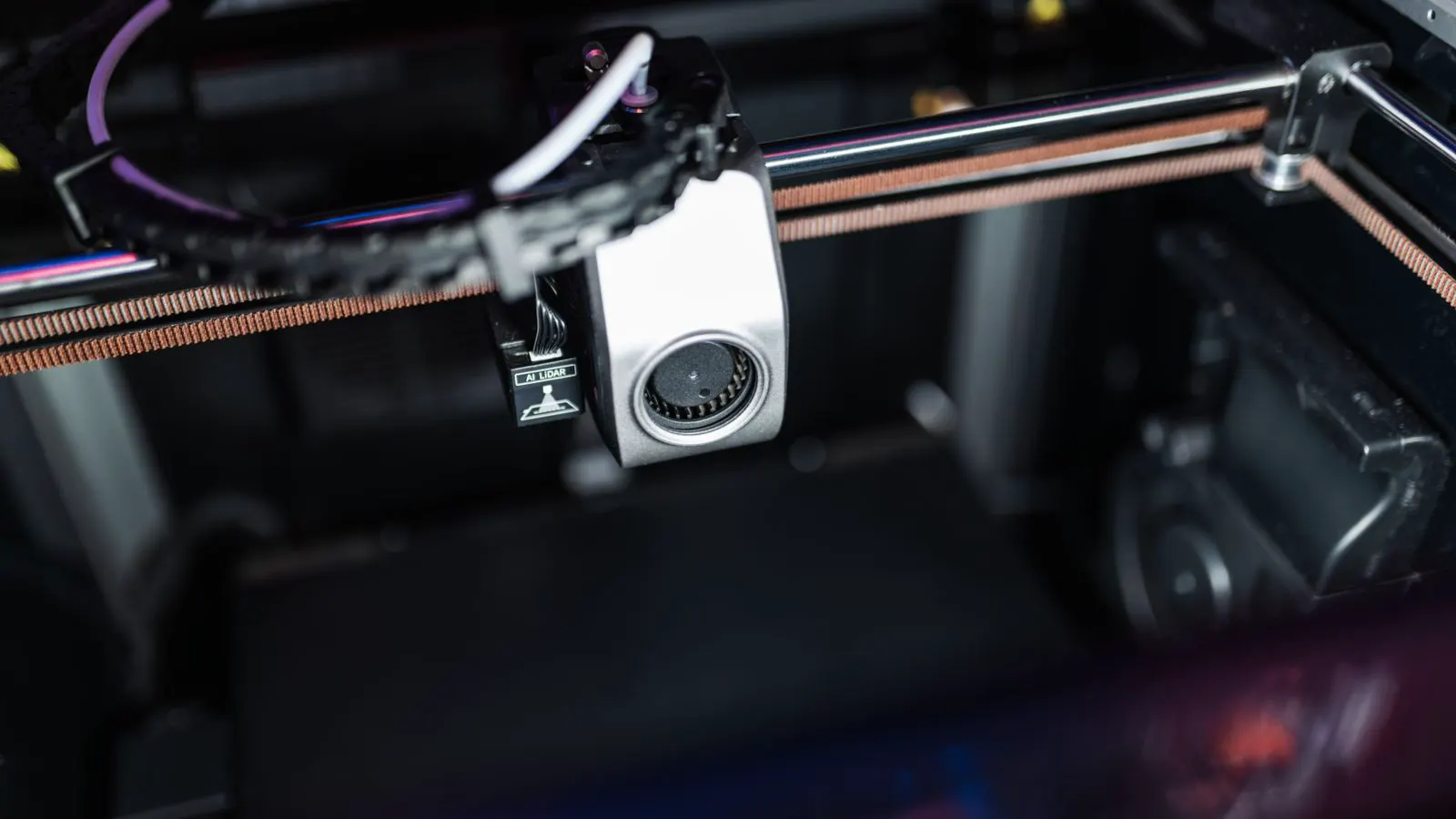
Electric injection molders usually offer better long-term return on investment through lower energy costs and maintenance, while hydraulic units suit high-volume
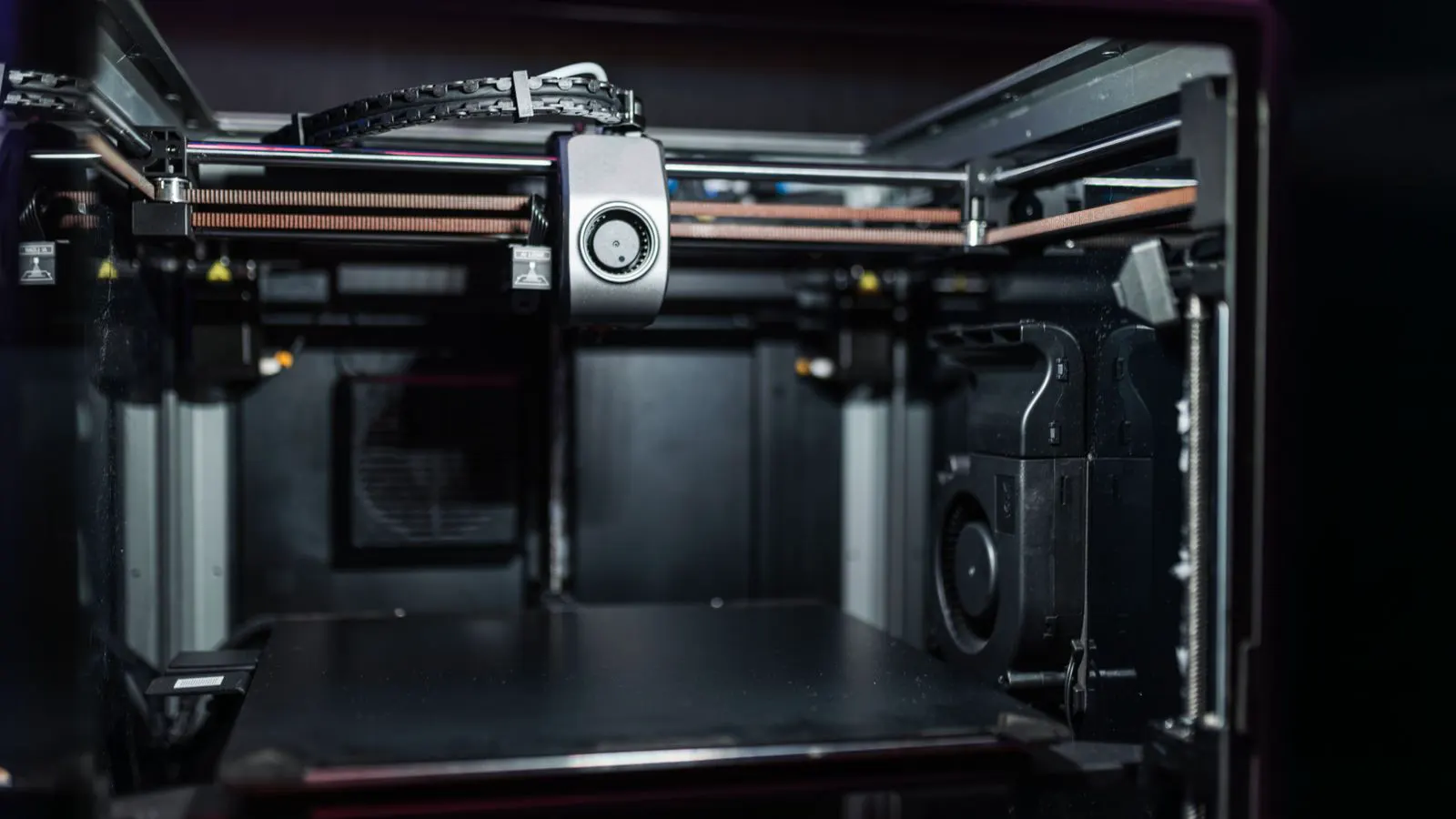
Servo upgrades in extrusion lines cost more upfront but improve energy efficiency and control. Lead times vary by scope, from weeks for standard kits to months for

High energy use in injection machines often stems from worn components, inefficient cycles, or poor maintenance. This guide lists common symptoms, likely causes, and
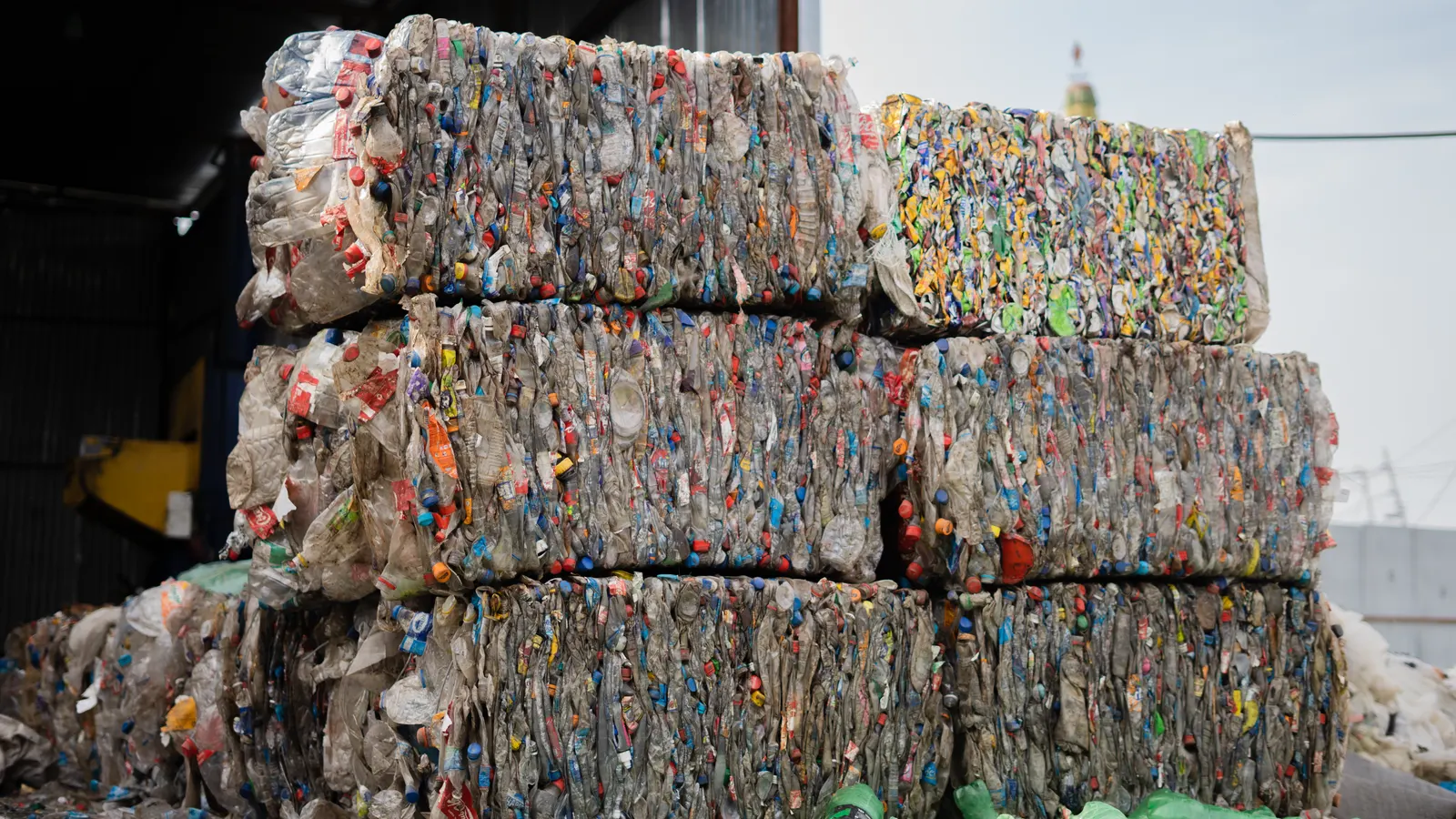
The blow molding process converts molten polymer into hollow shapes using heat, pressure, and cooling. Understanding the paraffin extrusion, molding, and cooling stages
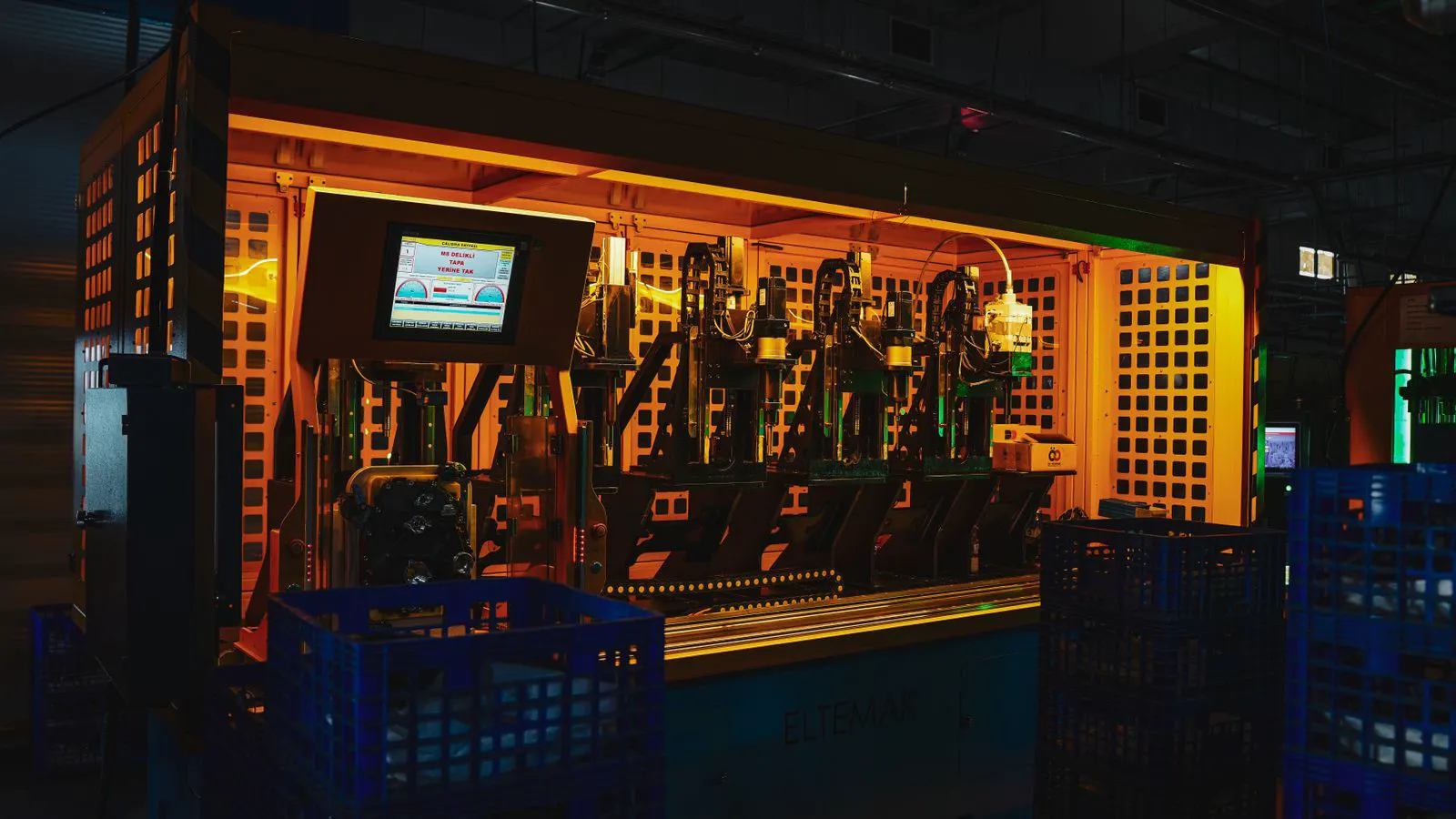
Choose between servo and motor systems based on cycle speed, energy needs, and part complexity. Servo drives offer precise control and lower energy use. Standard motors
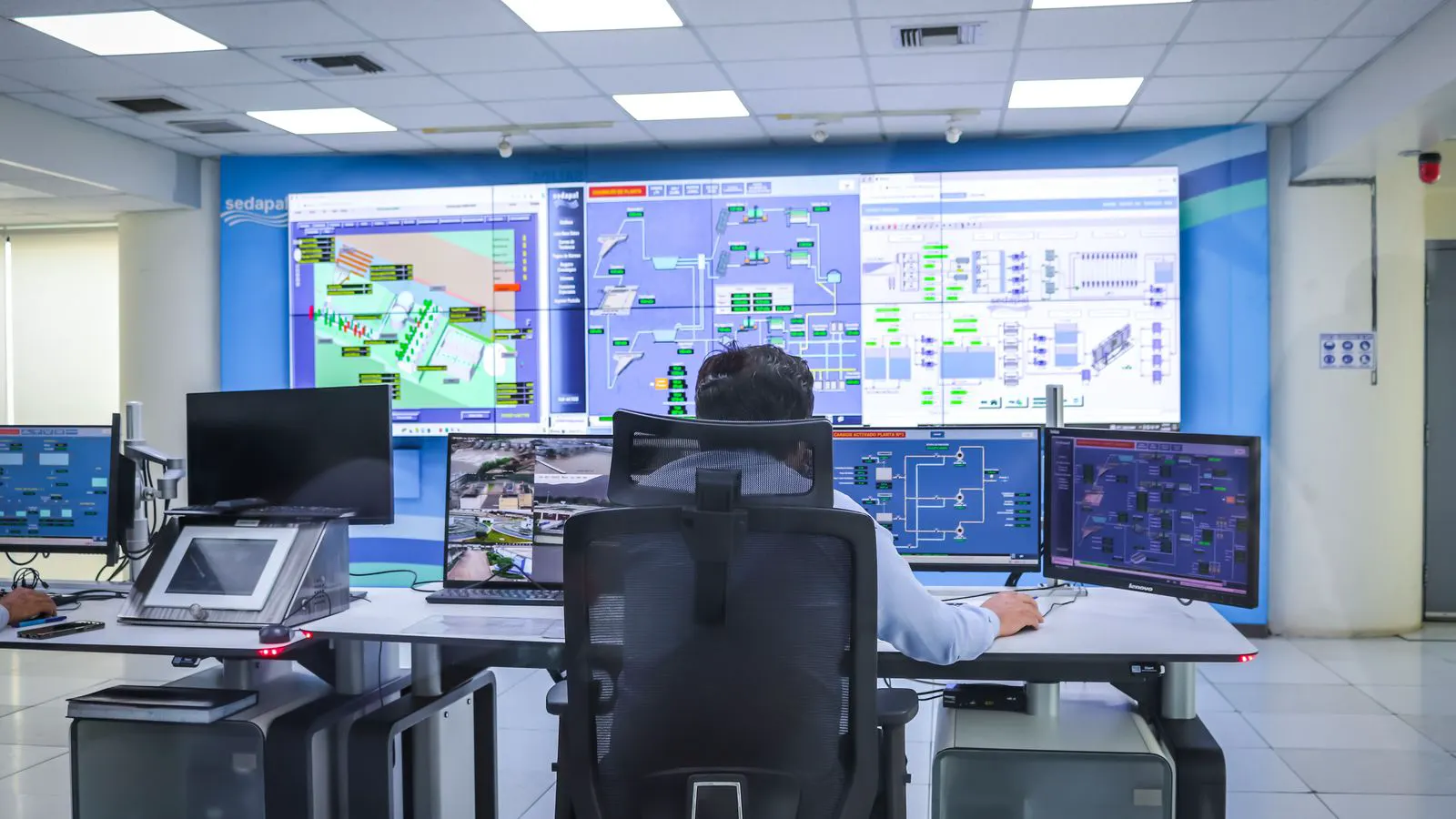
This guide outlines the key shifts in blow molding technology. It covers automation, digital controls, and data systems. It provides practical advice for buyers
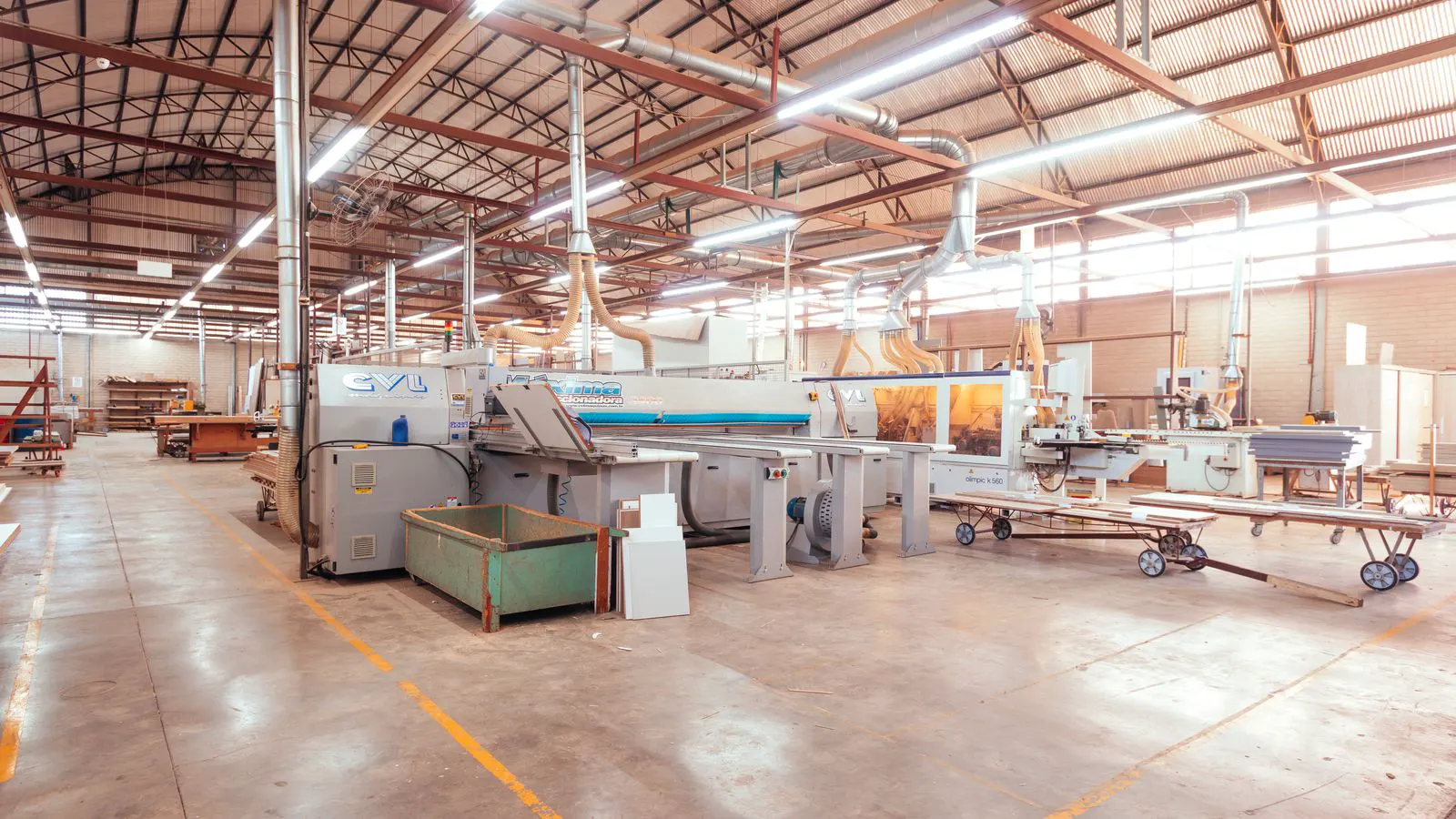
Blow molding delivery depends on factory capacity, mold tooling, and shipping routes. Standard machines move faster than custom builds. A clear RFQ and early freight
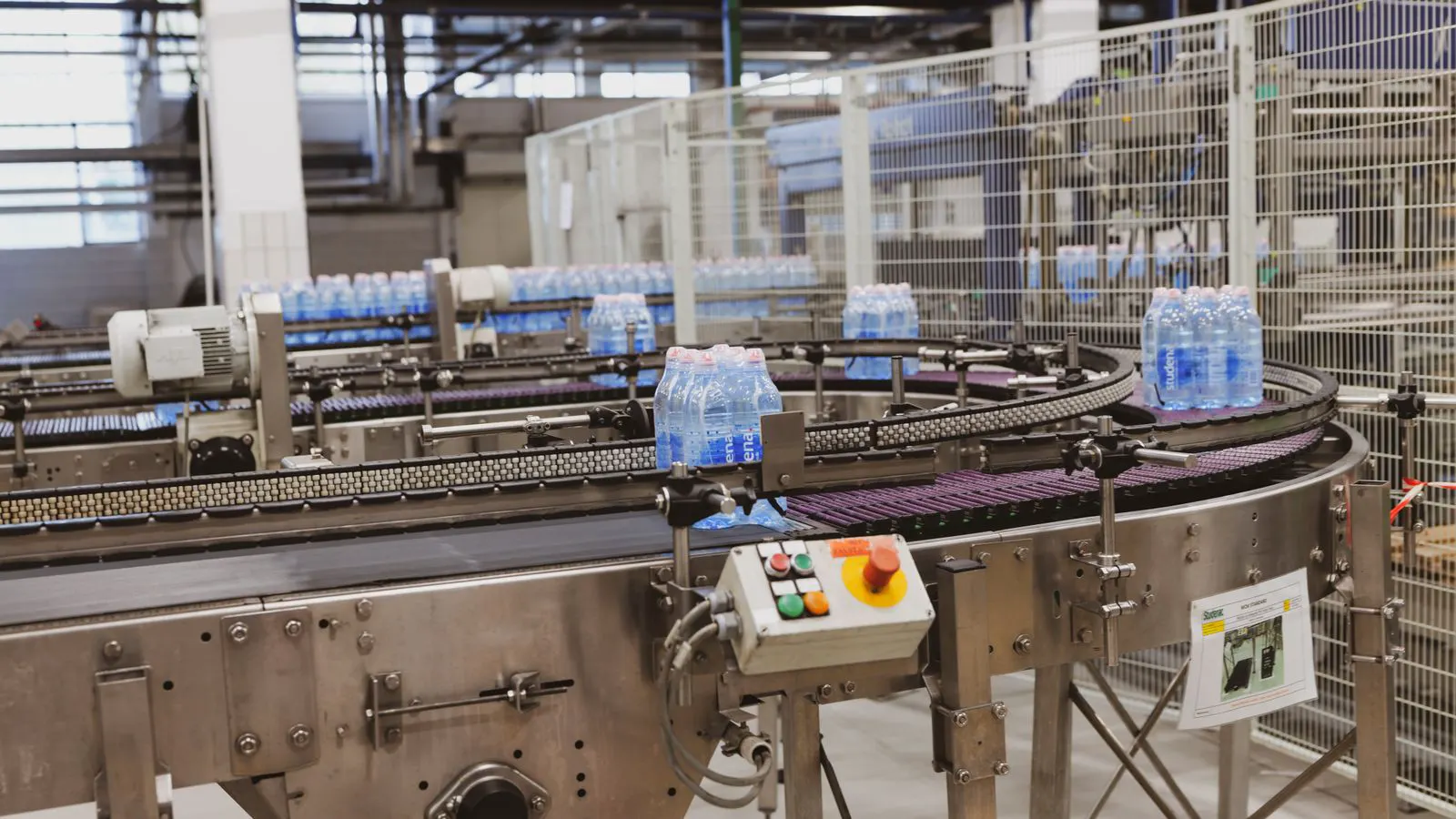
Single cavity machines offer lower startup costs and flexibility for varied products. Multi-cavity machines increase throughput and reduce per-unit labor. The right
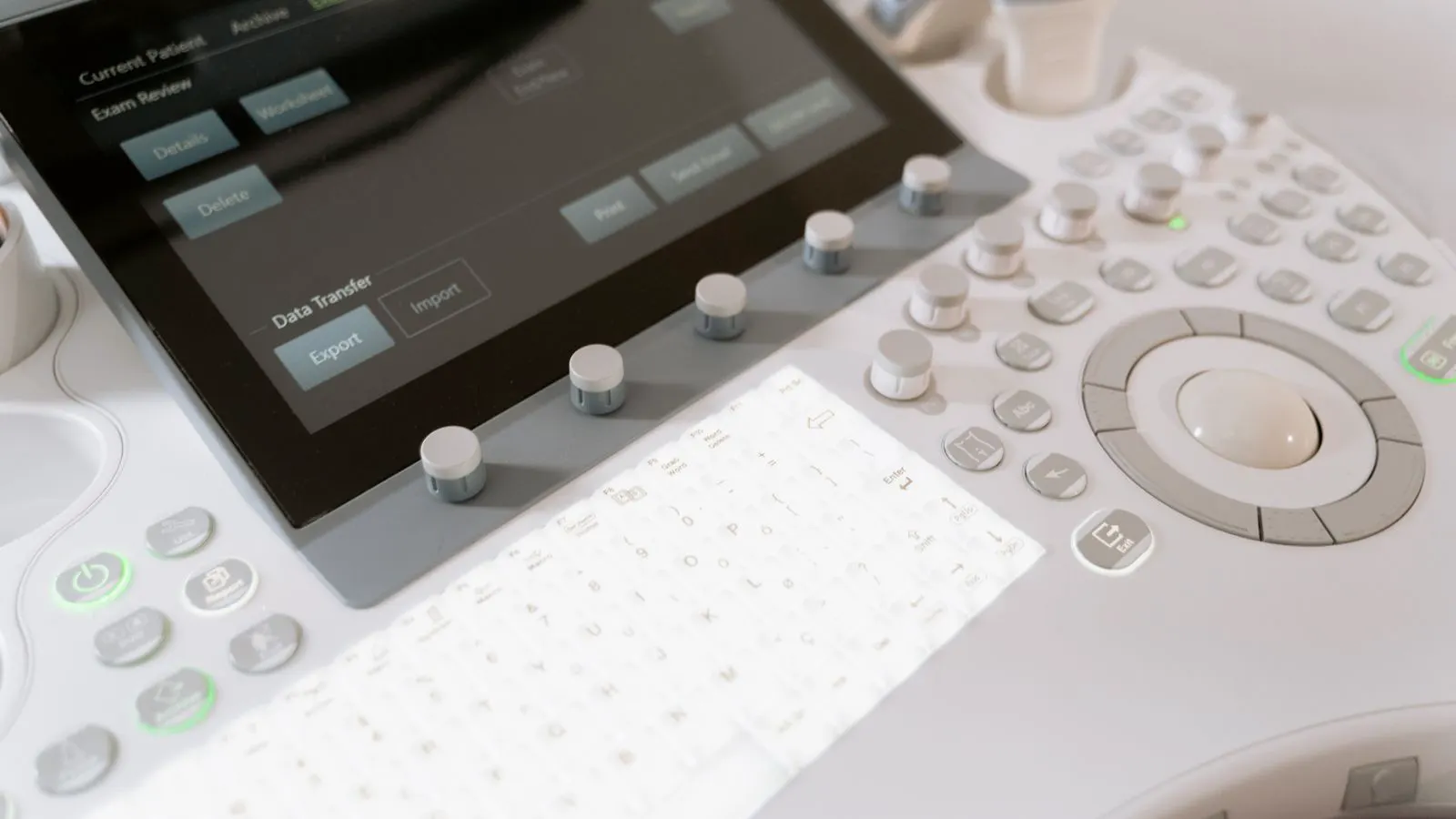
Lower blow molding energy by auditing cycle time, tuning heater zones, optimizing mold temperature, and reducing idle heat. These steps target the biggest power draws
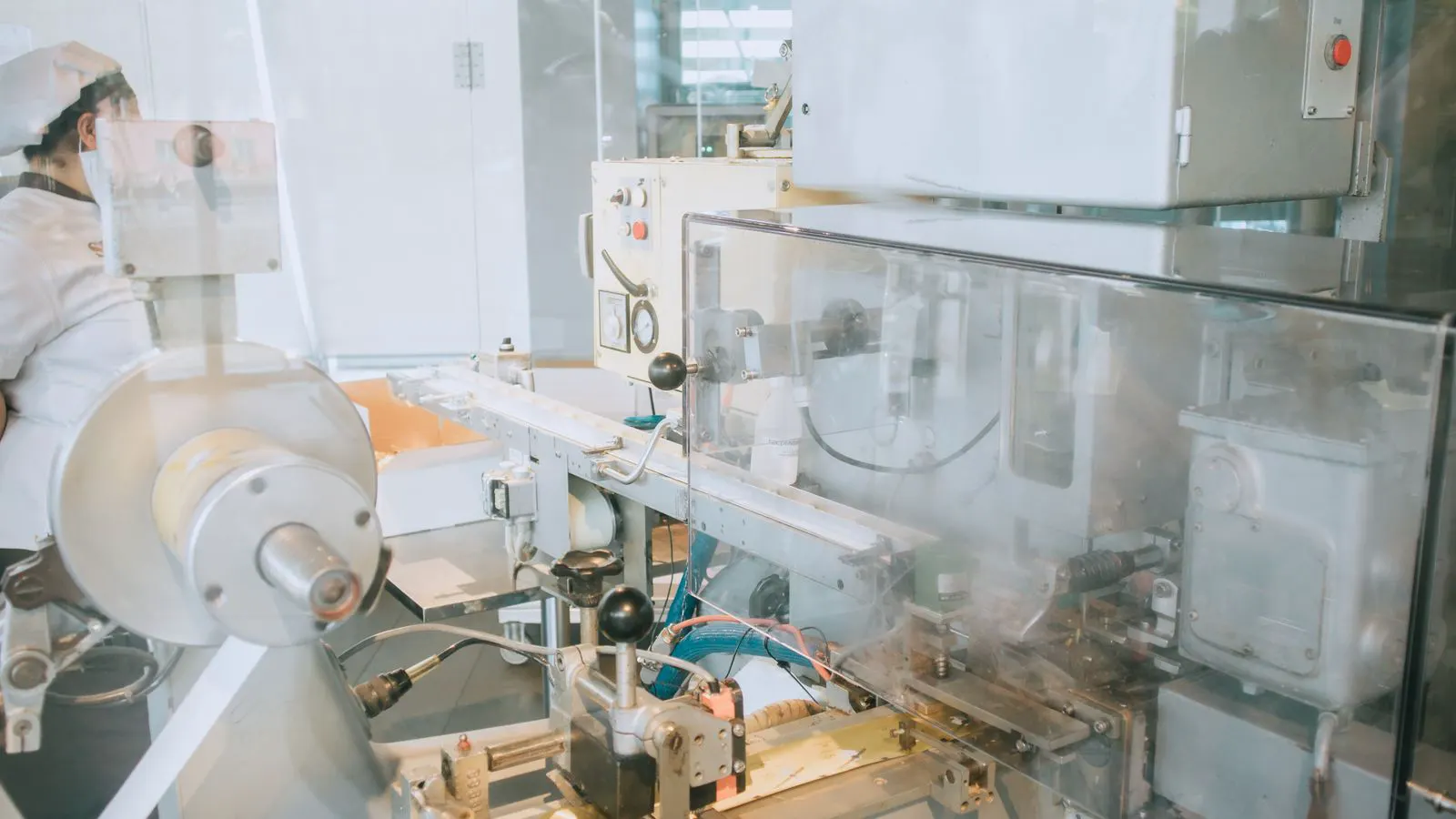
A systematic pre-startup checklist for blow molding startup ensures machine readiness. This guide covers mechanical, pneumatic, and process verification steps to prevent
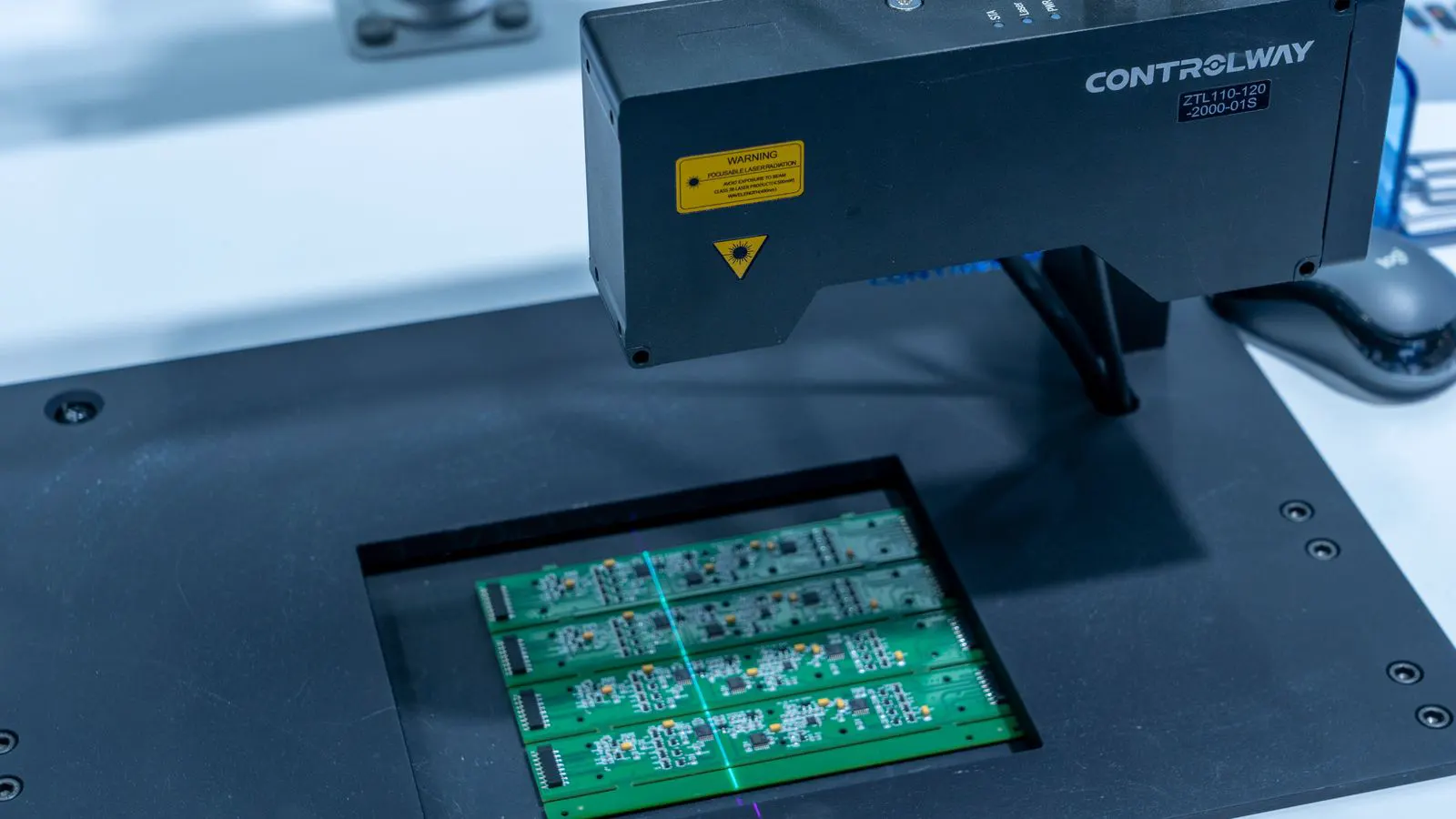
Thin wall defects in blow molding usually stem from uneven cooling, incorrect pressure, or material issues. This guide lists common symptoms, likely causes, and fixes in