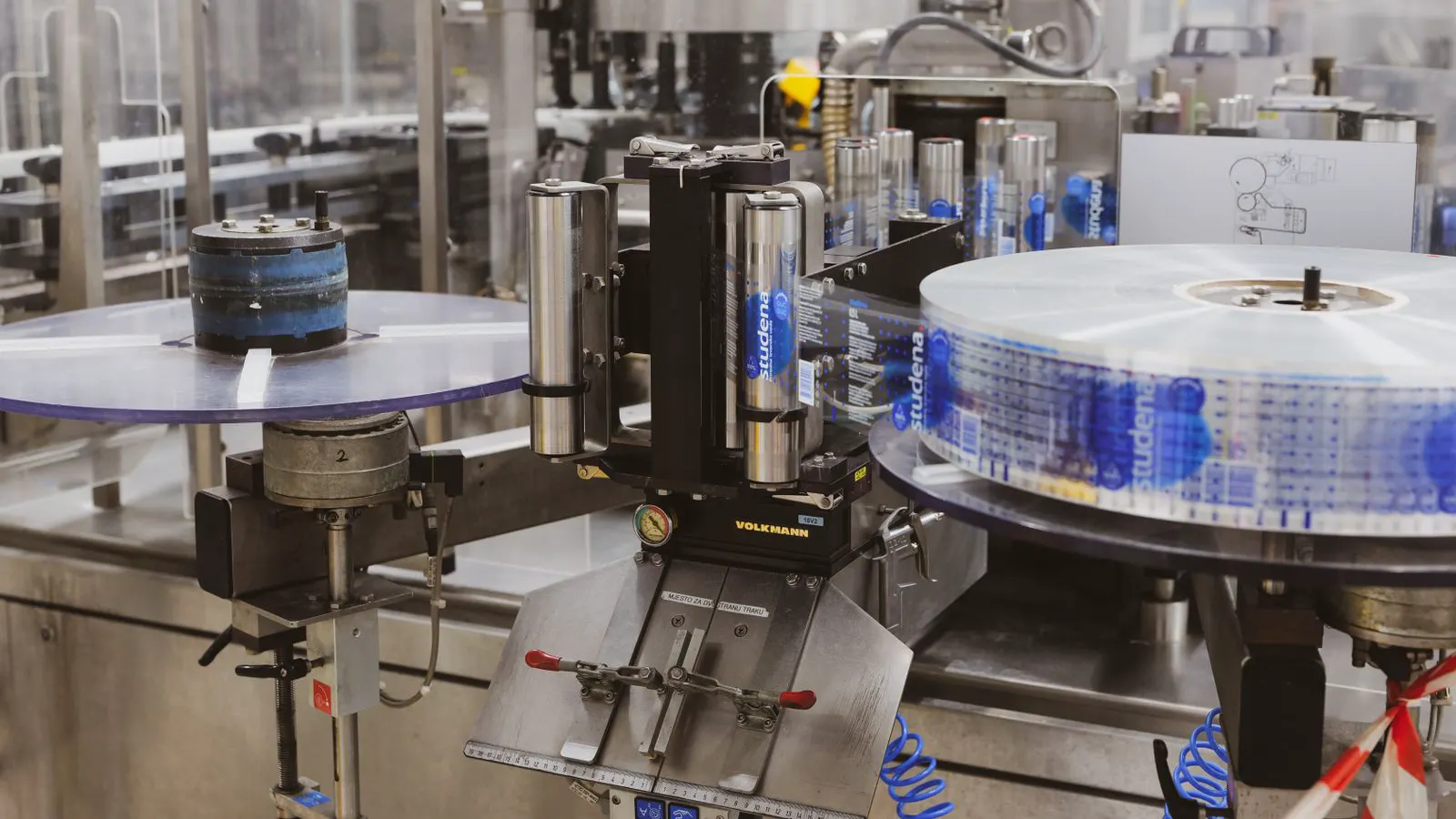
Blow Molding Machines
Troubleshooting: Fixing Blow Molder Necking and Wall Defects
Blow molder defects often stem from preform stretch, mold temperature, or gas pressure. This guide lists common symptoms, root causes, and specific fixes to restore wall
Nov 16, 2026 · 6 min read
Blow Molding Machines
Comparison: Single-Head vs Twin-Head Blow Molder Speed
Single-head units offer simple setup and lower capital cost. Twin-head machines double cycle count per hour when preform supply and cooling are matched. Engineers must
Nov 15, 2026 · 6 min read
Blow Molding Machines
Checklist: Verifying Preform Quality Before Blow Molding
This guide provides a practical checklist for verifying preform quality before blow molding. It covers inspection points, setup checks, and red flags that indicate
Nov 14, 2026 · 9 min read
Choosing a Supplier
How to Compare Global vs Local Machinery Vendors
Importers can compare global and local machinery vendors by evaluating total cost of ownership, technical fit, service access, and supply chain risk. A structured review
Nov 13, 2026 · 11 min read
Cost & ROI
What Is Machine Depreciation in Plastics Machinery
Machine depreciation tracks the gradual loss in value of plastics machinery over time. It affects asset valuation, resale value, and cash flow. Understanding this helps
Nov 13, 2026 · 15 min read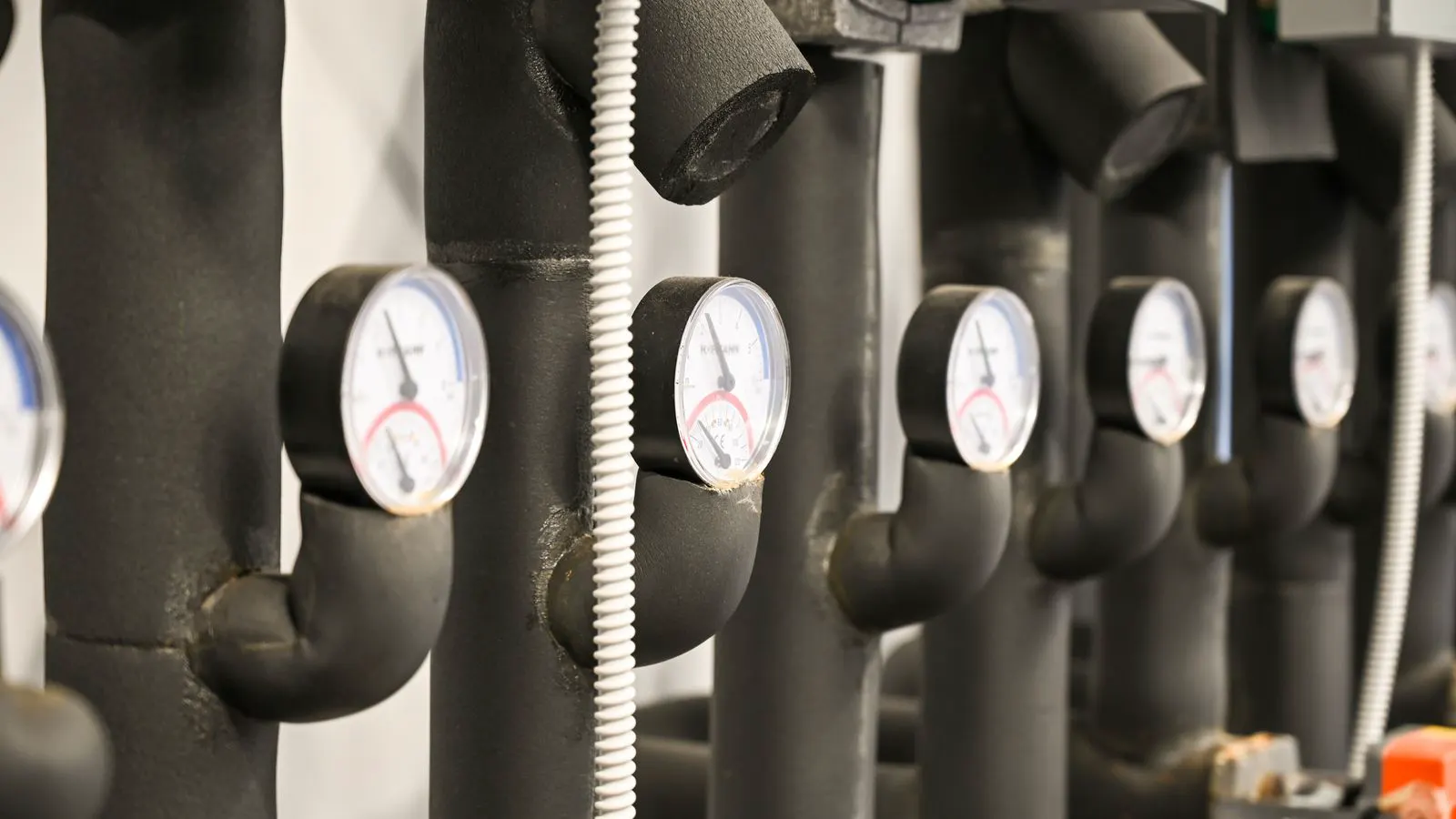
Energy Efficiency
Cost and Lead Time: Installing Heat Exchangers for Coolers
Adding heat recovery to cooling loops requires careful planning to control cost and lead time. Factors like pipe materials, pump upgrades, and site access shape the
Nov 10, 2026 · 7 min read
Extruders
Troubleshooting: Fixing Melt Pressure Fluctuations in Profile Extrusion Lines
Melt pressure fluctuations cause profile dimensional drift and surface defects. Diagnose them by checking feed, barrel temperatures, die back pressure, and screw speed.
Nov 9, 2026 · 6 min read
Choosing a Supplier
Troubleshooting: Fixing Intermittent Servo Drive Errors
Intermittent servo drive errors on plastics machinery usually trace to loose wiring, encoder feedback issues, or parameter drift. Use a structured diagnostic approach to
Nov 8, 2026 · 11 min read
Energy Efficiency
Checklist: Verifying Energy Metrics for New Extrusion Lines
This checklist helps buyers verify energy efficiency metrics for new extrusion lines. It covers specific energy consumption, utility audit data, and red flags to check
Nov 7, 2026 · 8 min read