
Energy Efficiency
Buyers Guide: Servo Drives for Energy Savings
Servo drives lower energy savings by matching motor output to actual load. This guide covers evaluation criteria, efficiency checks, and selection steps for extrusion
Discover methods and technologies to reduce energy consumption and improve sustainability in plastics manufacturing operations.
Servo drives lower energy savings by matching motor output to actual load. This guide covers evaluation criteria, efficiency checks, and selection steps for extrusion
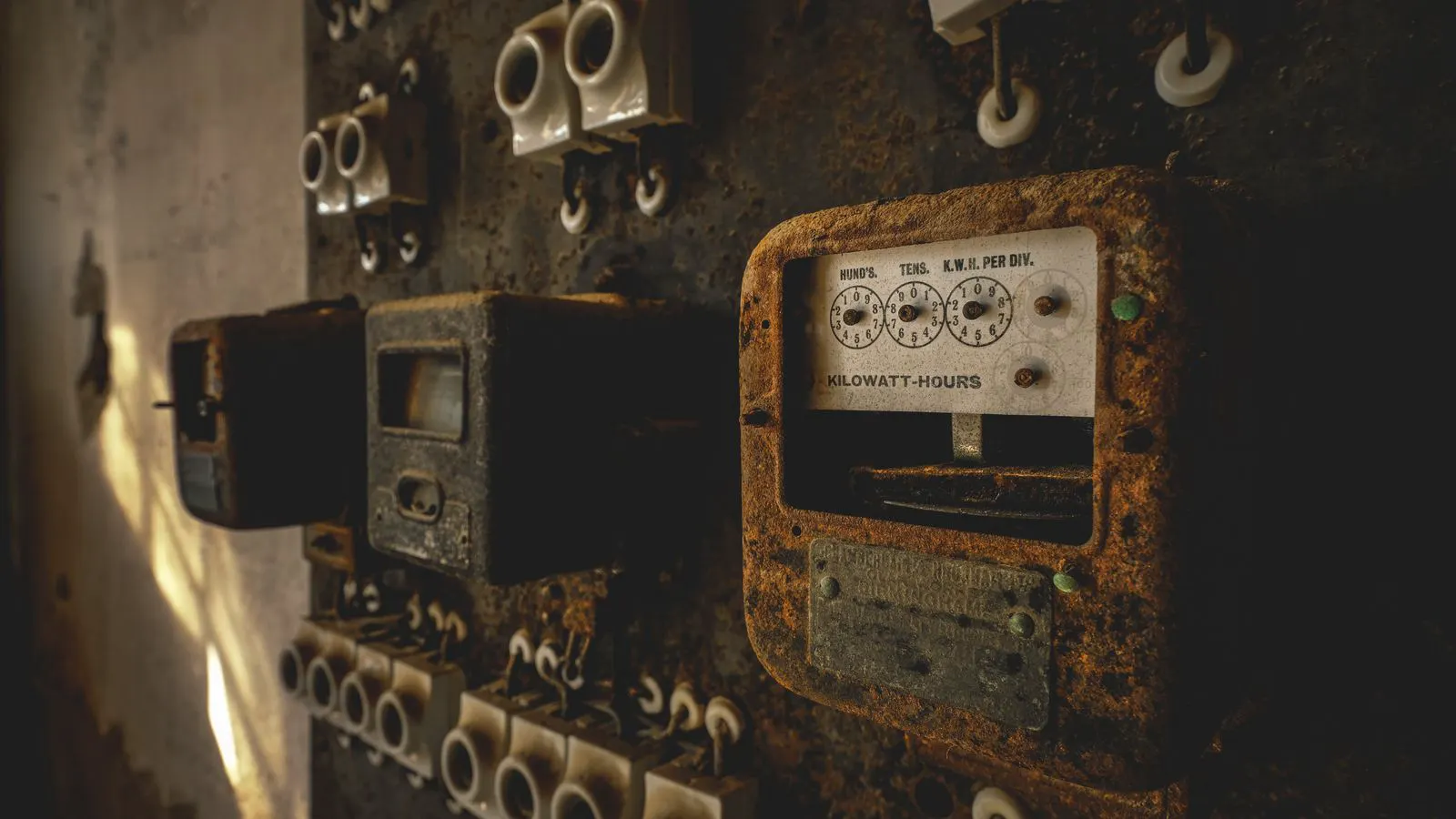
This audit checklist helps operators and engineers measure material drying performance, isolate heat losses, and identify energy savings in extrusion auxiliary systems.

Calculate kWh per kg by dividing total energy consumption in kilowatt-hours by total output mass in kilograms. This method requires accurate metering, stable production

Track specific energy consumption in molding by measuring kWh per unit of production. Use sub-meters on main systems and divide by output to benchmark machines, identify
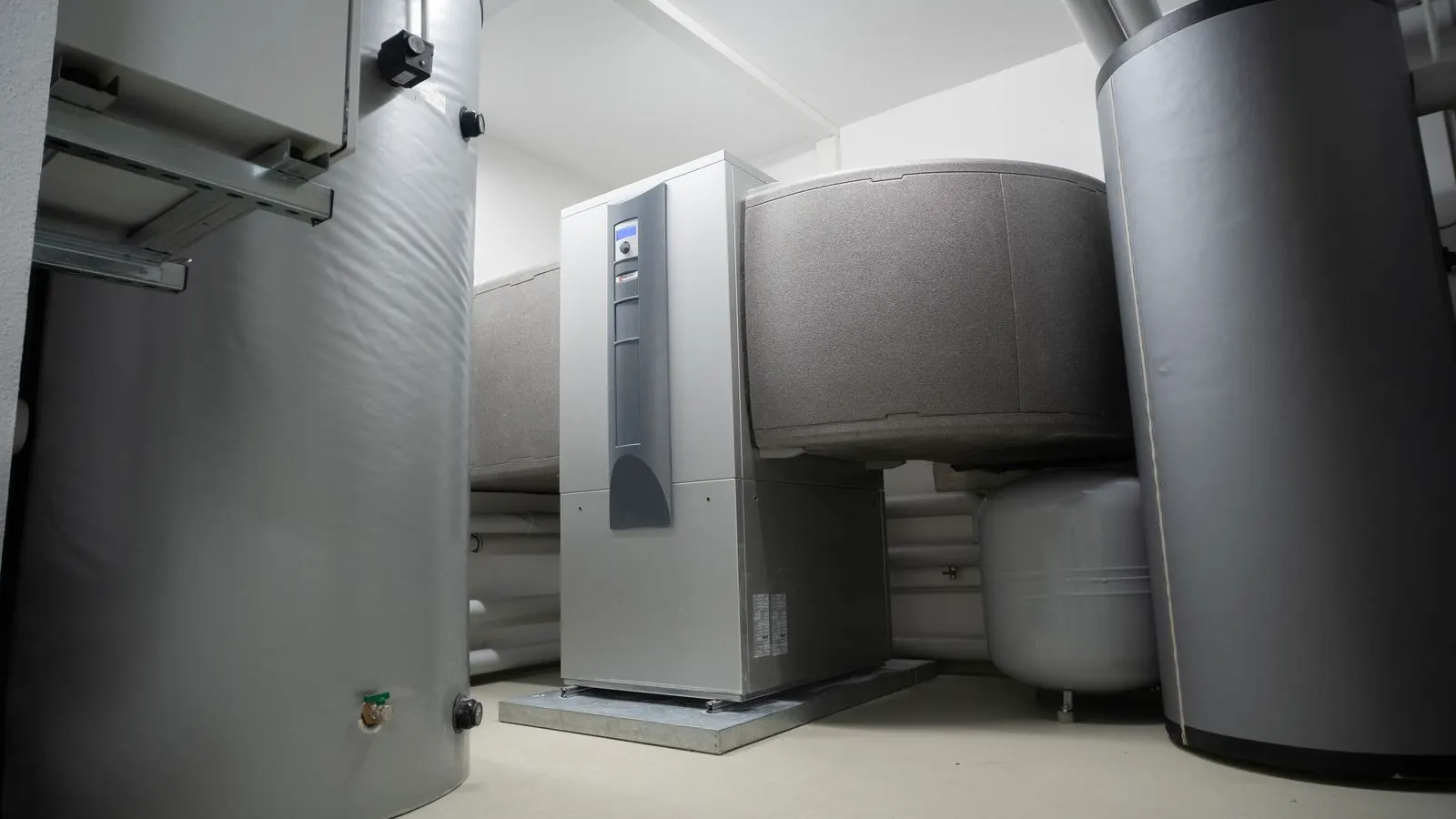
Match heat exchanger capacity to extruder throughput and melt temperature to prevent thermal degradation and reduce energy consumption. Proper sizing improves product

Hydraulic injection molders consuming more electricity than baseline usually stem from fluid leaks, worn components, or incorrect pressure settings. This guide outlines

Confirm expected energy savings by auditing servo drive specifications, power unit type, and consumption data. This checklist helps buyers verify technical claims

A plastics plant energy audit is a structured review of energy consumption across all processes. It identifies waste in heating, cooling, and drive systems. The audit
Adding heat recovery to extrusion involves capital costs for heat exchangers, piping, and controls, plus labor for integration. Lead times vary by complexity.

High motor power draw in extrusion usually indicates increased mechanical load or electrical inefficiency. Common causes include worn screw components, restricted melt
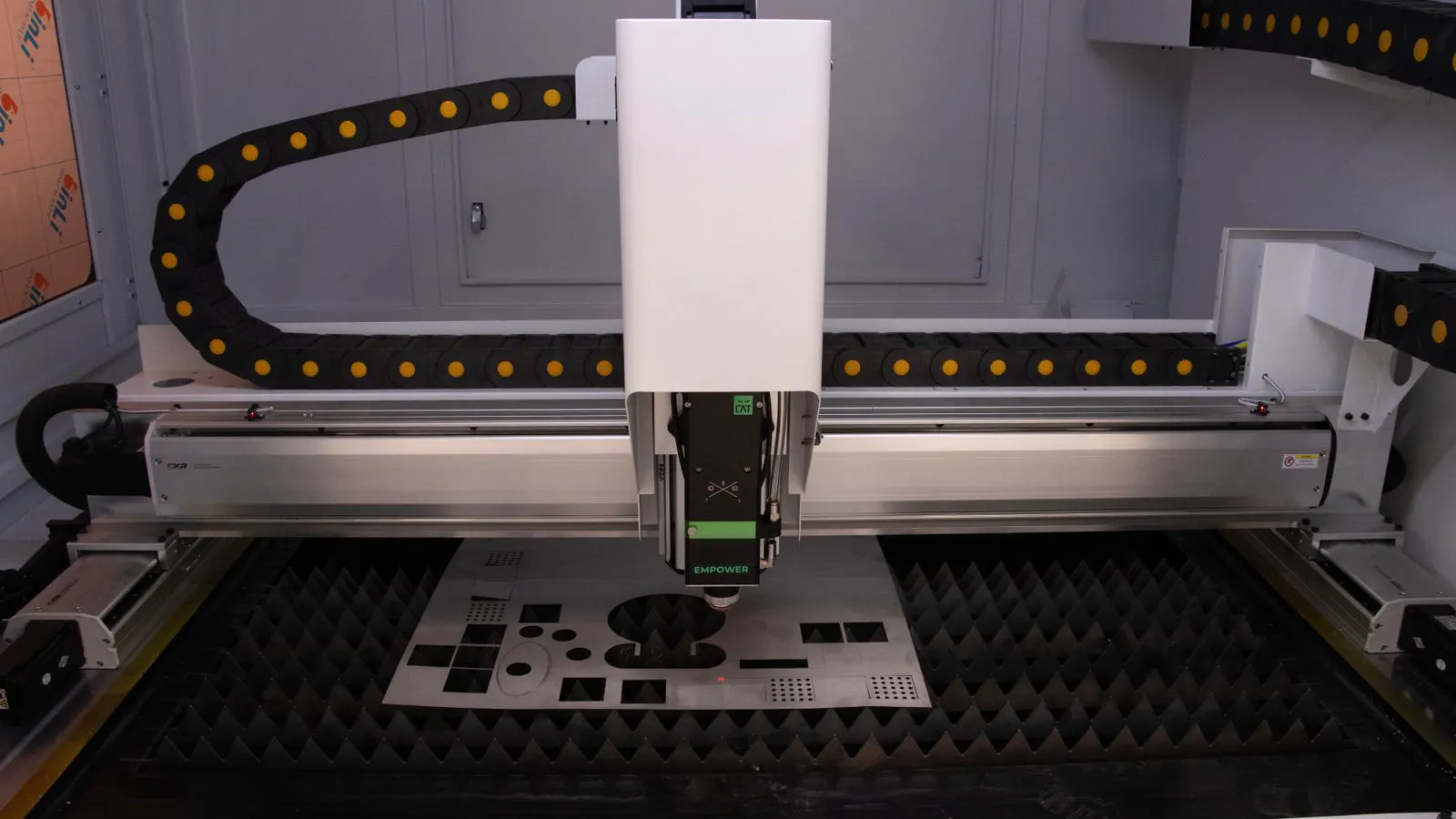
Procurement teams need a specific list of technical data points to evaluate the energy footprint of new injection moulders. This guide outlines the exact metrics to
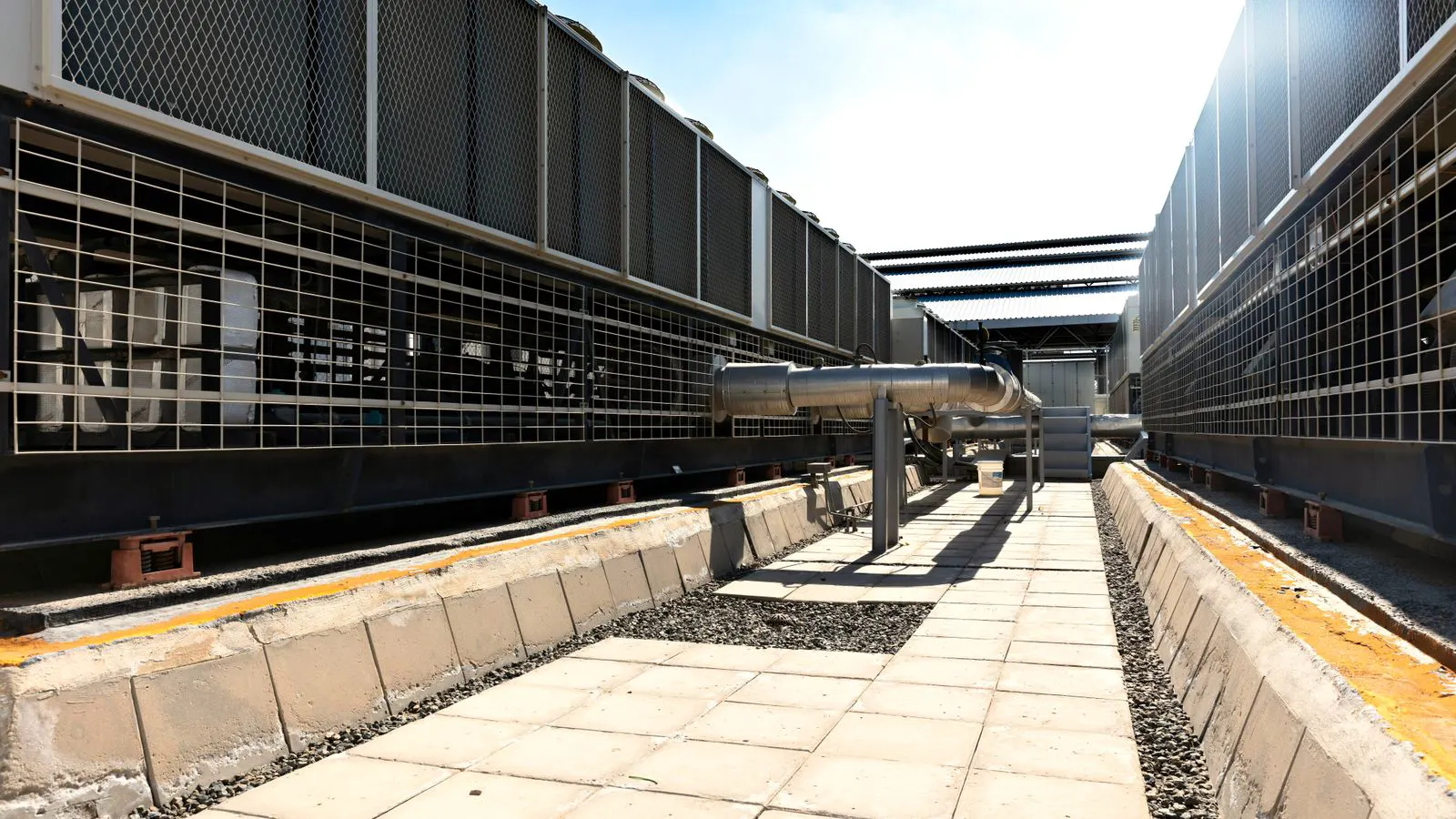
Air cooling reduces water consumption and pump energy but requires higher fan power, while water cooling offers superior heat transfer for high-output profiles. The