Air vs Water Cooling: Energy Impact in Extrusion
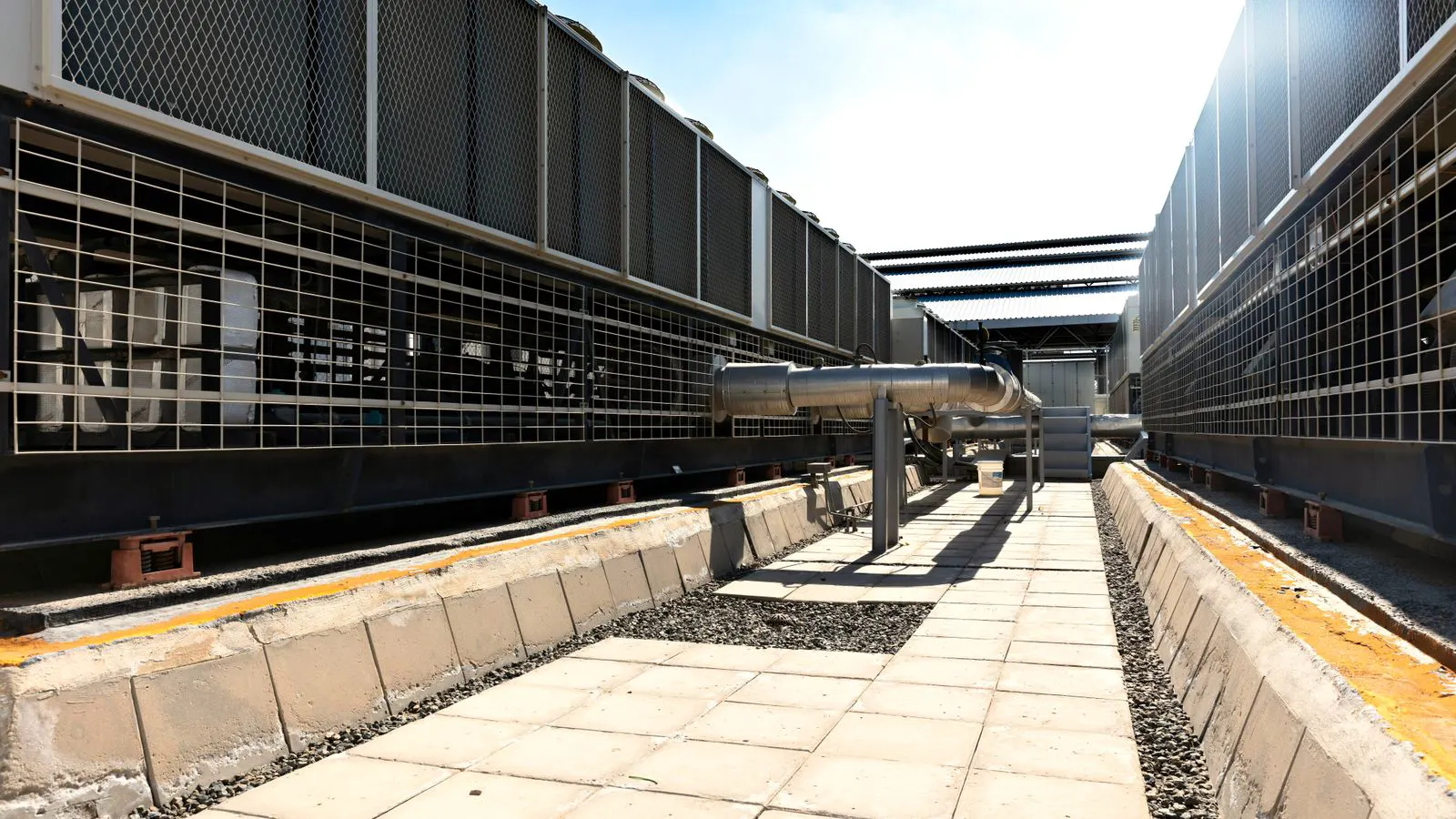
Air cooling reduces water consumption and pump energy but requires higher fan power, while water cooling offers superior heat transfer for high-output profiles. The choice depends on your specific extrusion profile, ambient conditions, and long-term operational costs.
- Air cooling minimizes water use and maintenance but increases fan energy demand, making it better suited for low to medium heat loads and dry climates.
- Water cooling delivers higher heat transfer rates for high-speed production and dense polymer extrusion, reducing motor load on the extruder.
- Hybrid approaches can combine both systems to optimize energy spend based on real-time heat load and ambient temperature.
- Long-term energy savings depend on local utility rates, climate data, and the specific thermal output of the extrusion profile.
How Air and Water Cooling Differ in Extrusion Lines
Extrusion lines generate significant heat during polymer processing. That heat must be removed to maintain part quality and protect downstream components. The choice between air and water cooling shapes both energy use and sustainability outcomes. Air cooling uses forced convection via fans. Water cooling relies on liquid circulation through heat exchangers. Each method has distinct energy profiles and operational constraints.
Air cooling transfers heat directly from the extruder barrel and die to the surrounding air. Water cooling circulates fluid through jacket systems or external coolers. The fundamental difference lies in the specific heat capacity and thermal conductivity of the medium. Water moves heat away faster than air, but it demands a pump system and often a treatment cycle.
Energy Consumption Breakdown
The energy cost of cooling depends on two factors. The first is the power required to move the cooling medium. The second is the heat removal efficiency relative to the extrusion load.
Air cooling systems draw power primarily from fans. Larger fans and higher airflow velocities increase electricity use. Water cooling consumes energy in the pump, the heat exchanger, and any chilled water plant. A water system also requires energy for water treatment and makeup water handling.
The comparison hinges on the thermal load. Low heat load profiles may see air cooling outperform water on energy cost because fan power stays modest. High heat load profiles often favor water cooling because the pump energy remains lower than the fan power needed to match the same heat removal rate.
Consider a standard single-screw extruder producing HDPE pipe. The barrel and die generate continuous heat. If the ambient temperature is high, air cooling efficiency drops. The temperature differential between the hot surface and the air becomes smaller. Fans must run at higher speeds to compensate. Energy use climbs. In the same scenario, water maintains a stable temperature differential, keeping pump speeds steady.
Practical Comparison Table
| Option | Best for | Limitations |
|---|---|---|
| Air Cooling | Low to medium heat loads, dry climates, small production volumes | Higher fan energy in hot or humid conditions, limited heat removal capacity |
| Water Cooling | High output lines, dense polymers, high ambient temperatures | Pump energy, water treatment costs, higher initial infrastructure |
| Hybrid System | Variable production schedules, mixed product ranges | Complex controls, higher maintenance, increased capital cost |
| Ambient Air with Recovery | Low heat load, stable ambient conditions | Limited to specific climate windows, inconsistent performance |
When to Choose Air Cooling
Air cooling suits lines with modest thermal output. Thin wall products, low viscosity resins, and short production runs fit this category well. The absence of a closed water loop simplifies maintenance. There is no risk of scale buildup in the cooling circuit. There is no need for a water treatment plant.
Air cooling also works well in facilities with strict water usage limits. Some industrial zones restrict water discharge or impose heavy water tariffs. In those environments, the energy savings from reduced water pumping and treatment can offset the higher fan power draw.
The main limitation is heat capacity. Air has low thermal capacity compared to water. To remove the same amount of heat, an air system needs a much larger volume of air movement. That translates to larger fans. Larger fans consume more energy. If the extrusion profile generates intense heat, the fan power requirement can approach or exceed the pump power of an equivalent water system.
When to Choose Water Cooling
Water cooling handles high thermal loads more efficiently. The heat transfer coefficient of water exceeds that of air by a significant margin. For high speed extrusion, thick wall products, or heat sensitive polymers, water cooling keeps the die and barrel temperatures stable. Stability reduces energy spikes in the extruder drive.
Water cooling also works in hot climates. When ambient air sits above 35 degrees Celsius, air cooling struggles to maintain the required temperature differential. Water remains effective regardless of outdoor conditions. This makes it the preferred choice for plants in tropical or arid regions with high summer temperatures.
The trade-off is infrastructure. A water cooling loop requires pumps, heat exchangers, and a treatment system. The energy cost includes the pump, the chiller if needed, and the water treatment equipment. Maintenance involves monitoring for leaks, scaling, and corrosion.
Hybrid and Ambient Approaches
Hybrid systems combine both methods. A common setup uses air cooling for baseline heat removal and water cooling for peak loads. Controls switch between modes based on real-time temperature data and ambient conditions. This approach reduces energy waste during low demand periods.
Ambient air cooling with heat recovery offers another option. In moderate climates, the air itself can serve as the cooling medium. Heat recovery captures waste heat from the extrusion line and redirects it for space heating or process preheating. This approach reduces net energy consumption but requires additional piping and control logic.
The choice between these methods depends on your production profile. A plant running a consistent, low heat load product may find ambient air sufficient. A plant running multiple products with varying thermal demands benefits from a hybrid setup.
Long Term Energy and Sustainability Considerations
Energy efficiency in extrusion cooling extends beyond the direct power draw. Water usage carries its own environmental footprint. Treating and pumping water requires energy. Disposing of treated water creates waste. For facilities in water stressed regions, the sustainability impact of water cooling must be weighed against its energy benefits.
Air cooling has a lower environmental footprint in terms of water. The main impact is electricity. If the local grid relies heavily on fossil fuels, the carbon intensity of fan power becomes significant. In regions with renewable energy sources, air cooling may offer a lower carbon profile.
Sustainability also involves maintenance. Water systems require regular treatment to prevent biological growth and scaling. This consumes chemicals and energy. Air systems need regular filter changes and fan blade inspection. The maintenance cycle shapes the lifecycle cost.
How to Select the Right System for Your Profile
Start with the thermal output of your extrusion line. Measure the heat generated at the barrel, die, and any downstream components. This data drives the cooling capacity requirement. If you lack measurements, consult your extruder manufacturer for typical heat load estimates based on your specific polymer and production speed.
Next, evaluate your ambient conditions. Record the average and peak temperatures of your facility over a full year. High ambient temperatures reduce the efficiency of air cooling. If your peak temperatures regularly exceed 35 degrees Celsius, air cooling may require oversized fans to maintain quality.
Consider your production schedule. Continuous high speed runs favor water cooling. Intermittent or low speed runs favor air cooling. The energy savings from matching the cooling method to the actual load are significant.
Finally, review your utility rates. Electricity and water costs vary by region and by time of day. Time of day pricing can shift the economic balance between air and water cooling. If water rates are low during off peak hours and electricity rates are high, a water system with off peak pumping may outperform a fan driven air system.
Common Mistakes in Cooling Selection
The most common error is selecting cooling based on capital cost alone. A cheaper air system may end up costing more over time if it requires oversized fans and higher electricity bills. A more expensive water system may prove economical if it allows higher production speeds and lower motor load.
Another mistake is ignoring the die temperature window. Polymers have specific processing ranges. If the cooling system cannot maintain the die temperature, part quality suffers. Retries and scrap increase energy waste. The cooling system must match the thermal requirements of the material, not just the facility.
A third error is underestimating water treatment. In hard water regions, scaling in the cooling loop reduces heat transfer over time. This forces higher pump speeds to compensate. The energy savings from water cooling erode as the system degrades. Regular water quality monitoring and maintenance are necessary.
Frequently asked questions
What is the primary energy difference between air and water cooling in extrusion?
Air cooling uses fan power to move a large volume of air, while water cooling uses pump power to circulate a smaller volume of water. Water transfers heat more efficiently, often reducing total energy demand for high heat load lines.
When does air cooling save more energy than water cooling?
Air cooling saves energy in low heat load applications, dry climates, and regions with high water tariffs. The fan power remains manageable when the thermal output is modest and ambient temperatures are cool.
How does ambient temperature affect the energy cost of air cooling?
Higher ambient temperatures reduce the temperature differential available for heat removal. Fans must run at higher speeds to compensate, increasing electricity consumption and potentially reducing cooling efficiency.
Can a hybrid cooling system reduce energy costs?
Yes, a hybrid system matches the cooling method to the actual heat load. It uses air cooling for baseline needs and water cooling for peaks, reducing wasted energy during low demand periods.
What should I measure before choosing a cooling system?
Measure the thermal output of the extruder, record ambient temperatures over a full year, and review local utility rates. These three data points drive the energy cost comparison. ===END===