Blow Molding Outlook: Automation and Digitalization
This guide outlines the key shifts in blow molding technology. It covers automation, digital controls, and data systems. It provides practical advice for buyers evaluating new machines and production lines.
- Automation in blow molding is moving beyond simple cycle-time reduction toward full line integration.
- Digitalization requires data hygiene. Garbage in, garbage out applies to production monitoring.
- Energy monitoring is a low-cost entry point for digital transformation in the plant.
- The ROI period for new controls is shortening as software updates become standard.
- Buyers should prioritize interoperability standards over proprietary ecosystems.
The blow molding sector is adjusting to a new baseline. Labor shortages and material cost volatility are pushing plants to rely less on manual intervention and more on closed-loop systems. For the buyer, this means the machine itself is no longer the end of the technology stack. The value now sits in how the extruder, the mold, the cooling loop, and the data server talk to each other.
This section of the site focuses on the operational side of that shift. We are not looking at marketing claims. We are looking at the hardware, the software, and the process checks that determine whether a new line actually improves return on investment. The following shifts are visible on the production floor today. They are not predictions. They are changes that require planning.
Shift One: From Single-Machine Control to Line Integration
The traditional blow molding machine is a standalone unit. The operator sets the barrel temperature, the back pressure, and the mold open/close timing. The machine runs. If a defect appears, the operator walks the line to find the root cause.
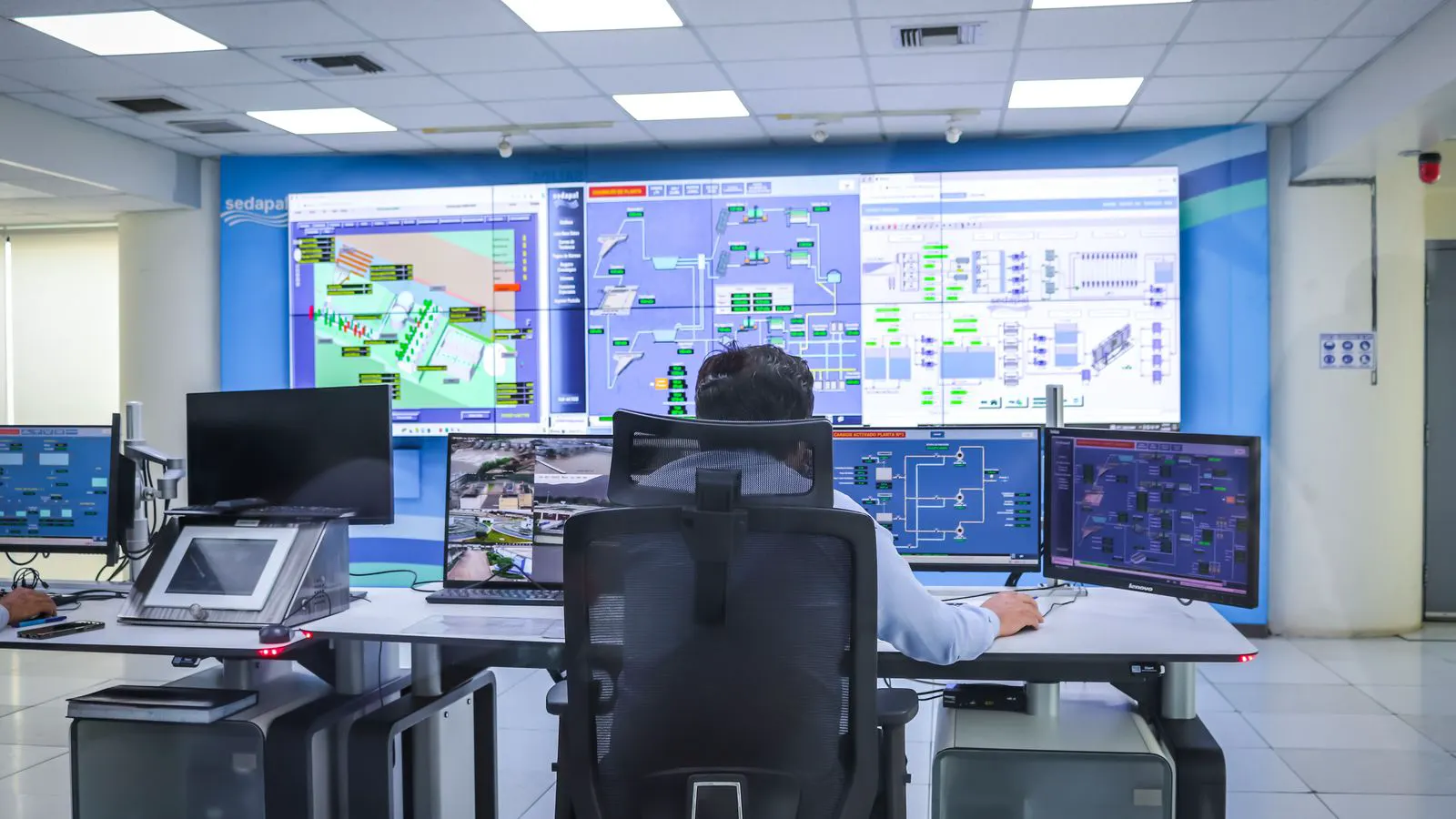
The modern line treats the blow molder as one node in a network. The extruder communicates with the mold controller. The mold controller talks to the cooling system. The cooling system reports its temperature drift to a central historian. When a thin wall defect appears on the bottle neck, the system does not just flag the part. It pulls the last ten cycles of data. It checks if the barrel temperature fluctuated during the injection phase. It checks if the cooling water flow rate dropped on the specific mold zone where the defect occurred.
Buyers should look for machines that offer open communication ports. Ethernet, OPC UA, or similar industrial protocols are becoming the baseline. Proprietary systems are still common, but they create a silo. If the machine cannot export its data to your existing SCADA or MES system, you pay twice. Once for the machine, and again for the integration service later.
Ask the vendor for a data map. Show you exactly what parameters the machine can log. Show you the update cycle. A machine that logs every cycle is different from one that logs a summary every hour. For troubleshooting, you need the cycle-level data. For energy analysis, the summary data may be enough. Match the data requirement to the problem you are trying to solve.
The integration cost is often underestimated. It is not just about plugging in a cable. It is about mapping the machine parameters to your plant’s logical structure. It is about setting up alerts. If the mold temperature drifts by two degrees, does the operator get a text? Does the machine slow down? Does it stop? These decisions require a clear operational plan before the machine is installed.
Shift Two: Predictive Maintenance Replaces Reactive Repair
Breakdowns used to be a surprise. The gearbox failed. The extruder motor burned out. The mold heater element shorted. The downtime was measured in days.
Predictive maintenance changes the model. Sensors on the motor current, vibration, and temperature feed into a simple algorithm. The system learns the normal baseline. When the vibration signature changes, it flags a bearing issue before the bearing fails. When the motor current rises slightly above the baseline, it suggests a friction problem in the drive.
This is not a magic solution. It requires clean data. If the plant has no baseline, the system cannot predict. The first three to six months of operation are about establishing the normal. During this period, the operator must log every manual adjustment. Every time the temperature is changed, the reason must be noted. This builds the context for the data.
The ROI here is direct. A major gearbox replacement is expensive. The downtime is more expensive. The cost of a sensor package is a fraction of the repair. The benefit is not just in avoiding the repair. It is in scheduling the repair during a planned shutdown. You can order parts in advance. You can assign the technician. You control the timeline.
Buyers should ask how the vendor handles firmware updates. A control system that can be updated remotely is an asset. A system that requires a technician to fly in for a patch is a liability. The update should improve the prediction model. It should not just fix a bug. The software should be part of the machine’s life cycle, not an afterthought.
Shift Three: Energy Monitoring Becomes a Production KPI
Energy was once a utility cost. It was checked monthly. If the bill went up, the plant looked for leaks or inefficient motors.
Now, energy is a production variable. The correlation between cycle time and energy use is direct. A machine running a slower cycle to cool the mold consumes more energy per unit. A machine with poor mold sealing consumes more energy to maintain temperature. The energy monitor shows this in real time.
The shift is from “utility cost” to “quality and efficiency metric.” If the energy per bottle rises, the system checks the mold temperature. If the energy per bottle drops, the system checks the cycle time. A drop in energy might mean the cycle is too fast and the part is not cool enough. A rise in energy might mean the mold is fouled or the heater is inefficient.
This requires a power meter that can log at the machine level, not just the plant level. Sub-metering is the key. Without sub-metering, you cannot isolate the blow molder from the cooling tower or the compressor. The data must be granular.
The preparation step is simple. Install sub-meters on the main power feed of the machine. Log the data for one month. Compare the energy per unit against the production volume. You will see the baseline. From there, you can see the impact of any process change. If you change the resin, the energy will shift. If you change the mold speed, the energy will shift. You need that visibility to make decisions.
Shift Four: Digital Twins and Simulation
Digital twins are not a science fiction concept. They are becoming a standard tool for process development. A digital twin is a virtual model of the machine and the part. You input the resin properties. You set the mold geometry. You simulate the cooling. You see where the stress points are. You see where the thin walls will form.
This is particularly useful for new products. Before you cut the steel mold, you can simulate the fill. If the simulation shows a weld line in the wrong place, you adjust the gate position in the mold design. You do not pay for a mold change. You fix it in the CAD file.
For existing lines, the twin is used for “what if” scenarios. What if we increase the cycle speed by five percent? What if we change the back pressure? The model runs the simulation in seconds. It shows the effect on part quality and energy use.
The limitation is data quality. The model is only as good as the input. The resin viscosity must be accurate. The mold geometry must match the physical mold. If the mold has a scratch that changes the flow, the twin does not know about it unless you update the model.
Buyers should treat the twin as a decision tool, not a replacement for testing. It reduces the number of physical trials. It shortens the development time. It lowers the risk of a bad mold. But it does not eliminate the need for a physical prototype. The twin tells you where the problem is likely to be. The prototype confirms it.
Shift Five: Interoperability and Standard Data
The biggest barrier to digitalization is not the software. It is the data silos. The machine has one format. The cooling system has another. The ERP system has a third. The engineer spends more time converting data than analyzing it.
The industry is moving toward standard protocols. OPC UA is gaining traction. It allows different systems to talk to each other without a custom bridge. The machine, the sensor, and the server all speak the same language.
Buyers must insist on this. If the vendor says the machine “integrates with your system,” ask for the protocol details. Ask for a sample data file. Look at the tags. Are they standardized? Can you read them in a standard SCADA client?
The alternative is a proprietary lock-in. The vendor provides the software. You pay for the license. You cannot export the data. You cannot connect it to your other machines. This is a trap. It makes the machine a black box. You are buying a machine, but you are renting the data.
The preparation step is to define your data architecture before you buy the machine. What data do you need? What is the frequency? Where will it live? How will it be accessed? Write this down. Give it to the vendor. Do not let the vendor define your data structure. Define it yourself.
Practical Preparation Checklist
Before you sign a contract for a new line or an upgrade, run through this list.
- Define the problem. Are you trying to reduce defects? Cut labor? Save energy? The technology choice depends on the goal.
- Audit the data. What data do you have today? Is it accessible? Is it clean?
- Check the protocol. Does the machine support OPC UA or a similar standard?
- Plan the integration. Who will install the sensors? Who will configure the software?
- Set the KPIs. How will you measure success? Cycle time? Defect rate? Energy per unit?
- Train the staff. The operator must understand the new system. A sophisticated tool is useless if the operator does not trust it.
The Bottom Line
The shift is not about buying the most expensive machine. It is about buying a machine that fits into a data ecosystem. The ROI comes from the system, not just the hardware. A standard machine with good data integration will outperform a high-end machine with a proprietary silo.
The cost of inaction is rising. Every year without a data foundation makes the next upgrade more expensive. You have to retrofit the sensors. You have to retrain the staff. You have to fix the legacy data.
Start small. Install a power meter. Connect the mold to the network. Log the data. Build the habit. Then expand. The technology is ready. The preparation is the work you must do.
Frequently asked questions
Do I need a full digital twin to start with digitalization?
No. A digital twin is a high-level tool. You can start with basic data logging and energy monitoring. Build the foundation first. Add the twin when the process is stable.
How long does it take to see ROI from automation?
It depends on the scope. A simple data integration project can show savings in months. A full line integration may take a year or more. Focus on the quick wins to fund the larger project.
Is OPC UA required for modern blow molding machines?
It is not strictly required yet, but it is becoming the standard. If the machine does not support it, ask why. Proprietary systems are harder to integrate and may become obsolete.
What is the biggest mistake buyers make?
Buying the machine before defining the data architecture. If you do not know what data you need, the vendor will define it for you. That usually leads to a silo.
Can I upgrade an old machine to be digital?
Yes. Many older machines can accept external sensors and controllers. The limitation is the communication port. If the machine has no Ethernet port, you may need an add-on module. Check with the vendor before buying.