Blow Molder Lead Time: Custom vs Standard Delivery
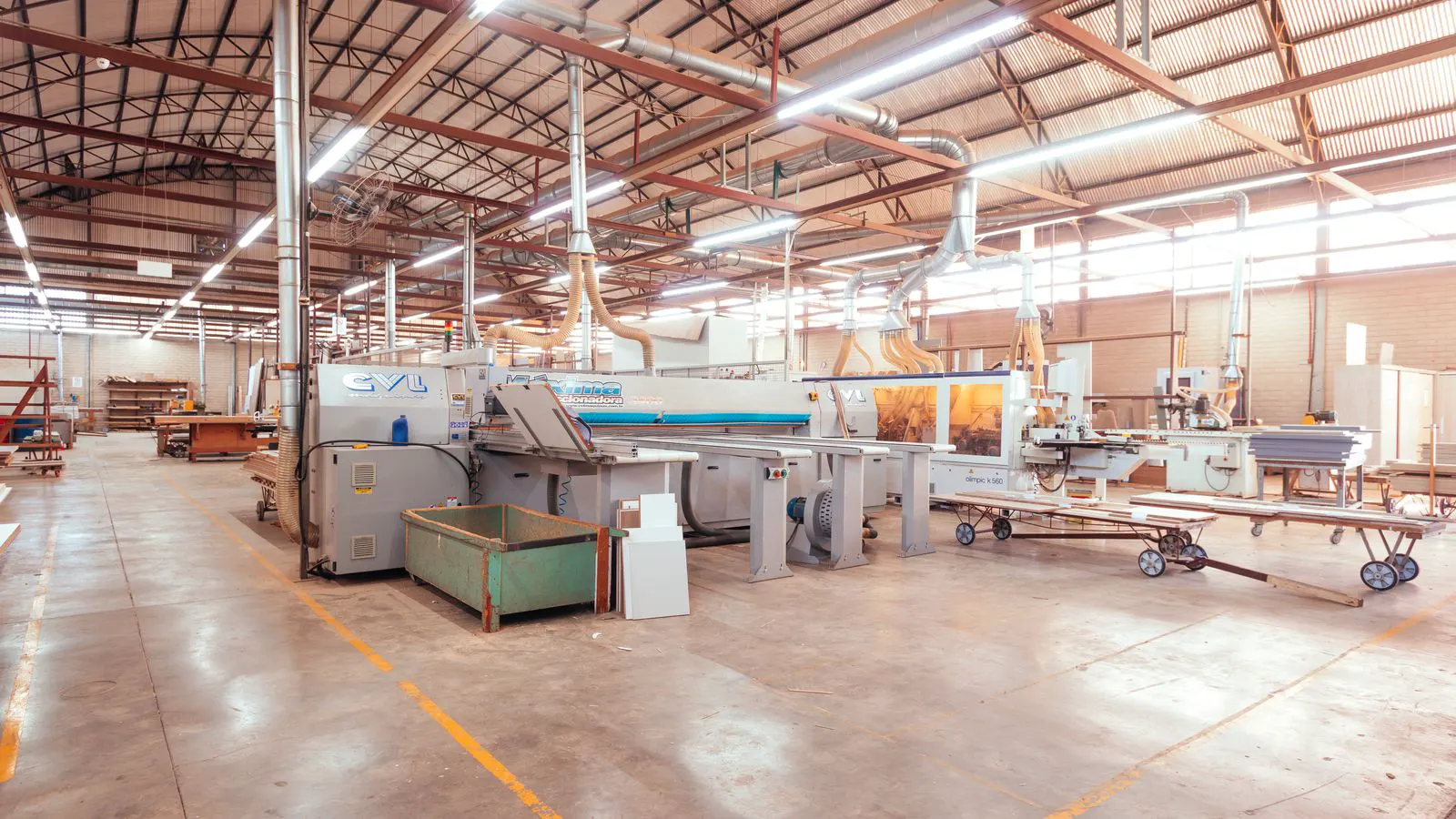
Blow molding delivery depends on factory capacity, mold tooling, and shipping routes. Standard machines move faster than custom builds. A clear RFQ and early freight planning reduce total arrival time for any buyer.
- Standard blow molding delivery is faster because molds are often available or require minor adaptation.
- Custom tooling adds weeks to the timeline and changes the total cost structure.
- A detailed RFQ prevents back and forth that delays final orders.
- Freight and import handling are part of the delivery clock, not just factory time.
- Compare quotes by total arrival date, not just unit price.
What Drives Blow Molding Delivery
Blow molding delivery starts at the factory gate and ends at your plant floor. The timeline includes design confirmation, mold manufacturing, machine assembly, factory acceptance testing, and freight. Several factors interact to set the final arrival date. The most common driver is the complexity of the part you intend to produce. A simple cylindrical bottle with a single cavity moves through the supply chain faster than a complex container with multiple ribs, a specific cap fit, or a multi-cavity layout.
Standard machines usually move faster because the tooling is generic. The mold may be off the shelf or require simple resizing. The factory can start immediately because the frame, drive systems, and control logic are already proven. Custom machines take longer. The mold is designed for your specific bottle, container, or part. Every curve, rib, and gate requires engineering time. The mold maker must calculate the cooling channel layout, the ejection points, and the material flow paths. If the part has a thin wall section next to a thick base, the mold design must account for uneven shrinkage. This engineering phase often adds weeks to the lead time.
The factory slot matters too. Production lines are full. If your order lands in a busy quarter, the build date can slip. Shipping routes add days or weeks. Ocean freight is slower than air freight but cheaper. The choice depends on your budget and production start date. For example, a standard machine shipped by sea might take six to eight weeks from factory to port, while air freight can compress that leg to under two weeks. The trade-off is significant. If your production line is already running and you need to add capacity immediately, air freight is often the only option. If you are building a new facility, ocean freight is usually the standard.
How Custom vs Standard Changes the Clock
Standard delivery relies on existing inventory or short tooling runs. The machine may be built from a standard frame with a standard mold. The factory can start immediately because the components are pre-ordered and the assembly process is repetitive. The control software is often configured from a library of existing recipes. This reduces the risk of software errors and speeds up the factory acceptance testing phase.
Custom delivery requires a full engineering cycle. You need to provide drawings, material specs, and part dimensions. The mold maker reviews the design. The factory plans the machine configuration. The difference is not just in the mold. The machine settings change. The blow mold may need a different platen, different mold clamping force, or a different mold temperature control. These details take time to verify. For instance, if your part is made from a high-impact material, the mold cooling system may need higher flow rates to prevent warping. The machine frame may need a heavier duty clamping system to hold the mold under the increased pressure.
A standard machine might arrive in a shorter window. A custom machine takes longer but fits your part better. The trade-off is time versus precision. A standard machine is a compromise. It will run your part, but you may need to adjust the injection timing or the cooling time to compensate for the generic mold design. A custom machine is built around your part. The injection time, the cooling time, and the mold opening speed are optimized for that specific geometry. This reduces cycle time and improves part quality.
How to Write a Clear RFQ
A vague RFQ creates delays. If you ask for “a blow molding machine,” the supplier must guess your needs. They send a generic quote. You reply with corrections. They send a new quote. The cycle repeats. Each exchange adds days to the timeline and increases the chance of a specification error.
A clear RFQ saves time. Start with the part. Include the material, thickness, weight, and production speed. State the final container or part name. Give the bottle or container dimensions. Provide a 3D CAD file if possible. A CAD file removes ambiguity. The mold maker can see the exact curvature of the shoulder and the precise depth of the base. If you only have a 2D drawing, include cross-sections and a scale reference.
List the machine requirements. State the cavity count. Define the mold type. Specify the control system and any automation. Include the utility connections. Water, compressed air, and power specs help the factory plan the installation. For example, if your plant uses 220V single phase power but the machine requires 400V three phase power, the factory must specify a transformer. If you do not state the power requirement, the machine may arrive with the wrong electrical components.
Add your site conditions. Floor loading, ceiling height, and dock access affect the machine footprint. If the machine needs a separate mold store, say so. If you need a specific color or finish, include it in the spec sheet. The factory needs to know if the machine will sit in a high-humidity area or a dry workshop. This affects the sealant choices and the control cabinet ventilation.
End with your target start date. Do not ask for a date if you do not have one. Give a range. Ask for the earliest possible delivery date. This forces a real answer. A vague request for “as soon as possible” allows the supplier to quote a long lead time to protect their margins. A specific date, such as “production start required by Q3,” pushes the supplier to identify the critical path and propose a solution.
How to Compare Quotes Fairly
Prices look similar. Delivery dates do not. Do not pick the lowest number. Pick the quote that gets you to production. Two suppliers may quote the same machine price, but one may have a four-week mold lead time while the other has an eight-week lead time. The cheaper quote may actually cost you more in lost production time.
Look at the total timeline. Factory build time, mold lead time, and shipping time are separate items. A cheap machine with a long mold delay costs you production time. The mold is often the critical path. It is a custom tool. If the mold maker has a backlog, the machine build may wait for the mold to be ready. Ask for the mold lead time separately from the machine lead time.
Check the inclusions. Some quotes include the mold. Some do not. Some include freight to the plant. Some stop at the port. Read the scope. A quote that says “FOB port” means you are responsible for the freight from the port to your plant. A quote that says “DDP” means the supplier handles the freight and customs. The difference can be significant. DDP is often more expensive, but it simplifies your logistics.
Compare the spare parts list. A standard machine may come with basic spares. A custom machine may need specific replacement parts. If the supplier cannot provide the parts list, ask for it. A spare parts list tells you about the supplier’s support model. If the parts are generic, you can buy them from any distributor. If the parts are proprietary, you are tied to that supplier for maintenance.
Ask about factory acceptance testing. Does the test include your part? Or just a generic bottle? A test with your part catches mold issues before the machine leaves the factory. If the mold has a small flash line or a cooling imbalance, you want to know before the machine is crated. A generic test does not reveal these issues.
Cost Drivers Behind the Delivery
The cost of the machine and the cost of the delivery are linked. Faster delivery costs more. Custom molds cost more than standard molds. Long distance shipping adds freight and insurance. The table below shows the main cost drivers. Each one affects the final arrival date and the total budget.
| Cost Driver | Effect on Delivery | Effect on Budget |
|---|---|---|
| Mold Complexity | Adds design and tooling weeks | Higher mold cost |
| Machine Configuration | Affects assembly and testing time | Higher machine cost |
| Freight Method | Ocean is slow, air is fast | Air freight costs more |
| Import Handling | Customs and documentation | Adds handling fees |
| Site Readiness | Delays installation if not ready | Higher installation cost |
Mold complexity is the largest variable. A simple mold for a plain bottle is a relatively straightforward tool. A mold for a complex container with a thin wall and a thick base requires more engineering hours. The mold maker must calculate the cooling channels to ensure uniform temperature. This adds cost. Machine configuration affects assembly and testing time. A machine with a large multi-cavity mold requires a more powerful clamping system. This increases the machine cost and the assembly time.
Shipping and Import Considerations
Shipping is not just a cost. It is a timeline item. The machine is heavy. It may need a flatbed truck or a container. The container type matters. A standard 20 foot box may not fit a large multi cavity machine. If the machine does not fit, you may need a 40 foot container or a break bulk shipment. Break bulk is more expensive and slower. The freight forwarder must measure the machine dimensions before booking.
Check the port. If your plant is inland, the freight moves from the port to the plant. This is called overland transport. It needs a truck with a lift gate. The machine may need a crane for loading. If your plant is in a remote area, the overland transport may take days. The freight forwarder should provide a routing plan. This plan shows the truck stops, the crane availability, and the estimated transit time.
Customs paperwork is part of the delay. The commercial invoice, packing list, and bill of lading must be correct. A missing document holds the container. The supplier should provide a draft package for your review. Check the Harmonized System codes. If the code is wrong, the customs broker cannot process the shipment. The container sits at the port. You pay storage fees. The supplier should help with the HS codes.
If you buy from a different country, the currency and exchange rate matter. A small change in the exchange rate changes the final price. Lock the price early. If the contract is in US dollars and your budget is in Euros, a shift in the exchange rate can increase your cost by several percent. A fixed price contract protects you.
Pre-Startup Checks Before Delivery
Do not wait for the machine to arrive to start planning. The pre-startup inspection takes time. The team needs to check the site. The floor must be level. The power must be correct. The air supply must be clean. The floor level is critical. If the floor is uneven, the machine frame may twist. This causes alignment errors in the mold clamping system. The alignment errors lead to part defects.
Create a checklist. Include the utility connections. Check the electrical panel size. Verify the water pressure. Test the compressed air. These checks prevent a stalled installation. For example, if the electrical panel is too small, the machine will trip the breaker during startup. The installation team will need to upgrade the panel. This adds cost and time. The water pressure must be sufficient for the mold cooling system. If the pressure is low, the mold may overheat. The compressed air must be oil-free. Oil in the air supply damages the pneumatic valves.
The mold needs a clean storage area. Mold surfaces are sensitive. Dust and moisture cause defects. Keep the mold dry until it is installed. If the mold is stored in a damp area, condensation may form on the surface. This causes flash lines or surface defects in the first production run.
The team should be ready. The operators need training. The maintenance staff need the manual. The spare parts need to be on hand. If the team is not ready, the machine sits idle. The supplier will often require a training session before the machine leaves the factory. This session usually happens during the factory acceptance testing. If your team is not present, you miss the training. You will need to pay for a separate training session later.
How to Reduce Risk in the Timeline
Risk comes from unclear specs and late decisions. The factory cannot build a machine if you are still deciding on the color. The mold maker cannot start if you are still changing the part design. Every change to the design after the mold is cut adds cost and time. The mold may need to be reworked. The rework may take weeks.
Lock the design early. Get a written confirmation from your product team. The mold maker will hold the date only if the design is final. A written confirmation protects both parties. It defines the scope of the work. If you change the design later, you are out of scope. You pay for the changes.
Set up a weekly call. Check the build status. Ask for photos. Ask for the mold lead time. Ask for the freight booking date. Do not wait for a surprise. A weekly call keeps everyone aligned. If there is a delay, you know about it early. You can adjust your production plan. If you do not check in, you may find out about a delay only when the machine is already late.
If the timeline slips, have a plan. Can you use air freight for the mold? Can you rent a temporary machine? Can you shift the production start by two weeks? The plan should exist before the delay happens. A backup plan reduces stress. It allows you to make a rational decision. If you wait until the delay happens, you are forced to make a decision under pressure. You may choose the wrong option.
The goal is to get the machine running, not just in the building. A machine on the floor is not a machine in production. The pre-startup checks and the team readiness are part of the delivery. The machine must be connected, tested, and operated by trained staff. The delivery is complete when the first good part leaves the mold.
Frequently asked questions
What is the main difference between standard and custom blow molding delivery?
Standard machines use existing molds and shorter build slots. Custom machines require new tooling and design cycles, which adds weeks to the timeline.
Why does a clear RFQ reduce delivery time?
A clear RFQ removes guesswork. The factory and mold maker can start work immediately without waiting for revisions or clarifications.
How does freight affect the total cost?
Freight adds to the budget. Ocean freight is cheaper but slower. Air freight is faster but costs more. The choice depends on your production start date.
What should I check before the machine arrives?
Check the site utilities, floor level, and power supply. Verify the air and water connections. Prepare a clean area for the mold storage.
Can I speed up a custom machine delivery?
Yes. Lock the design early. Use air freight for the mold if needed. Book the freight early. Keep the weekly status calls to catch delays.