Checklist: Verifying Utility Costs for Extrusion Lines
Engineers need a pre-purchase check to confirm site utilities can support the machine. This checklist covers power capacity, cooling systems, compressed air, and safety interlocks. It helps avoid expensive upgrades and ensures the extrusion line operates within budget.
- Verify that the available amperage matches the motor and heater load before signing a purchase order.
- Check that the cooling water supply and return capacity are sufficient for the extrusion line temperature.
- Inspect compressed air lines for pressure drops and leaks that can mask true energy consumption.
- Review safety interlocks and emergency stop circuits to ensure utility shutoffs do not disrupt production.
- Document all utility findings in a pre-purchase report to support negotiation and ROI calculations.
Confirming the Power Supply Capacity
The first point of contact between a new extrusion line and the facility is the electrical supply. Extrusion machinery draws significant power during startup and maintains a steady load during steady state. The motor size, heater elements, and control panels all contribute to the total demand. An engineering team must identify the exact amperage required by the proposed machine.
Start by obtaining the electrical data sheet from the machine manufacturer. This document lists the rated power, voltage, and phase count. Match these figures against the existing site capacity. If the facility runs on a three-phase supply, the line must be able to handle the combined load without tripping breakers or causing voltage drops. A voltage drop of even a few percent can affect motor performance and extend cycle times.
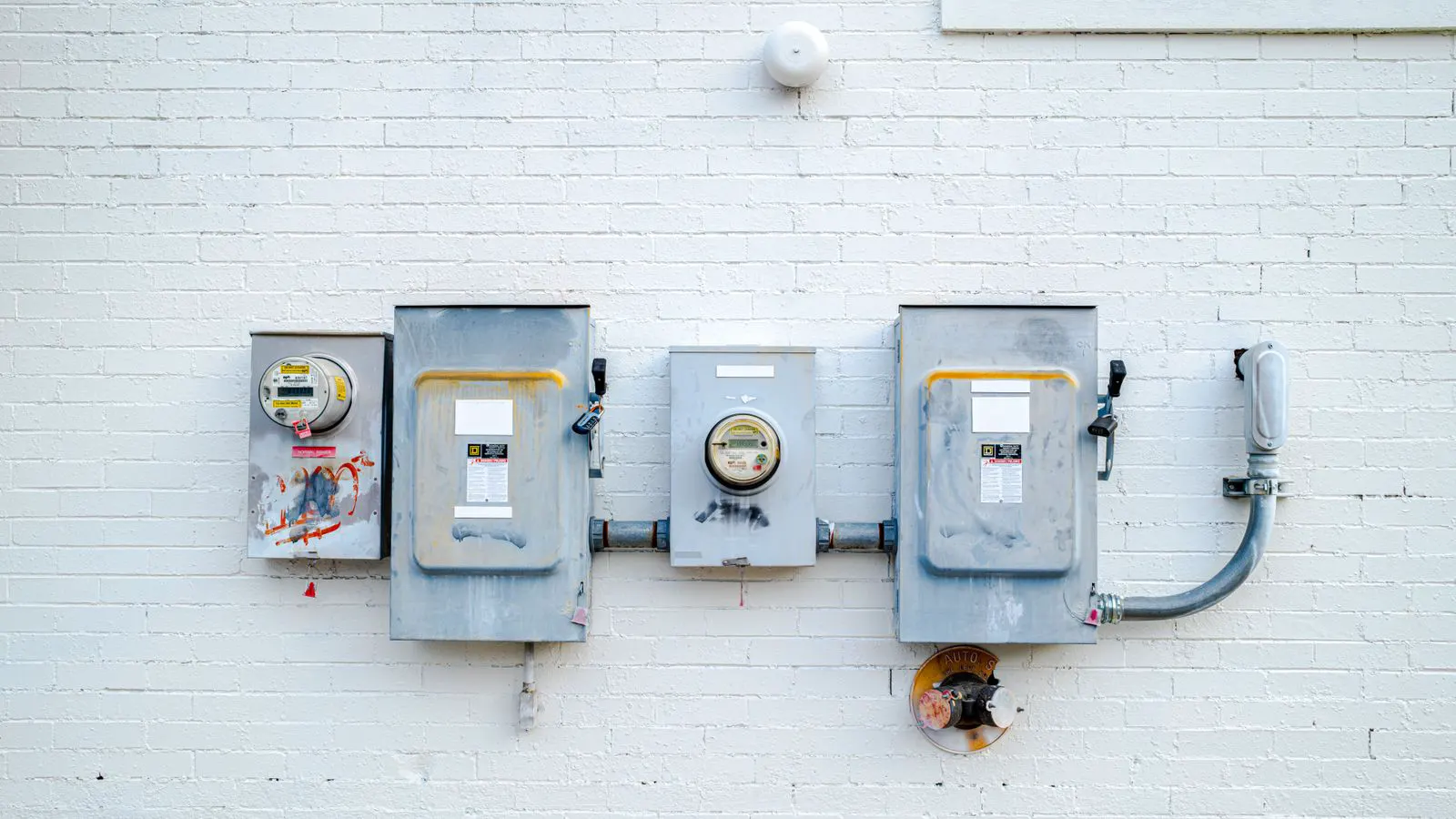
Inspect the main switchboard and distribution panels. Look for the rating of the breakers and the capacity of the incoming service. If the existing panel is at its limit, adding a new line may require a panel upgrade. This is a common hidden cost that surfaces after installation.
A practical check is to measure the current draw of similar equipment already on site. If other machines are running at high loads, the available capacity may be lower than the nameplate suggests. Record the readings during a full production cycle. This gives a realistic baseline for the new machine.
Auditing the Cooling Water System
Cooling is a major component of extrusion utility costs. The barrel and die require constant water flow to maintain temperature. The volume and pressure of the cooling water determine how effectively the machine can operate.
Check the cooling water supply pressure and flow rate. The machine datasheet will specify the minimum flow required. If the site supply is shared with other cooling loads, the combined demand may exceed the pump capacity. This leads to temperature fluctuations in the barrel, which can cause product defects.
Inspect the return line and the heat exchanger. A clogged heat exchanger reduces the cooling efficiency and raises the temperature of the return water. This forces the pump to work harder and increases energy consumption. Clean or replace the heat exchanger if the temperature differential is higher than expected.
Measure the temperature of the water at the barrel inlet and outlet. The difference should match the specifications in the datasheet. If the temperature rise is higher, the flow may be insufficient. Adjust the flow rate or upgrade the pump if necessary.
Verifying the Compressed Air Requirements
Many extrusion lines use compressed air for pneumatic controls, air knives, or material handling. The utility costs for compressed air are often underestimated because the energy is consumed in the compressor room rather than at the machine.
Check the air pressure at the machine connection point. The compressor may generate high pressure, but the drop in the piping can reduce the pressure at the point of use. If the pressure is too low, the pneumatic controls may fail to actuate properly.
Inspect the air lines for leaks. Even small leaks can waste a significant amount of compressed air. Use a leak detection method to identify and repair leaks before the new machine is installed. This reduces the load on the compressor and lowers utility costs.
Determine if the site needs a dedicated air dryer or filter. If the new machine requires dry air, the existing system may not be adequate. Adding a dryer or filter can increase the energy consumption of the compressor. Factor this into the total utility cost estimate.
Checking the Safety Interlocks and Emergency Stops
Safety systems are not optional. The utility connections must be integrated with the machine safety interlocks. If an emergency stop is triggered, the power must be cut off in a controlled manner.
Inspect the emergency stop circuit. Ensure that it is wired correctly and that the interlocks are functioning. A faulty interlock can cause the machine to continue running during an emergency, which is a major safety risk.
Check the utility shutoff mechanism. If the main power is cut, the machine should stop safely. However, if the power is restored too quickly, the machine may restart without operator confirmation. This can cause damage or injury.
Review the safety documentation from the machine manufacturer. It will specify the required interlocks and emergency stop procedures. Ensure that the site electrical layout matches these requirements. If changes are needed, plan for them before installation.
Reviewing the Grounding and Protection Devices
Grounding and protection are critical for equipment safety and longevity. Poor grounding can cause electrical noise, which interferes with the control systems and sensors.
Check the grounding connection at the machine and the main panel. The grounding conductor must be of adequate size and in good condition. A loose or corroded connection can cause voltage spikes and damage to sensitive electronics.
Inspect the surge protection devices. These protect the machine from voltage spikes caused by switching or lightning. If the surge protectors are old or damaged, replace them. This prevents costly damage to the control panel and motor.
Test the insulation resistance of the wiring. A low insulation resistance indicates degradation of the insulation, which can lead to short circuits. Repair or replace the wiring if the test results are outside the acceptable range.
Calculating the Total Utility Load
To get a complete picture, calculate the total utility load for the new extrusion line. This includes the electrical power, cooling water energy, and compressed air consumption.
Use the following table to organize the data. Fill in the values from the datasheets and site measurements. This helps identify any gaps in the current understanding.
| Utility Component | Data Point | Source |
|---|---|---|
| Motor Power | Rated kW | Manufacturer datasheet |
| Heater Power | Rated kW | Manufacturer datasheet |
| Cooling Water Flow | L/min | Manufacturer datasheet |
| Cooling Water Pressure | bar | Manufacturer datasheet |
| Compressed Air Flow | L/min | Manufacturer datasheet |
| Air Pressure | bar | Manufacturer datasheet |
Once the data is collected, compare it to the site capacity. If the total load exceeds the available capacity, a utility upgrade is required. This can include a larger transformer, a new cooling pump, or an additional air compressor.
The cost of these upgrades should be included in the total cost of ownership. Ignoring them can lead to budget overruns and delays in production.
Documenting the Findings for ROI
The utility verification results are a key input for the ROI calculation. If the site requires upgrades, the initial cost increases. However, if the utility costs are higher than expected, the operating cost also increases.
Record all findings in a pre-purchase report. Include the measurements, the datasheet values, and any discrepancies. This document serves as a reference for the engineering team and the finance team.
Share the report with the sales team. They can confirm that the machine specifications match the site requirements. If there are mismatches, negotiate adjustments to the machine configuration or the site upgrade.
This documentation also supports the ROI calculation. It provides a realistic estimate of the utility costs, which is a major component of the operating cost. A conservative estimate of utility costs leads to a more reliable ROI.
Frequently asked questions
How do I measure the actual power draw of an extrusion line?
Use a power meter or clamp meter connected to the main supply. Measure the current during a steady state operation and record the readings for at least one full production cycle.
What is the typical cooling water flow for an extrusion line?
The flow rate depends on the machine size and the barrel temperature. Check the manufacturer datasheet for the specific requirement. It is usually in the range of several liters per minute to tens of liters per minute.
Can I use the existing compressed air system for a new extrusion line?
Yes, if the pressure and flow rate meet the machine requirements. Check the pressure drop in the piping and ensure there are no leaks. If the system is shared with other loads, verify that the total demand is within the compressor capacity.
What should I do if the site capacity is insufficient?
Plan for a utility upgrade. This may include a larger transformer, a new cooling pump, or an additional air compressor. Factor the cost of the upgrade into the total cost of ownership before making a purchase decision.
How often should I check the utility connections?
Check the utility connections regularly as part of the maintenance schedule. Inspect the grounding, surge protectors, and cooling water system at least once a year. More frequent checks are recommended if the machine is in a harsh environment.