What Is Capital Expenditure in Plastics Machinery
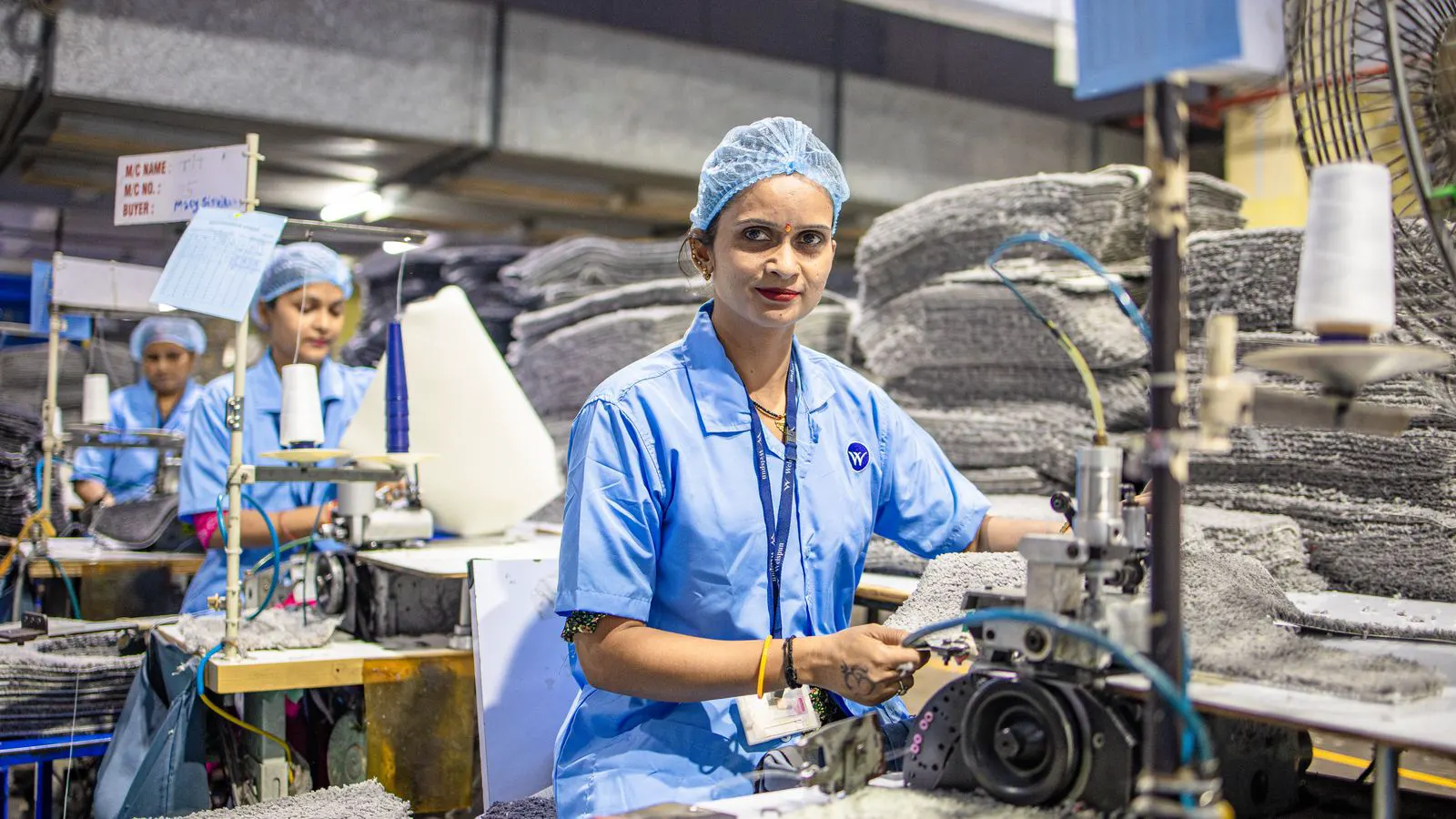
Capital expenditure covers major machinery investments like injection molders and extruders. It differs from routine operating costs. This distinction ensures accurate ROI calculation and protects budgeting for long-term capacity growth.
- Capital expenditure includes major equipment purchases and significant upgrades that expand production capability.
- Routine maintenance, tooling wear, and small repairs fall under operating expenditure.
- Clear separation of these costs improves ROI calculation for new machinery.
- Long-term budgeting requires tracking capital items against expected machine lifespan.
What Capital Expenditure Means in a Plastics Plant
Capital expenditure, often shortened to capex, refers to spending on tangible assets that provide value over several years. In a plastics manufacturing facility, this usually means buying an injection molding machine, an extrusion line, or a large blow molder. It can also cover major retrofits that change the machine’s output or process capability.
The term is distinct from day-to-day spending. Buying new thermoplastic pellets, paying for routine lubrication, or replacing a worn seal are operating expenses. They do not sit on the balance sheet as long-term assets. Confusing the two leads to poor financial planning. When a plant mixes capex and operating spend, the return on a new machine looks weaker than it really is. For example, if a factory capitalizes the cost of a new hydraulic hose pump into the value of a 30-ton injection molding machine, the asset appears more valuable than it is. The machine itself is the asset. The pump replacement is maintenance.
For a buyer evaluating an electric injection molder, capex covers the machine, the electrical cabinet, and the installation base. It does not cover the annual service contract. Keeping these lines separate gives a clearer picture of the investment. Consider a plant replacing a 15-year-old hydraulic line with a new servo-driven unit. The servo drive, the new control logic, and the updated hydraulic manifold are capital because they alter the machine’s performance profile. The cost of the new hydraulic oil, however, remains an operating expense.
The distinction also affects how assets are viewed on the balance sheet. A long-term asset is recorded at its historical cost, adjusted for depreciation over time. An operating expense is expensed immediately in the period it is incurred. This difference changes the income statement. If a plant treats a major mold upgrade as a routine expense, the current year’s profit looks lower, but the asset base remains unchanged. If the same upgrade is capitalized, the asset base grows, and the cost is spread out over several years. Both approaches have financial implications. The choice must be made based on the nature of the asset and its expected life.
How Capex Differs from Operating Expenditure
The boundary between capital and operating spend can blur in practice. A common question is whether a new die set counts as capex. A standard answer is that tooling often sits with operating expenses unless it is a major, long-life asset that significantly increases machine value.
Maintenance is another gray area. Replacing a hydraulic hose is routine. Replacing the entire hydraulic pump and valve manifold to upgrade pressure capability is capital. The decision usually depends on the life of the part and its impact on the machine’s function. If the new manifold allows the machine to run at higher pressures for a new product line, it adds capacity. If it simply restores the old manifold to its original pressure rating, it is maintenance.
A useful rule for budgeting is to ask if the spend extends the useful life of an existing asset or improves its capacity. If yes, it is likely capital. If the spend merely keeps the machine running at its current level, it is operating. This test helps plant managers make consistent decisions.
| Spend Item | Classification | Reason |
|---|---|---|
| New 200-ton injection molder | Capital | Long-term asset, major capacity addition |
| Annual preventive maintenance | Operating | Consumable service, maintains current state |
| Servo drive upgrade | Capital | Improves energy efficiency and speed |
| Mold repair | Operating | Restores existing tooling to working condition |
| New die set for extruder | Operating or Capital | Depends on life and value; often operating |
| Factory floor expansion | Capital | Structural change, long-term use |
This table helps a plant manager sort items quickly. The classification affects how the spend is reported and how it is analyzed for return. For instance, if a plant buys a new extruder die set that lasts five years and costs a significant amount, it might be capitalized as a long-life asset. However, if the die set is designed for a short-run product and will be replaced in eighteen months, it is better treated as operating spend. The key is the expected useful life. If the asset’s life is shorter than the accounting period, it is usually an expense. If it spans multiple periods, it is an asset.
Another area of confusion is software and control systems. Upgrading a machine’s controller to support a new communication protocol, such as IoT connectivity for data logging, is often treated as capital if it extends the machine’s life or adds functionality. A simple firmware update to fix a bug is operating. The line is thin. The decision depends on whether the change alters the machine’s core capabilities.
Why the Distinction Matters for Sourcing Decisions
When sourcing a new machine, the capex classification changes the negotiation and approval process. A capital purchase usually requires sign-off from senior management or finance. It may trigger a capital budget review. The buyer must justify the spend against future production needs.
A routine operating spend can be approved by the plant floor lead. It happens faster and with less paperwork. This difference in approval speed matters during downtime. If a seal fails, the plant needs it today. If a new mold is needed for a new product, the process is slower but more deliberate.
Understanding this difference helps buyers structure their contracts. Some vendors offer extended maintenance packages. If the package is tied to a specific machine and lasts several years, it may be treated as part of the capital investment. If it is a year-to-year service, it is operating. The buyer should ask the vendor how they classify these items in quotes. This question can save time later. If a vendor quotes a multi-year service contract as part of the machine price, the plant must decide how to account for it. If the service contract is separate, it is easier to manage.
The distinction also affects supply chain negotiations. A vendor selling a capital asset has a different sales cycle than one selling operating supplies. Capital sales require detailed technical specifications, installation plans, and performance guarantees. Operating sales are transactional. The buyer should align their procurement strategy with the classification. For a new injection molding machine, the procurement team should work with engineering and finance. For a bulk order of lubricant, the purchasing team handles it. Mixing these teams leads to inefficiency.
How to Structure a Budget for Machinery Purchases
Budgeting for capex requires looking beyond the sticker price. The total cost of ownership includes installation, electrical work, and commissioning. A 50-ton injection molder may have a quoted price, but the site may need new 3-phase power lines. That electrical work is part of the capital project.
A good budget plan breaks the spend into phases. First, the machine and basic accessories. Second, site preparation and utility connections. Third, molds and tooling. Fourth, training and initial production support. Each phase has its own cost and timeline.
This structure helps avoid surprises. A plant might have money for the machine but not for the floor reinforcement needed to support it. By separating these items in the budget, the finance team can see gaps early. It also allows for phased spending if cash flow is tight.
Consider a plant installing a new extrusion line in a building with limited power capacity. The budget must include the cost of upgrading the electrical panel, new cabling, and possibly a transformer. These costs are often underestimated. A plant might quote a machine at 100,000 dollars but forget the 20,000 dollars needed for electrical work. The total project cost is 120,000 dollars. If the budget only reflects 100,000 dollars, the project will fail when the electrical contractor sends the invoice.
The budget should also include contingency. Unforeseen issues are common in machinery installation. A 10 to 15 percent contingency is a standard practice. This buffer covers unexpected costs, such as structural repairs or additional material handling equipment. Without a contingency, the budget is fragile.
A Plain Example of ROI Calculation
ROI calculation is where clear capex definition pays off. Suppose a plant buys a new servo-driven extrusion line. The capital expenditure includes the line, the control cabinet, and the installation. It does not include the pellets used to run the line.
To calculate ROI, the buyer estimates the annual benefit. This might be higher throughput, lower energy use, or fewer defects. The cost is the total capex. The formula is simple. Annual net benefit divided by total capex gives the ROI percentage.
If the capex includes routine maintenance, the denominator is too large. The ROI looks lower. The plant might reject a good investment. If the capex is clean, the ROI reflects the true performance of the machine. This accuracy helps the buyer compare different machines. An electric molder might have a higher upfront cost than a hydraulic one, but lower energy use improves the ROI over time.
The example does not use specific numbers. In practice, the buyer fills in the real costs and benefits. The key is to keep the capex line pure. For instance, if a plant buys an injection molding machine and a new mold tooling package, the mold cost should be evaluated separately. If the mold is a long-life asset, it is capitalized. If it is a short-life tool, it is expensed. The ROI calculation should reflect the actual asset being purchased.
A common error is to include the cost of raw material in the capex. Raw material is a variable cost. It changes with market prices. Including it in the capex distorts the return analysis. The capex should only include the fixed costs of the asset.
Common Mistakes in Classifying Machinery Spend
One common mistake is treating tooling as capital. Many plants do this. A mold that costs a significant amount may be capitalized. Over time, the balance sheet becomes cluttered with molds that wear out quickly. This distorts the asset value.
Another mistake is ignoring installation costs. A plant buys a machine and forgets the cost of the new electrical panel. The capex figure is wrong. The ROI is off. The budget is incomplete.
A third mistake is not tracking capex separately from operating spend. Many small plants use one account for all machine-related costs. This makes it hard to see how much is invested versus how much is consumed. The financial records become messy. The buyer cannot see the trend of investment over time.
A fourth mistake is inconsistent classification. A plant might capitalize a 500,000 dollar mold but expense a 30,000 dollar mold because of an arbitrary threshold. This inconsistency makes financial analysis difficult. The plant should adopt a clear policy and apply it consistently. The policy should be based on the useful life of the asset and its impact on the machine’s value.
How to Keep Records for Long-Term Planning
For long-term planning, keep a log of all capital expenditures. Record the purchase date, the total cost, and the expected useful life. This log helps when it is time to replace equipment. It also helps when calculating depreciation for tax purposes.
The log should be simple. A spreadsheet or a basic database is enough. Each entry should have the asset name, the capex amount, and the classification reason. This makes audits easier and helps with future budgeting.
When a machine is sold or scrapped, record that event too. It completes the life cycle of the capex. The records give a clear picture of the plant’s investment history.
A well-maintained capex log also helps with maintenance planning. If a plant knows that a specific extruder was installed five years ago and has a useful life of ten years, it can plan for replacement in the next budget cycle. This proactive approach avoids emergency purchases. It also allows the plant to negotiate better prices with vendors by spreading the cost over time.
Final Thoughts
Capital expenditure in plastics machinery is about long-term value. It covers the major assets that drive production. Keeping it separate from operating spend is a basic financial discipline. It improves ROI calculation and supports better budgeting.
The rules are simple. Ask if the spend extends life or adds capacity. If yes, it is likely capital. If no, it is operating. Use this test consistently. The financial data will be cleaner. The decisions will be sharper. The plant will know what it actually spends to run and what it spends to grow.
Frequently asked questions
Is a new mold set always capital expenditure?
Not always. It depends on the value and expected life. A high-value, long-life mold may be capital. A standard production mold is often operating. Check your accounting policy.
How do I decide if a retrofit is capex or operating?
Ask if the retrofit improves capacity or efficiency significantly. If it upgrades the machine's function, it is likely capital. If it just fixes a failure, it is operating.
Does installation cost count as capital expenditure?
Yes. Costs to install and commission a new machine are part of the capital project. They are necessary to bring the asset into use.
How does capex affect ROI calculation?
A clean capex figure gives a true ROI. If operating costs are included, the ROI looks lower than it should be. Keep the denominator to the actual investment.
Can I treat a large maintenance repair as capital?
Only if it extends the machine's life or adds capability. A major overhaul that restores function is usually operating. A major overhaul that upgrades the machine is capital.