Blow Molding Outlook: Digitalization in Hollow Container Production
The blow molding outlook points to deeper software integration, real-time sensor data, and predictive maintenance in hollow container production. Buyers should prepare by standardizing data formats, updating controls, and training operators on digital tools.
- Buyers should prioritize sensors that capture real-time data on preform temperature, mold temperature, and cycle time.
- Standardizing data formats between machines and enterprise systems reduces integration costs.
- Predictive maintenance software helps prevent unplanned downtime in high-speed hollow container lines.
- Operators need training to interpret digital dashboards and respond to early fault signals.
- Start with one machine or one line to test digitalization tools before scaling.
What Is Changing in the Blow Molding Outlook?
The blow molding outlook is moving from isolated machine controls to connected production systems. Hollow container production now relies on sensors, software dashboards, and data logs that track every cycle. Machines that once ran on fixed parameters and manual checks now stream data to local controllers and central systems.
This shift changes how buyers evaluate equipment. The machine itself still matters, but the digital layer matters just as much. A line with accurate preform heating, stable mold temperature, and real-time cycle tracking will outperform a similar line that depends on operator judgment alone.
The changes are practical, not theoretical. Buyers see less rework, fewer scrap batches, and better traceability. The challenge is preparing existing lines for these tools without replacing the entire plant.
How Sensors Change Quality Control in Hollow Container Production
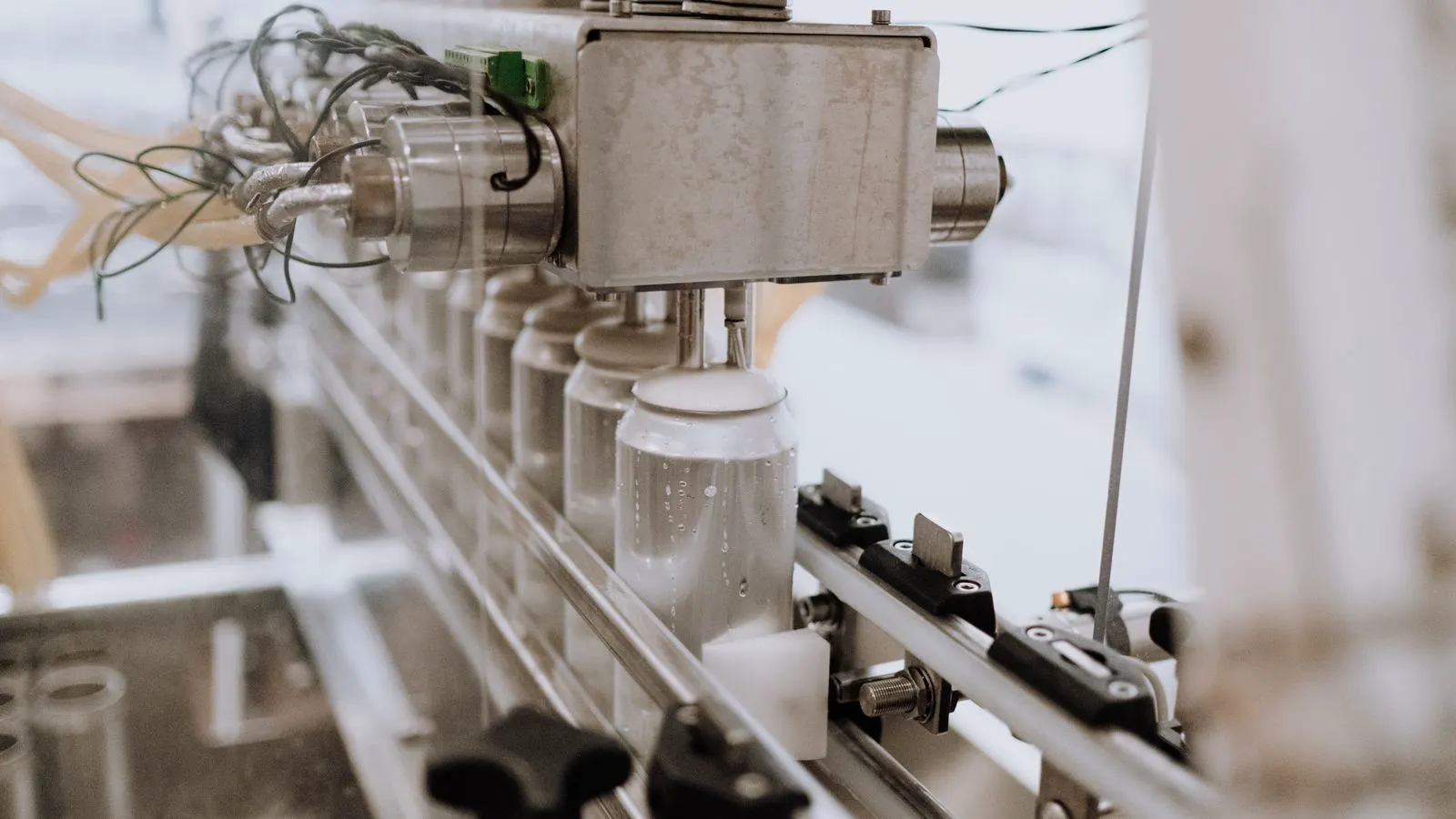
Sensors are the entry point for digitalization in blow molding. Temperature probes, pressure transducers, and vision systems now sit closer to the process than they did a decade ago.
In preform heating, sensors track infrared exposure and wall temperature. In the blow molding step, pressure sensors monitor air injection timing. Mold temperature sensors track mold zone stability. Vision systems check neck rings, wall thickness, and surface defects.
These sensors do more than record data. They feed into control loops. If a preform wall temperature drifts, the heater can adjust before the cycle ends. If mold temperature falls outside a band, the cooling system responds. If a pressure spike appears, the machine can flag the cycle for review.
Buyers should look for sensor placement and data resolution. A machine with many sensors but poor data integration will create noise. A machine with fewer sensors but clean, usable data will serve a plant better.
A practical check is to ask for a sample data log from a similar line. Look for clear timestamps, sensor names, and unit values. If the log is hard to read, the software may be hard to use on the shop floor.
What Software Tools Matter Most for Buyers?
Software in blow molding falls into three groups. Machine-level controls, line-level monitoring, and plant-level analytics. Each serves a different purpose.
Machine-level controls handle setpoints and alarms. Line-level monitoring shows cycle-by-cycle performance and compares machines on the same line. Plant-level analytics pulls data from multiple lines and connects it to scheduling, quality, and maintenance.
Buyers often overestimate the value of plant-level dashboards. A line that cannot control its own cycles will not become stable because of a high-level report. The software must first support the machine.
A useful structure is a local historian on the machine controller. It stores short-term data for troubleshooting. A line server then sends selected data to a central system. This keeps the machine responsive and the enterprise system clean.
When evaluating software, check the user interface. Operators need a screen that shows the current cycle, the last few cycles, and any alarms in plain language. Engineers need deeper views for parameter history and correlation.
| Software Layer | Main Use | Typical Data Sources | Buyer Question to Ask |
|---|---|---|---|
| Machine Control | Setpoints, alarms, cycle logic | Temperature, pressure, cycle time | What data is stored locally and for how long? |
| Line Monitoring | Compare machines and track OEE | Cycle count, reject count, downtime | Can I view data from multiple machines on one screen? |
| Plant Analytics | Scheduling, quality trends, maintenance | Production logs, quality records, maintenance tickets | Does the software export data in standard formats? |
| Predictive Maintenance | Forecast wear before failure | Vibration, motor current, cycle time drift | What failure patterns does the model use? |
How Predictive Maintenance Affects Downtime
Predictive maintenance is one of the clearest benefits of digitalization in hollow container production. Sensors track patterns that appear before a part fails. Motor current may rise before a bearing wears. Vibration may change before a coupling loosens. Cycle time may drift before a heater element degrades.
In blow molding, downtime is costly because the line stops, preforms sit, and the mold cools. A short unplanned stop can create a quality loss as the first cycles stabilize. Predictive maintenance helps the plant schedule work during planned stops.
The tool is not a magic replacement for scheduled maintenance. It works best when maintenance teams use it to confirm wear patterns and prioritize parts. A bearing that shows a clear trend can be replaced at the next planned stop. A part with no trend can stay in service.
Buyers should ask how the predictive tool is trained. A model built on one machine type may not work on another. A model that uses only generic thresholds may flag too many false alarms. The best systems use historical failure data from similar machines.
A practical step is to start with one high-value part. In many lines, the main issue is the preform heater or the mold temperature control loop. If the software can show a trend in that area, the team can test it before expanding to the whole line.
What Data Standards Reduce Integration Costs?
One of the biggest problems in digitalization is data that does not move cleanly between systems. A machine controller may store temperature in degrees Celsius with three decimal places. The line server may store it in a different format. The plant dashboard may show it with a delay. Each gap adds cost and confusion.
Data standards reduce this friction. Buyers should look for open file formats, such as CSV or JSON, and standard tags for sensor values. The machine should be able to export a cycle log without special software. The line server should be able to read that log and pass it on.
A simple test is to ask the supplier for a data export from a live machine. Review it with your own engineers. Check whether the sensor names are clear, whether the timestamps are consistent, and whether the units are correct. If the export is messy, the integration work will be larger than expected.
Another issue is time synchronization. If the machine clock and the plant server clock drift, correlation between cycles and events becomes difficult. NTP or a similar time sync method should be standard on the line server.
Buyers should also think about data ownership. Who can access the data? Who can change setpoints through the software? What happens if the cloud connection is lost? The machine should run locally if the network fails.
How Should Buyers Prepare Existing Lines?
Preparing an existing line for digitalization is a staged process. The goal is not to replace every machine at once. The goal is to add value step by step.
First, document the current state. Record the machine model, control version, sensor list, and common alarms. Take photos of the cabinet layout and the physical wiring. This baseline makes later changes easier to manage.
Next, identify the highest-value data points. For most hollow container lines, the priority is preform temperature, mold temperature, cycle time, and reject reason. These four data points cover the main quality and throughput risks.
Then, add a local data logger or historian if the machine does not have one. This gives the team a place to store data without changing the machine logic. Once the data is stable, connect the line server.
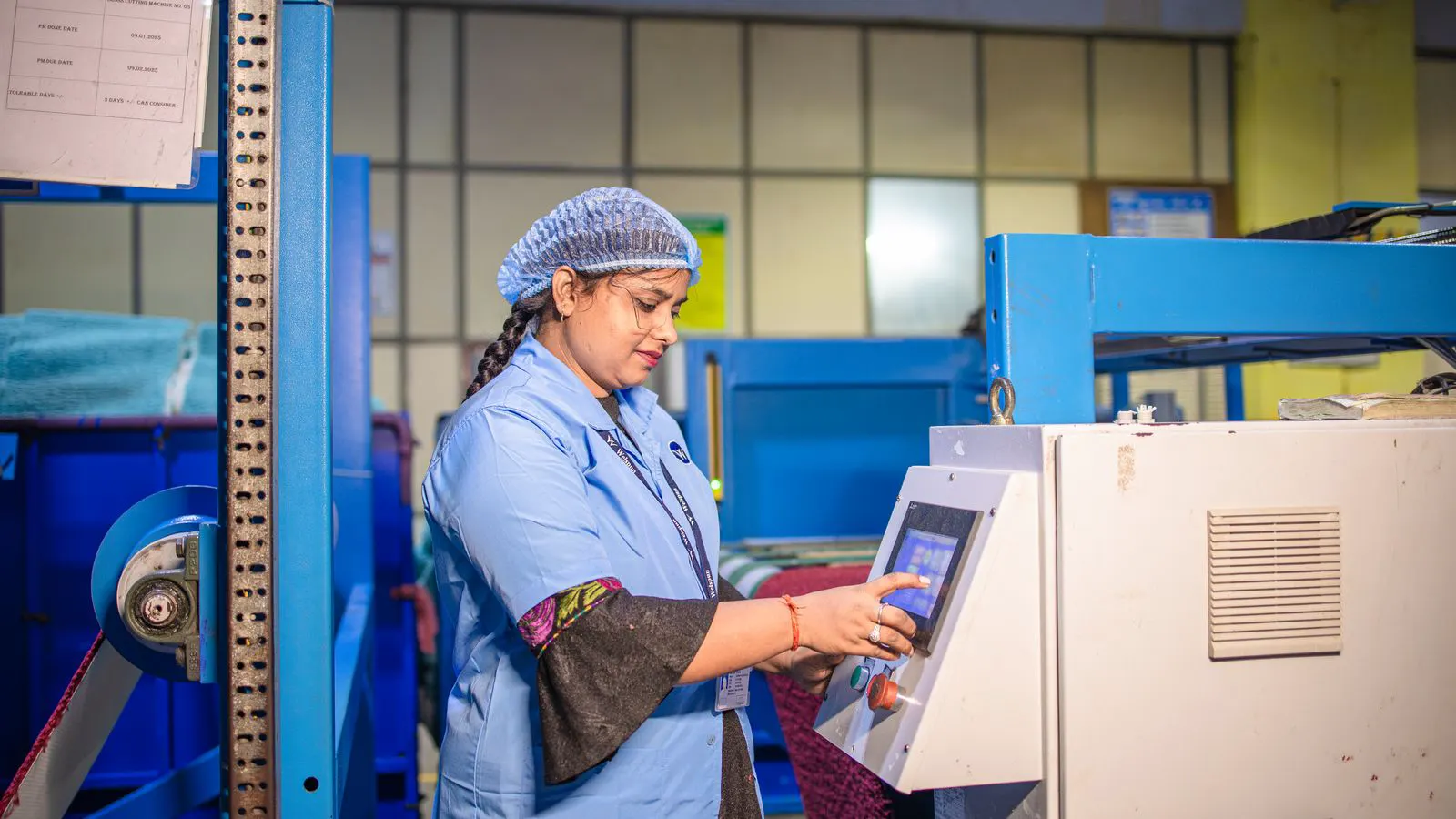
After the line is connected, focus on operator training. Operators who understand the dashboards can catch problems earlier. They can see a temperature drift before it becomes a scrap batch. They can see a cycle time drift before the line slows down.
Finally, plan for maintenance. Digital tools change what parts are worn and when. The maintenance team needs new checklists and new records. A bearing that was replaced every six months may now show a clear trend that allows a longer interval. The maintenance plan should update with the data.
A numbered plan for a single line:
- Inventory the machine sensors, control version, and existing alarms.
- Define the key data points for quality and downtime.
- Add a local historian if the machine does not store enough data.
- Connect the line server and test data export.
- Build a simple dashboard for operators and engineers.
- Train operators on alarms, dashboards, and basic troubleshooting.
- Update the maintenance plan using trend data from the first months.
- Review the data after three months and adjust the model.
The first line should be chosen for value and stability. A line that already runs well will show the benefits of data faster. A line with chronic problems will reveal the limits of software before the team is ready.
What to Watch in the Next Phase of the Blow Molding Outlook
The blow molding outlook will continue to move toward connected lines. The next phase will focus on closing the loop between data and action. Sensors will not just report. They will adjust. Software will not just display. It will recommend.
Buyers should watch for more integrated control packages. A package that combines preform heating, blow molding, and mold cooling in one control environment will make it easier to optimize the whole cycle. The goal is to reduce the gap between the preform and the finished container.
Another trend is quality-by-design. Instead of inspecting every part, the system will use process data to predict whether a part will pass. If the preform temperature, mold temperature, and pressure are within a known good range, the system can flag the batch as high confidence. This reduces inspection load without lowering quality.
The key for buyers is to stay practical. Digitalization works when it solves a real problem on the line. It fails when it adds complexity without value. Start with the data that matters, use it to make the line more stable, and expand from there.
The hollow container production floor is becoming a data-driven environment. The machines are still the core of the process, but the software and sensors are now part of the machine. Buyers who prepare now will have smoother lines, better quality, and a clearer path to the next stage of production.
Frequently asked questions
What is the most important data to collect on a blow molding line?
Preform temperature, mold temperature, cycle time, and reject reason are the highest-value data points. These cover the main risks in hollow container production.
Can digitalization replace scheduled maintenance?
No. Digital tools help predict wear and prioritize parts, but scheduled maintenance remains necessary. The data helps set better intervals, not eliminate them.
How do I know if my existing machine is ready for digital upgrades?
Check whether the machine stores cycle data locally and whether the control system can export it in a standard format. If the data is available, upgrades are easier.
What is the best first step for a plant?
Start with one stable line and add a local historian or data logger. Collect data for a few cycles, then build a simple dashboard for operators and engineers.
Do I need cloud software for digitalization?
Not necessarily. A local server can store and display line data. Cloud access is useful for remote monitoring, but the machine should run without it.