Blow Molding Materials: Match Resins to Container Needs
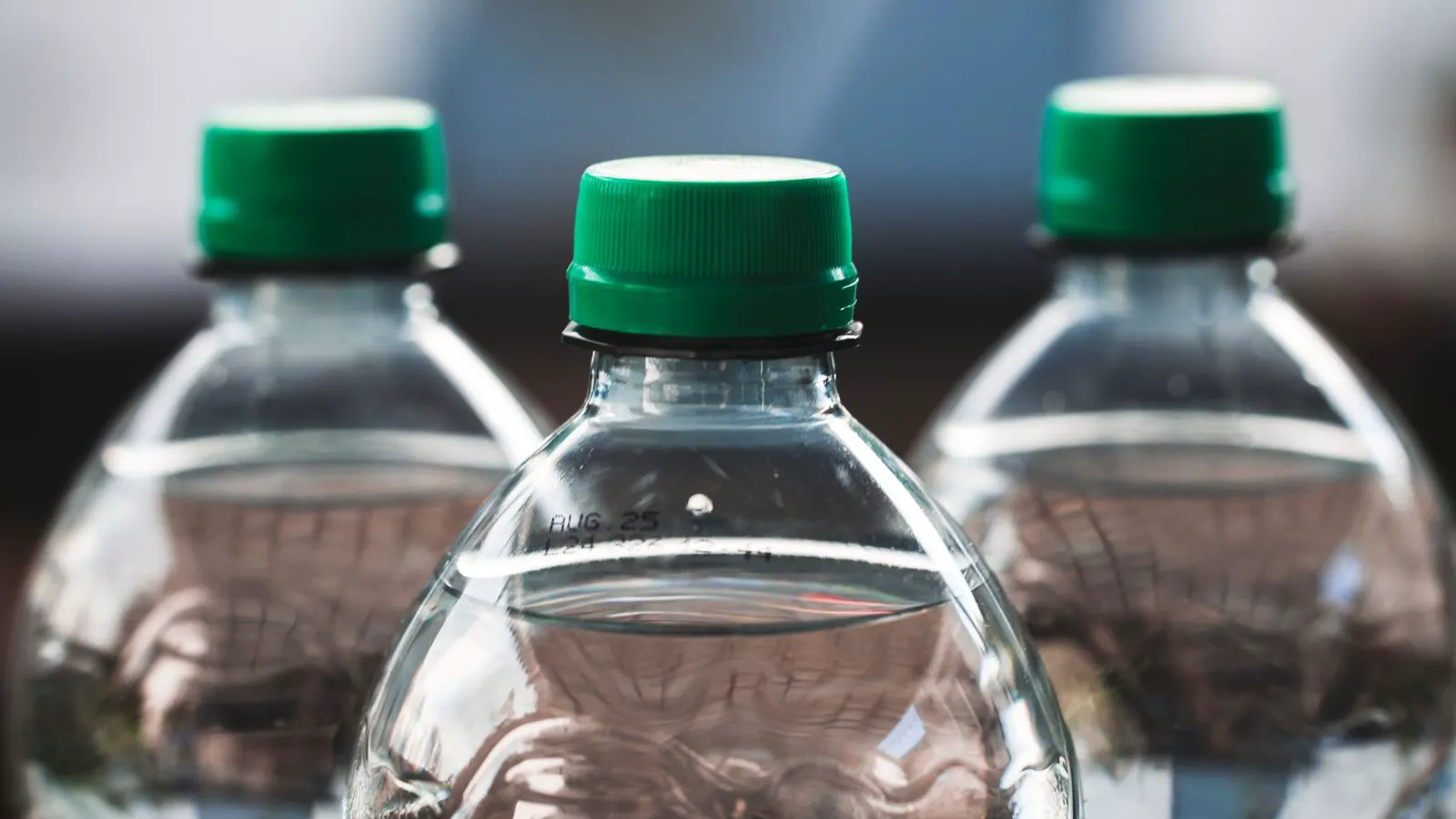
Choose blow molding materials by matching resin properties to container function, process window, and end-use requirements. Polypropylene suits rigid, reusable goods. PET handles carbonated beverages. Match the material to the part design and filling process to avoid defects and waste.
- Match the resin to the container function. Rigid reusable bottles need different properties than single-use beverage vessels.
- Always verify the resin datasheet against your machine's actual melt temperature and cooling conditions.
- Use the audit checklist below to catch material errors before they become scrap or recalls.
- Do not assume a generic resin grade will work. Specify the grade, lot, and processing conditions.
Start With the Container Function
The first decision in material selection is the container function. A beverage bottle, a detergent jug, and a medical vial all look like blow molded parts, but they demand different material behavior. The resin must survive the forming process, perform in service, and meet the regulatory and aesthetic requirements of the end market.
Ask what the container will hold, how it will be handled, and how long it must last. A carbonated drink bottle needs a barrier to gas. A cosmetic jar needs a clear, scratch-resistant surface. A food-grade jug needs a material that does not migrate into the product. The function defines the material.
Consider the thermal environment as well. A hot fill container for salad dressing or a sauce will face liquid temperatures well above ambient during filling. The material must not soften or distort at that temperature. A container for frozen food faces the opposite stress. Low temperatures can embrittle some polymers, causing cracks during handling or filling.
Handling stress is another factor. A jug lifted by a handle must flex without cracking. A bottle placed in a retail display case must resist the weight of the stack. A container used in a washing machine must withstand repeated thermal cycling and mechanical abrasion. These physical demands narrow the choice of resin before any aesthetic or cost considerations enter the equation.
Finally, consider the shelf life. A container that holds a product for six months behaves differently than one that holds a product for two years. Over time, gas transmission, moisture uptake, and chemical migration become measurable problems. A material that passes a short-term test may fail during extended storage. The intended lifespan dictates the barrier and stability properties required.
Match the Resin to the Part Design
Not every resin works for every shape. Wall thickness, cavity geometry, and cooling time all influence material choice. Thick walls in a jug create long cooling cycles and risk warpage. Thin walls in a bottle allow faster cycles but demand tighter control over stretch and pressure.
Consider the mold itself. A complex bottle with a ribbed body, a thin neck, and a thick base needs a resin that flows well at low temperatures and holds detail. A simple spherical container tolerates more material variation. The mold design and the resin must work together. If the part geometry is tight, select a resin with a narrow melt flow range and proven performance in that specific mold.
Wall thickness variation is a primary driver of material selection. Blow molding creates parts with intentional thickness changes to reduce weight and improve stiffness. A bottle might have a thin wall in the body and a thick wall in the base. The material must cool uniformly despite these differences. If the resin cools too quickly, the thin sections may trap air or cause surface defects. If it cools too slowly, the thick sections may warp as they shrink.
Cavity geometry affects flow behavior. Narrow necks and intricate ribs require resins with good flow properties at the processing temperature. If the resin is too viscous, it will not fill the narrow sections completely, leading to short shots. If the resin is too fluid, it may cause excessive stretching during the blow molding cycle, resulting in thin spots or breakage.
Cooling time is another critical factor. Thick-walled parts require longer cooling times to solidify the walls without residual stress. This increases the cycle time and reduces production speed. Thin-walled parts cool faster but may be more sensitive to temperature fluctuations in the mold. The material must be selected to match the cooling profile of the specific part.
Compare Common Blow Molding Materials
The table below summarizes the most common resins used in blow molding. Each option has strengths and limits.
| Material | Typical Use | Key Strength | Main Limitation |
|---|---|---|---|
| Polypropylene (PP) | Rigid jugs, reusable bottles, caps | Low cost, good chemical resistance, easy to process | Low impact strength at cold temperatures, limited clarity |
| Polyethylene terephthalate (PET) | Carbonated beverages, water, sauces | High clarity, good barrier, lightweight | Higher cost, sensitive to moisture and heat |
| Polyethylene (PE) | Detergent jugs, milk bottles, flexible parts | Low cost, flexible, good impact resistance | Low gas barrier, can warp under heat |
| Cyclic olefin polymer (COP) | High-clarity bottles, cosmetics | Crystal clarity, low moisture absorption | Higher cost, limited processing window |
| Polybutylene terephthalate (PBT) | Specialty containers, hot fill | Good chemical resistance, dimensional stability | Limited availability, higher cost |
Polypropylene is the workhorse of rigid blow molding. It is inexpensive and easy to process. However, its clarity is low, and it can become brittle at low temperatures. This makes it suitable for detergent jugs and caps, but less suitable for clear beverage bottles.
Polyethylene terephthalate is the standard for clear containers. It offers high clarity and good gas barrier properties. It is widely used for carbonated beverages and water. However, it is more expensive than PE or PP, and it is sensitive to moisture and heat. Long-term storage in high temperatures can reduce its barrier performance.
Polyethylene is the most common material for flexible containers. It is inexpensive and has good impact resistance. It is ideal for detergent jugs and milk bottles. However, it has a low gas barrier, which makes it unsuitable for carbonated drinks. It can also warp under heat, which is a concern for hot fill applications.
Cyclic olefin polymer offers crystal clarity and low moisture absorption. It is used for high-end cosmetic and beverage bottles. However, it is more expensive than PET and has a limited processing window. The resin is sensitive to temperature and pressure, requiring precise control during the forming process.
Polybutylene terephthalate is a specialty material used for hot fill applications. It offers good chemical resistance and dimensional stability. It is more expensive than PET and PP, and its availability is more limited. It is often chosen for containers that require high temperature resistance and long-term stability.
Process Window and Machine Conditions
The resin must fit the machine. Blow molding machines have specific temperature and pressure limits. The melt must be hot enough to stretch and fill the mold, but not so hot that it degrades or causes discoloration. The cooling must be uniform to prevent warpage and residual stress.
Check the resin datasheet for melt flow index, heat deflection temperature, and recommended processing temperatures. Compare those numbers against your machine settings. If the resin requires a melt temperature above your machine’s maximum, the part will not form correctly. If the cooling time is too short, the part will warp on the cooling rack.
The melt flow index is a measure of the resin’s viscosity at a specific temperature. A low MFI indicates a higher viscosity, which is better for parts with fine details and tight tolerances. A high MFI indicates a lower viscosity, which is better for parts with thick walls and fast cycle times. Matching the MFI to the part design is critical. If the MFI is too low, the resin may not flow into the mold cavity properly. If the MFI is too high, the resin may flow too quickly and cause excessive stretching.
Processing temperature is another key parameter. The melt must be hot enough to deform without cracking. However, if the temperature is too high, the resin may degrade, causing discoloration or loss of mechanical properties. The recommended processing temperature range on the datasheet is a starting point. Adjustments may be needed based on the specific machine and part design.
Cooling is equally important. The cooling time must be long enough to solidify the walls without residual stress. If the cooling time is too short, the part may warp as it cools on the cooling rack. If the cooling time is too long, the cycle time increases, reducing production speed. The cooling profile must be uniform to prevent warpage and residual stress.
A mismatch between material and machine shows up in the defects. Viscous flow, poor stretch, or surface defects are early signals that the resin does not fit the process. Adjusting the resin grade is often more effective than adjusting machine settings.
Regulatory and End-Use Requirements
Food, beverage, and pharmaceutical containers face strict regulatory requirements. The material must be approved for the intended use. It must not leach into the product. It must pass migration testing. The supplier must provide certificates of analysis and compliance documents.
For food-grade applications, use resin grades that are specifically certified for contact with the product. A generic industrial grade may pass mechanical tests but fail migration or flavor retention tests. Always ask the resin supplier for the relevant compliance documents and keep them in the material file.
For non-food applications, the requirements are broader but still specific. A detergent jug must resist the chemical load. A cosmetic jar must meet aesthetic standards. A medical container must meet sterility and material purity requirements. The end use defines the specification.
Migration testing is a critical step for food contact materials. It measures the amount of chemical substances that can migrate from the plastic to the food. Different chemicals are tested at different temperatures and pH levels. The results must meet the limits set by regulatory bodies. If a resin fails migration testing, it cannot be used for food contact, regardless of its mechanical properties.
Flavor retention is another concern for food and beverage containers. Some materials can absorb flavors from the product or release their own flavors into the product. This can affect the taste and aroma of the final product. Resin suppliers often provide data on flavor retention for specific applications.
For pharmaceutical containers, the requirements are even stricter. The material must not react with the active pharmaceutical ingredient. It must maintain the stability of the product over its shelf life. It must meet sterility and purity requirements. The material must pass specific tests for extractables and leachables.
Cost and Supply Considerations
Material cost is only part of the total. Consider the supply chain, the grade availability, and the processing cost. A cheap resin that creates high scrap rates is more expensive than a premium resin that forms cleanly. A resin that is hard to source creates production risk.
Track the total cost of ownership. Include the cost of the resin, the cost of energy, the cost of scrap, and the cost of rework. A material that requires longer cooling cycles or higher pressure increases the cost per part. A material that forms cleanly and quickly reduces the cost per part.
Also consider the supply. Some resins are produced in limited volumes. Some are tied to specific suppliers. If your production run is large, confirm that the supplier can deliver the required volume at the required quality. If your production is small, confirm that the supplier has a safety stock.
Energy costs are a significant factor. Materials that require higher processing temperatures or longer cooling times increase energy consumption. This adds to the cost per part. When comparing materials, calculate the energy cost per part, not just the resin cost.
Scrap rates are another key factor. A material that forms poorly may result in a high scrap rate. This increases the cost of raw materials and labor. A material that forms cleanly may have a higher resin cost but a lower total cost due to reduced scrap and rework.
Supply chain stability is also important. If a material is produced by a single supplier, any disruption in supply can halt production. If a material is produced by multiple suppliers, there is more flexibility. When selecting a material, consider the number of suppliers and their geographical locations.
Price volatility is a risk to consider. Resin prices can fluctuate based on raw material costs and market demand. A material with a stable price is preferable for long-term production. A material with a volatile price can make budgeting difficult.
Audit Checklist for Blow Molding Materials
Use the checklist below to verify that your material selection is correct. Review it before starting a new production run and after any change in resin, machine, or mold.
-
Function Check
- Confirm the container function. What will it hold, how will it be handled, and how long must it last.
- Verify that the resin meets the function. A beverage bottle needs a barrier. A detergent jug needs chemical resistance.
- Red flags: Using a generic resin for a food or pharmaceutical application. Using a low-barrier resin for carbonated beverages.
-
Design Match
- Confirm the part geometry. Wall thickness, cavity shape, and cooling time.
- Verify that the resin flows and cools well in that geometry.
- Red flags: Warpage on thick walls. Poor fill in thin sections. Surface defects on complex shapes.
-
Process Window
- Confirm the melt flow index and recommended processing temperature.
- Compare against your machine settings.
- Red flags: Viscous flow. Poor stretch. Discoloration. Machine overheating.
-
Regulatory Compliance
- Confirm the regulatory requirements for the end use.
- Verify that the resin is approved for contact with the product.
- Red flags: Missing certificates of analysis. Missing migration test results. Using a non-food grade resin for food contact.
-
Cost and Supply
- Confirm the total cost, including scrap and rework.
- Verify supply availability.
- Red flags: High scrap rate. Supply delays. Price volatility.
Frequently asked questions
Can I use the same resin for a beverage bottle and a detergent jug?
No. Beverage bottles need gas barrier and clarity. Detergent jugs need chemical resistance and impact strength. The functions are different, so the resin must be different.
What is the best material for a carbonated drink bottle?
PET resin is the standard for carbonated beverages. It provides the gas barrier and clarity needed to keep the drink fizzy and the bottle transparent.
How do I know if my resin is compatible with my machine?
Compare the resin datasheet to your machine settings. Check the melt flow index, recommended processing temperature, and cooling time. If the numbers do not match, test a small batch.
Do I need a different resin for hot fill applications?
Yes. Hot fill requires a resin that can withstand high temperatures without deforming or losing its properties. PBT and some specialty PET grades are common choices for hot fill.
How do I handle material changes during production?
Always follow the change control procedure. Verify the new resin lot, re-run the audit checklist, and check the first few parts for defects. Do not start a full production run without confirmation.