Single vs Twin Screw Extruders: Matching Throughput to Profile Complexity
Single screw extruders suit high throughput and simple profiles, while twin screw extrusion handles complex shapes and blends. Choose based on material stability, die pressure, and required output volume.
- Single screw designs prioritize speed and lower maintenance for uniform materials.
- Twin screw units manage high shear, blends, and complex geometries better.
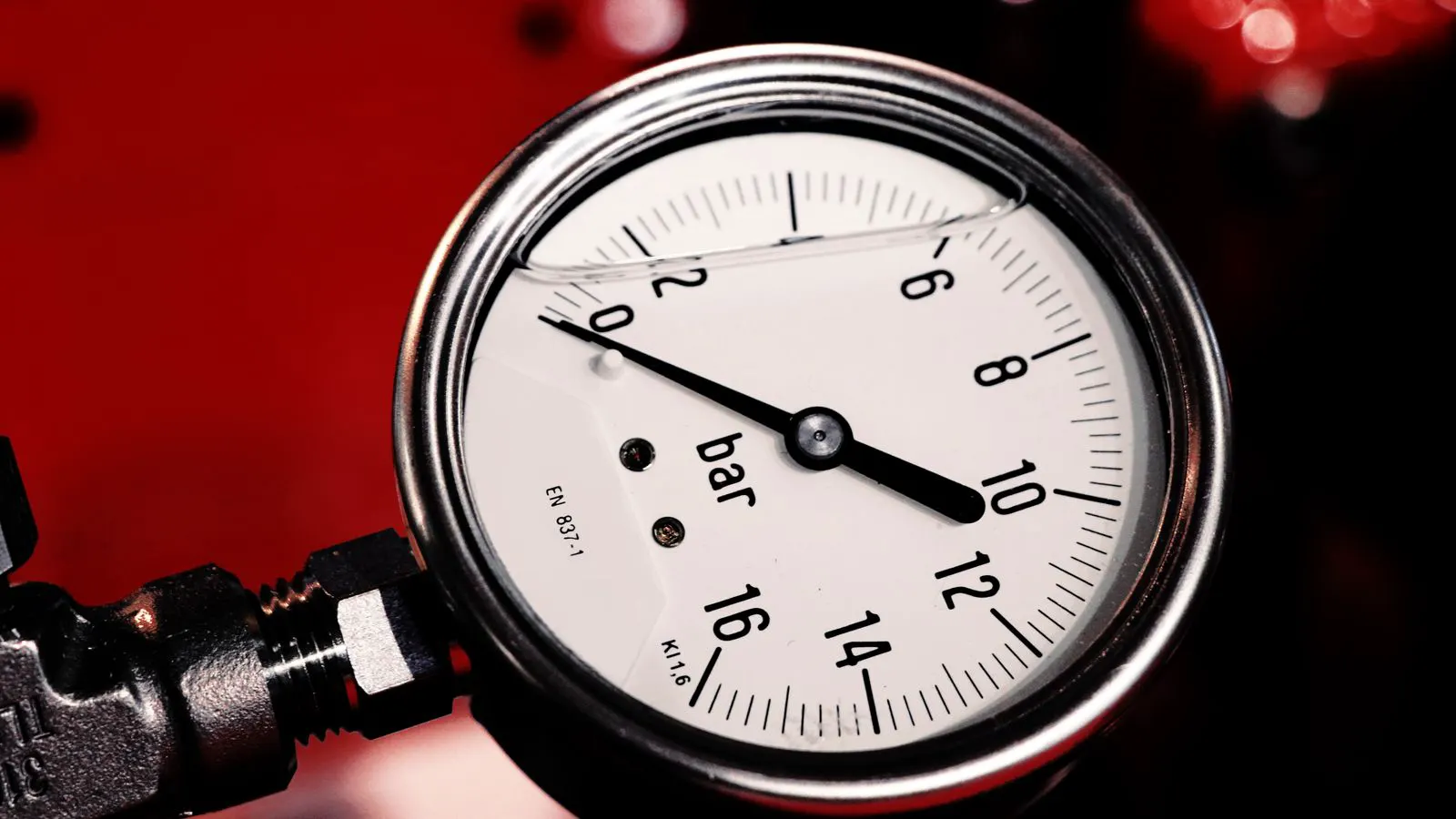
- Die pressure and melt stability are key decision factors for profile work.
- Match machine throughput to the specific cross-sectional area of the part.
- Maintenance costs and operator training differ significantly between the two types.
Why Profile Complexity Drives Extruder Selection
The choice between single and twin screw extrusion depends on how the material behaves under shear and how the final shape holds its dimensions. A simple round tube and a hollow window frame are not just different shapes. They impose different demands on melt flow, cooling, and die design.
Buyers often focus on the number of screws before checking the material. This is a common mistake. A high throughput single screw line can struggle with a complex profile if the melt pressure drops. Conversely, a twin screw machine may be overkill for a simple extrusion task, increasing energy use and maintenance frequency.
The decision rests on three variables. First is the material. Second is the geometry of the part. Third is the required production rate.
Understanding the Core Differences
Single screw extruders use one long flighted screw to pump the material. The design is mechanically simpler. There are fewer moving parts inside the barrel. This keeps maintenance intervals longer and reduces the risk of bearing wear. The barrel typically features a standard flighted screw that moves material from the hopper to the die in a single, continuous stream. For many standard polymers, this linear motion provides sufficient mixing and heating. The material melts in the barrel through friction and external heating coils. The result is a stable, homogeneous melt that moves predictably to the die face.
Twin screw extrusion uses two intermeshing screws. One can be a feeding screw and the other a mixing screw. This configuration creates higher shear rates and more mixing. It is better for compounding, regrind blending, and materials that are sensitive to degradation. The intermeshing action forces material to change direction frequently. This action breaks up aggregates and ensures that each part of the melt experiences similar processing conditions. In a twin screw barrel, the material does not just move forward. It circulates. This circulation is the primary advantage for blends and reactive materials.
The table below compares the two approaches for profile production.
| Option | Best for | Limitations |
|---|---|---|
| Single Screw Extruder | High throughput, simple profiles, stable materials | Poor handling of high viscosity, complex blends, or reactive materials |
| Twin Screw Extruder | Complex profiles, compounding, regrind blending, high shear materials | Higher maintenance, more complex feed system, higher cost |
| Twin Screw with Feed Screw | High throughput blending, consistent melt quality | Increased barrel length, higher energy consumption |
| Single Screw with Side Feed | Adding pigments or additives to masterbatch | Limited mixing efficiency, potential for streaking |
| Twin Screw with Cooling Barrels | High viscosity materials, stable melt temperature | Higher capital cost, complex barrel setup |
Matching Throughput to the Profile
Throughput is not just about how fast the screw turns. It is about how much material passes through the die in a given time. A large window profile requires more material per meter of product than a thin wire. The volume of the cross-section dictates the pumping power required to maintain a steady flow. If the profile is thin and long, the die area is small, and the pressure drop is low. If the profile is thick and complex, the die area is large, and the pressure drop is significant.
Single screw extruders are efficient at high volumes. The long flighted screw provides strong pumping power. If the material is stable and the profile is simple, this design reaches high output with less energy per unit. The mechanical efficiency of a single screw is high because the material travels in a straight path. There is less friction loss compared to the swirling motion inside a twin screw barrel. For high-volume production of simple shapes, this efficiency translates to lower operating costs.
Twin screw machines can also run at high speed. However, the intermeshing action creates more turbulence. This is useful for mixing but can introduce air bubbles if the feed is not managed. For thick profiles, the pressure drop across the die can be significant. Twin screw designs handle this pressure variance better than single screw units. The mixing zone acts as a buffer. It equalizes the melt temperature and viscosity before the material reaches the die. This stabilization helps maintain a consistent flow rate even if the feed rate fluctuates slightly.
When selecting a machine, look at the die area. Larger areas need higher pressure to push the melt through. Single screw extruders may hit a pressure ceiling earlier. Twin screw units maintain pressure more consistently during the melt phase. This consistency is critical for complex profiles where the melt must flow into deep cavities or around internal ribs. If the pressure drops, the melt may not fill the die completely, leading to short shots or voids.
Material Behavior and Melt Stability
Not all plastics behave the same way in an extruder. Polyethylene and polypropylene are relatively stable. They can be processed in a single screw line without much degradation. These materials have high melting points but low sensitivity to thermal decomposition within the standard processing range. They flow well at moderate temperatures and do not require aggressive mixing to maintain quality. A single screw extruder can handle these materials with ease. The melt remains stable throughout the barrel length.
Polycarbonate and polyamide are more sensitive to heat and shear. They can degrade if they spend too long in the barrel. Twin screw extrusion reduces the residence time. The material moves faster through the mixing zone. This keeps the melt stable and prevents discoloration. The shorter residence time is a key advantage. In a single screw barrel, material can linger in the hot zones near the barrel wall. In a twin screw barrel, the intermeshing action moves the material quickly to the die. This rapid transit reduces the exposure to high temperatures. For heat-sensitive materials, this protection against degradation is essential.
Blends are another factor. If you are mixing a base polymer with a regrind or a filler, a single screw line can create a non-uniform melt. You might see streaks or color variation in the final profile. The mixing action in a single screw is primarily convective. It relies on the material being pumped and heated. It does not actively break down aggregates. In a twin screw line, the mixing action is shear-based. The intermeshing screws create high shear rates that break down aggregates and distribute additives evenly. This ensures that the final melt is homogeneous.
Check the specific heat degradation. If the material starts to smell or change color at high temperatures, a twin screw design is safer. It keeps the material moving and reduces the time it spends at peak temperature. For materials with a narrow processing window, the twin screw design provides a safety margin. It allows the processor to run at higher temperatures without risking degradation, because the material spends less time in the hot zone.
Die Pressure and Profile Quality
The die is where the profile takes shape. The pressure inside the die determines how the material flows. Too much pressure can cause warping. Too little pressure can lead to surface defects. The die geometry must match the machine capability. A complex die with multiple cavities requires a machine that can maintain stable pressure across the entire cross-section.
Single screw extruders provide steady pressure. This is good for uniform profiles. However, if the profile has complex channels or thin walls, the pressure can vary across the cross-section. This can cause dimensional instability. The melt may flow faster into the thinner sections and slower into the thicker ones. This differential flow rate can lead to residual stresses in the final product. These stresses can cause warping during cooling.
Twin screw extrusion offers more control. The mixing action helps distribute the melt evenly. This is critical for profiles with multiple cavities or varying wall thicknesses. The melt is more consistent when it reaches the die. The twin screw design acts as a pump and a mixer. It ensures that the melt entering the die has a uniform viscosity and temperature. This uniformity translates to better dimensional stability in the final profile.
Monitor the die pressure during startup. Fluctuations in pressure can indicate a problem with the melt or the die design. A stable pressure reading suggests the machine and die are working together well. If the pressure fluctuates, check the feed system for air entrainment. Also, check the die temperature. Uneven heating can cause pressure drops in certain areas. A twin screw machine makes these issues easier to diagnose because the melt is more consistent. If the pressure drops, it is likely due to the die or the cooling system, not the melt itself.
Maintenance and Operating Costs
Single screw extruders are cheaper to maintain. There are fewer screws to inspect. The bearings and flights wear slowly. Routine cleaning is straightforward. The barrel and screw are simpler to remove and clean. There is only one screw to inspect for wear. The maintenance schedule is predictable. The intervals between cleaning and inspection are longer. This reduces downtime for the production line.
Twin screw extruders have more parts to clean. The intermeshing screws can trap material. Cleaning requires more time and care. If the material is sticky or high viscosity, the cleaning process can be more difficult. The intermeshing area is a dead zone where material can accumulate. This accumulation can cause issues if not removed. The cleaning process may require specialized tools and more labor hours. The labor cost is a significant factor in the total operating cost.
Labor costs are higher for twin screw lines. Operators need to understand the feeding system and the mixing zone. Training is required to avoid introducing air or degrading the material. Operators must monitor the feed rate and the mixing screw speed. They must understand how these settings affect the melt quality. This additional complexity requires a more skilled workforce. The training cost is part of the total cost of ownership.
Consider the total cost of ownership. A twin screw machine may have a higher initial price. But if it allows you to process more difficult materials or produce more complex profiles, the long-term value can be higher. The higher maintenance cost is offset by the ability to produce higher quality products. The ability to process heat-sensitive materials without degradation increases the yield. The ability to produce complex profiles increases the market value of the product. These benefits can outweigh the higher operating costs.
Choosing the Right Configuration
Start with the material. If it is a simple, stable polymer, a single screw extruder is likely the best fit. It will give you high throughput and low maintenance. The mechanical efficiency of the single screw design is well suited to high-volume production. The low maintenance cost makes it attractive for long-term operation.
If the material is a blend or sensitive to heat, move to a twin screw design. The mixing capability will improve quality. The reduced residence time will protect the material. The twin screw design is the standard choice for compounding. It is also the standard choice for heat-sensitive engineering plastics. The ability to control the residence time is a key feature.
Next, look at the profile. Simple shapes favor single screw. Complex shapes with varying wall thicknesses favor twin screw. The die design must match the machine capability. A complex die requires a machine that can maintain stable pressure. A simple die can work with a machine that has less mixing capability. The die design is a critical factor in the selection.
Finally, check the throughput requirements. If you need high volume, ensure the single screw has enough pumping power. For twin screw units, check the feed system to ensure a steady supply of material. The feed system must be able to keep up with the mixing screw speed. If the feed system is weak, the machine will starve. Starvation can cause air entrainment and melt quality issues. The feed system is a critical part of the twin screw design.
Final Selection Criteria
The decision is not about which machine is better. It is about which machine fits the job. A single screw extruder is a workhorse for simple tasks. A twin screw extruder is a precision tool for complex ones. The selection must be based on the material, the profile, and the throughput.
Review the die pressure data from similar production runs. Check the melt temperature profiles. Evaluate the cleaning time for your specific material. These practical checks will guide the selection. The data from similar runs is the most reliable indicator of performance. The melt temperature profiles show how the material behaves in the barrel. The cleaning time shows the maintenance burden. These factors are often overlooked in the initial selection.
Match the machine to the profile. Do not buy a twin screw unit just because it is a new technology. Buy it because the material or the shape requires it. A well-matched single screw line can outperform a poorly chosen twin screw system. The goal is to find the balance between capability and cost. The best machine is the one that meets the requirements with the least waste.
Frequently asked questions
What is the main difference in throughput between single and twin screw extruders?
Single screw extruders typically achieve higher throughput for simple profiles due to strong pumping power. Twin screw units can match this speed but may be more sensitive to feed consistency.
When should I choose a twin screw extruder for profile production?
Choose a twin screw design when processing blends, regrinds, or heat-sensitive materials. It is also better for complex profiles that require consistent melt quality.
How does profile complexity affect extruder selection?
Complex profiles with varying wall thicknesses create uneven flow. Twin screw extrusion helps distribute the melt more evenly, reducing the risk of defects.
Is a twin screw extruder always better for mixing?
Yes, for most blending applications. The intermeshing action provides more mixing than a single screw. However, the cleaning time is longer.
What should I check before buying a single screw extruder for a new profile?
Check the die pressure requirements. Ensure the screw has enough pumping power to push the material through the die at the required speed.