Injection Molding Machines
Electric vs Hydraulic Molders: Efficiency
Electric injection molding machines typically offer lower long-term operating costs and simpler maintenance than hydraulic models. They convert electrical energy
Understand injection molding machine selection, tonnage, and design factors for producing complex plastic parts efficiently.
Electric injection molding machines typically offer lower long-term operating costs and simpler maintenance than hydraulic models. They convert electrical energy

Upgrading to servo injection molding equipment changes cost and lead time. Price depends on machine size, control scope, and integration. Lead time depends on factory
A practical injection mold cooling checklist for verifying machine and mold cooling system sizing, maintenance, and control settings. It covers coolant flow

Injection molding is a manufacturing method that melts plastic pellets and forces them into a mold cavity using high pressure. The process follows a strict cycle from

This audit checklist helps buyers verify clamping force and tonnage before purchasing an injection molding machine. It covers plate size, pressure calculations, and

A mold temperature control system manages heat transfer to the tooling, directly affecting part dimensions, cycle speed, and surface finish. Buyers should evaluate pump

Use a step-by-step method to calculate injection molding cycle time by summing machine operations, material cooling, and setup allowances. This approach helps production
Servo-driven hydraulic systems are replacing fixed-displacement pumps, enabling faster response, lower energy use, and tighter dimensional tolerances. For buyers, the
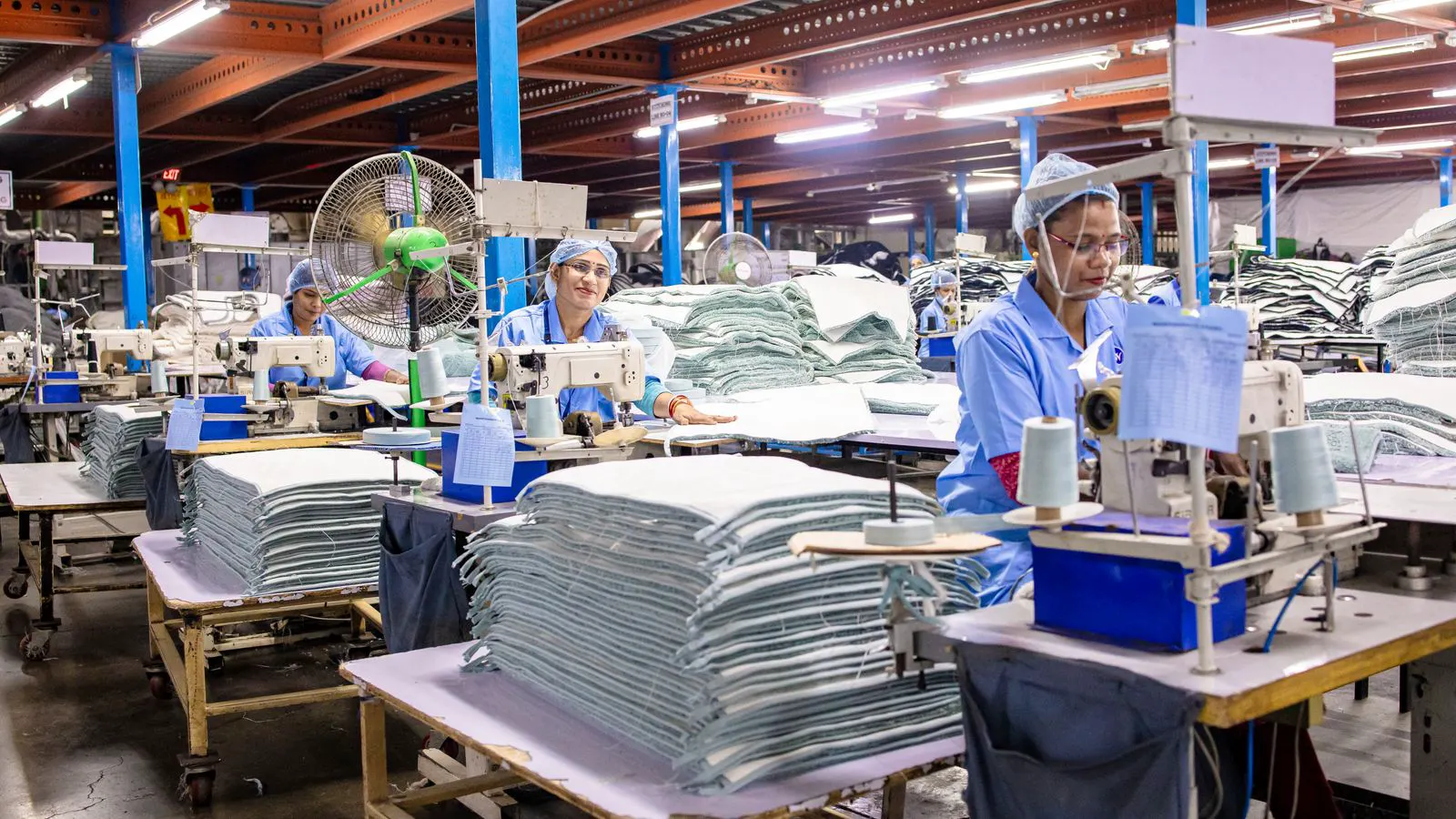
A single vs dual screw injection molder decision depends on production volume and material complexity. Dual screws increase throughput and allow multi-material runs
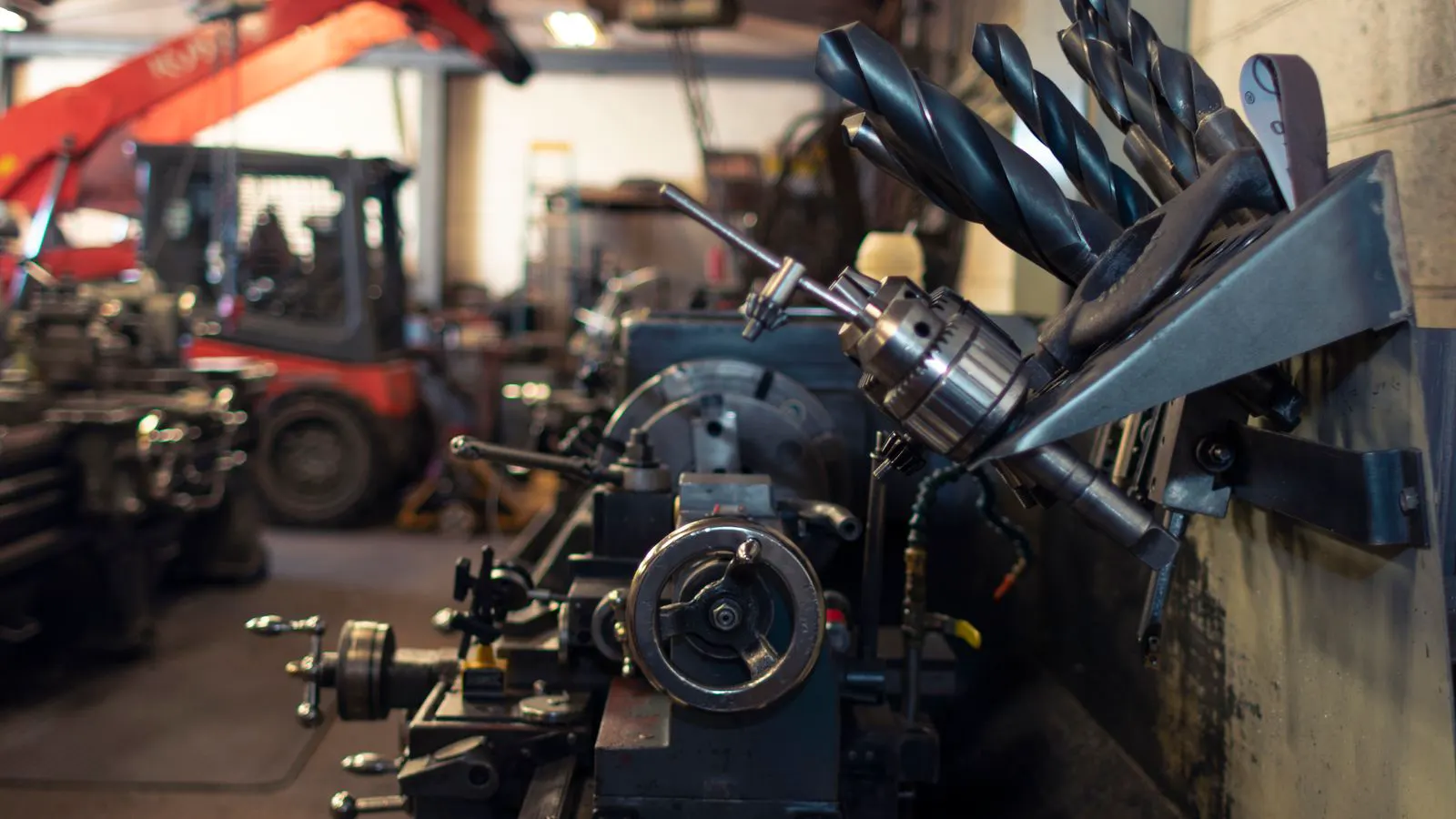
Machine choice determines cycle time, energy use, and maintenance frequency. By evaluating injection molding machine specs against part requirements, buyers can lower
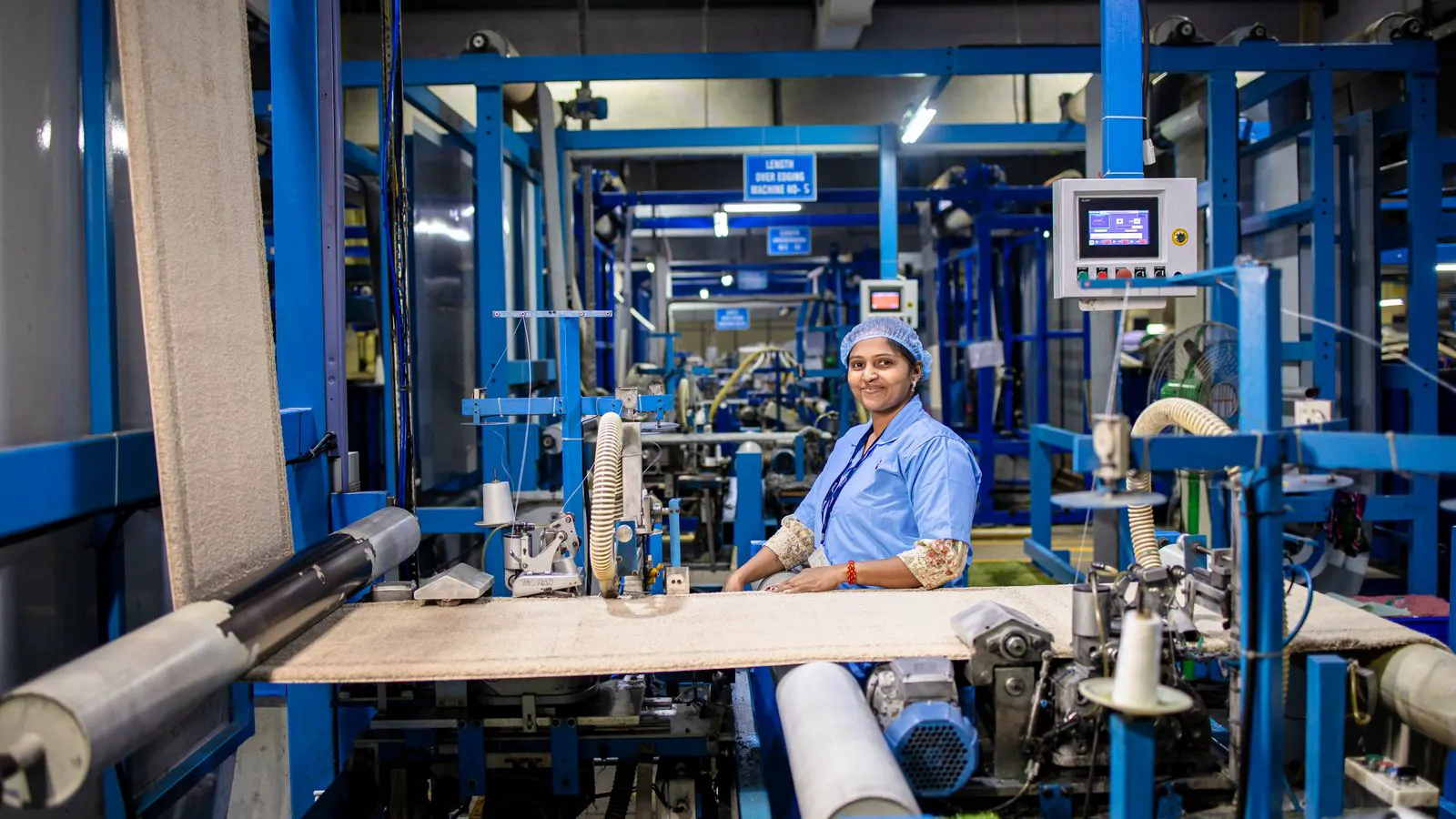
This guide outlines a practical framework for evaluating injection molding machines. It covers clamping force, tonnage, power unit selection, and mold compatibility. It
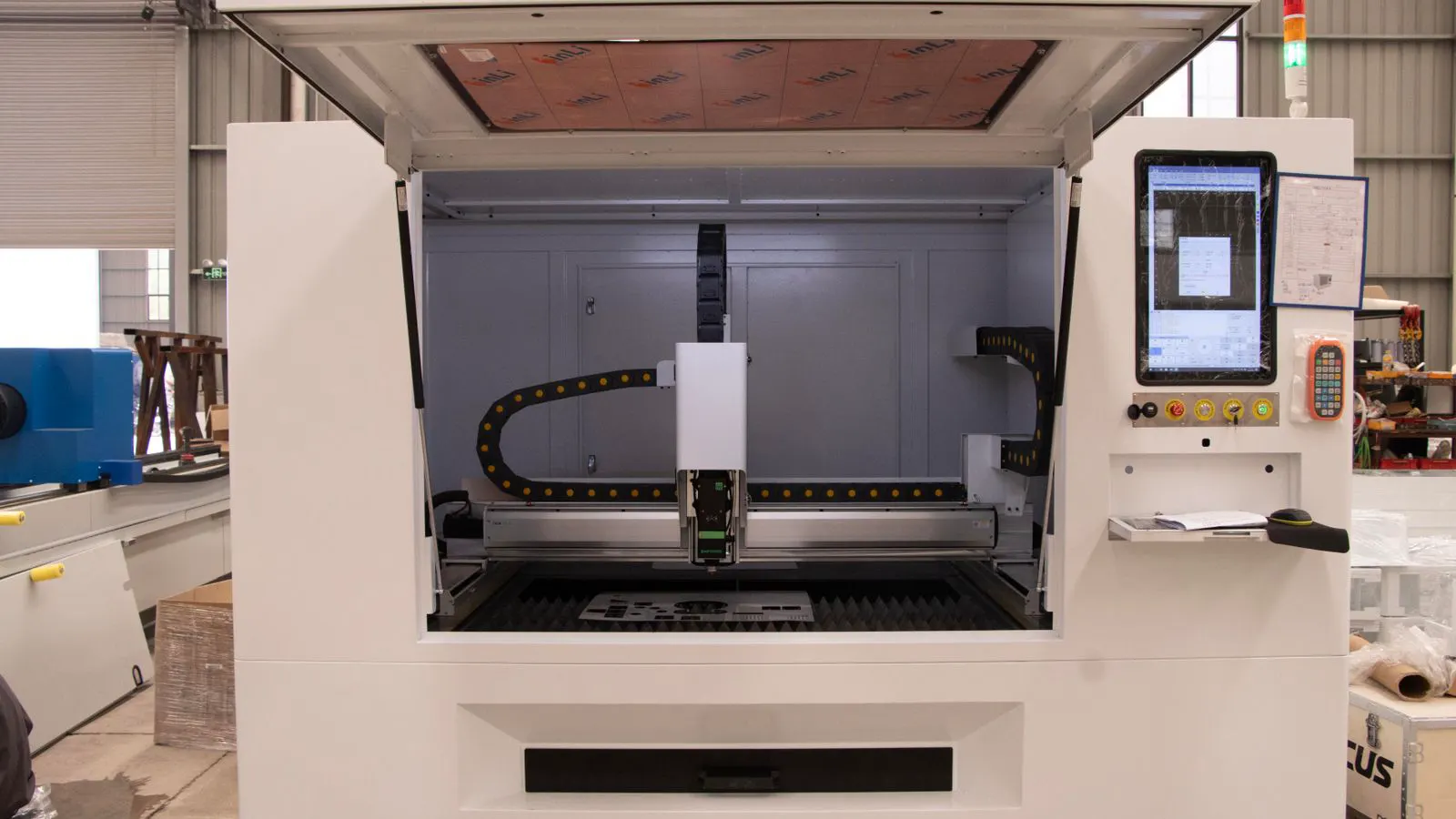
Energy efficiency is shifting from an optional upgrade to a core selection criterion for new injection molding machines. This article outlines five practical shifts