Electric vs Hydraulic Molders: Efficiency
Electric injection molding machines typically offer lower long-term operating costs and simpler maintenance than hydraulic models. They convert electrical energy directly into motion, reducing energy losses. Hydraulic machines can be cheaper to buy initially but often carry higher upkeep and energy demands over time.
- Electric machines convert power directly to motion, which usually lowers energy consumption per shot.
- Hydraulic machines rely on pumps, valves, and fluid lines, adding maintenance points.
- Purchase price is only one input. Total cost of ownership matters more for long-term planning.
- Mixed production environments may benefit from a hybrid machine fleet rather than a single technology.
- Reviewing service data and spare parts availability should come before signing a purchase order.
How energy conversion changes machine efficiency
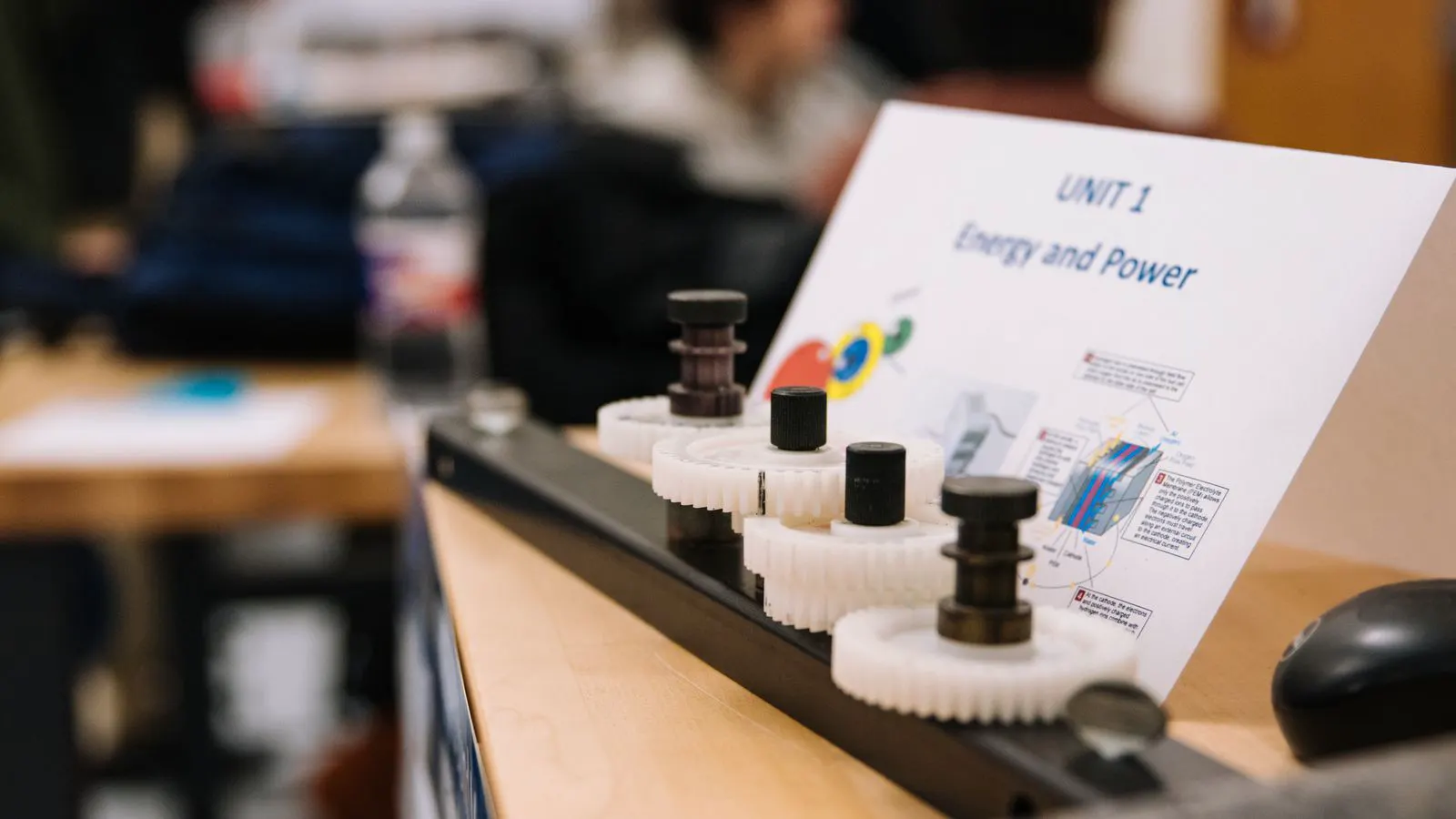
The core difference between electric and hydraulic injection molding machines is how they turn energy into motion. An electric machine drives the ram and screw with motors and gearboxes or direct drive systems. A hydraulic machine uses a pump to pressurize fluid, which moves cylinders and actuators.
This difference shows up in efficiency. Electric systems avoid the heat and pressure losses associated with fluid transmission. They also allow better control of speed, pressure, and dwell time. For production lines with frequent short cycles or high shot counts, the per-cycle energy difference adds up quickly.
Hydraulic machines do not lose all their efficiency in the process. They can run reliably at high clamping forces and in rugged environments. The issue is not capability. It is the cost of converting electrical power to hydraulic energy and then back to mechanical work.
What maintenance looks like over the machine life
Maintenance planning is where procurement decisions get real. A hydraulic injection molding machine has a pump, reservoir, filters, hoses, valves, accumulators, and seals. Every one of these items can wear out or leak. Hydraulic fluid degrades over time. Filters clog. Hoses crack. Seals harden.
An electric machine has fewer fluid-related components. Its maintenance focuses on motors, bearings, gears, electronics, and control systems. The risk profile shifts from fluid contamination to electronic reliability. In practice, electric machines tend to have simpler preventive maintenance schedules.
This does not mean electric machines are maintenance-free. They still need lubrication, electrical checks, and alignment work. But the number of consumable parts that require scheduled replacement is usually lower. For a plant that wants predictable downtime, that simplicity has value.
When each option fits the production profile
The right machine depends on the product mix, shift pattern, and plant layout. Electric machines work well for high-volume runs, multi-shot molds, and applications where cycle time is short. They are also common in lines that run twenty-four hours a day because the energy savings become significant over thousands of cycles.
Hydraulic machines remain practical for large tonnage applications, where high clamping force is required to hold large molds. They are also a common choice when initial capital is tight and the plant can absorb higher operating costs. In some regions, hydraulic service networks are more established, which can shorten repair times.
A table makes the trade-offs easier to compare.
| Option | Best for | Limitations |
|---|---|---|
| Electric injection molding machine | High-volume production, short cycles, multi-shot molds, low-energy facilities | Higher upfront cost, dependence on electrical service and electronics expertise |
| Hydraulic injection molding machine | Large tonnage molds, high initial clamping force, plants with limited capital | Higher energy use, more fluid maintenance, more leak points |
| Servo-electric hybrid approach | Mixed production, phased upgrades, plants wanting energy savings without full replacement | Complex control integration, longer commissioning, need for vendor support |
| Full hydraulic fleet with modern pumps | Legacy plants, stable product mix, limited budget for upgrades | Ongoing energy and maintenance costs, aging component risk |
How lifecycle cost changes the comparison
Purchase price is the number on the spec sheet. Lifecycle cost is the number that matters after the machine is on the floor. For procurement managers, the comparison should include energy, maintenance, downtime, and operator time.
An electric machine may cost more to buy. If it runs two shifts and produces a high shot count, the energy savings can offset that difference over time. The same logic applies to maintenance. Fewer fluid components means fewer scheduled replacements and less unplanned repair.
A hydraulic machine may be cheaper to purchase. But the pump, valves, and hoses add to the operating budget. If the machine runs at high load for years, those costs can become significant. The key is to model both scenarios with your actual production data, not a generic estimate.
What to verify before choosing
Before finalizing a choice, run a practical checklist. Start with the product mix. Identify the largest mold, the shortest cycle, and the highest shot count. Then calculate the expected annual operating hours. Next, review the local electrical capacity. Electric machines draw significant current, and the plant may need panel upgrades.
Check the service network. Ask suppliers and existing customers how quickly they can replace a motor, controller, or hydraulic pump. Ask about spare parts lead times. A fast repair can save more money than a small energy saving.
Also review the mold temperature control system. This is a separate cost and a separate maintenance item. A machine with integrated temperature control may simplify setup, but it also changes the service model.
How to structure the decision
A practical approach is to split the decision into three layers. The first layer is technical fit. Does the machine handle the clamping force, injection pressure, and mold size? The second layer is operational fit. Does it match the shift pattern and product mix? The third layer is financial fit. Does the lifecycle cost make sense against the purchase price?
If the answer is yes to all three, the choice is clear. If the answers are mixed, consider a phased approach. Run a small batch of products on the new technology and compare cycle time, energy use, and maintenance events. Use that data to decide whether to expand the fleet.
Do not let the initial invoice drive the decision. A machine that costs more today but runs cheaper tomorrow can still be the better buy. The same is true in reverse. A cheaper machine that creates hidden maintenance work can become expensive over time.
What to avoid in the comparison
Avoid comparing only the tonnage number. Two machines with the same clamping force can behave very differently if their hydraulic or electric systems are designed for different duty cycles. Avoid assuming that a newer machine is automatically more efficient. An older hydraulic machine with a high-efficiency pump can outperform a poorly maintained electric machine.
Avoid ignoring the plant context. A factory with a stable power supply and an experienced maintenance crew may handle electric machines well. A plant with frequent power interruptions or a limited electrical skill set may prefer a machine with a simpler service model.
Avoid treating efficiency as a single metric. Energy efficiency is one part. Uptime, cycle stability, and maintenance simplicity are others. A machine that uses less energy but stops more often can still lose money.
Where the trend is heading
The industry is moving toward electric drive systems for several reasons. Energy costs are rising, and plants are under pressure to reduce operating expenses. Electric machines also support better control of the injection process, which helps with part quality and cycle consistency.
Hydraulic technology is not going away. It remains a practical choice for certain applications and certain budgets. The trend is not a simple replacement of one technology with another. It is a shift in how plants weigh long-term cost against upfront cost.
For procurement managers, the practical takeaway is to treat the machine as a system. Look at the energy source, the service network, the spare parts supply, and the maintenance schedule. The best injection molding machine for your plant is the one that fits your production profile, your budget, and your long-term maintenance plan.
Frequently asked questions
Which injection molding machine uses less energy, electric or hydraulic?
Electric machines generally use less energy per shot because they convert electrical power directly into motion. Hydraulic machines lose energy in the pump and fluid system.
Are hydraulic injection molding machines harder to maintain?
Yes, because they have more fluid-related components such as pumps, hoses, valves, and seals. Electric machines have fewer fluid points but still need motor and electrical maintenance.
When is a hydraulic molder still the better choice?
Hydraulic machines can be the better choice when initial capital is limited, when very high clamping force is required, or when the plant has an established hydraulic service network.
How should a procurement team compare the two technologies?
Compare purchase price, energy use, maintenance schedule, spare parts availability, and expected operating hours. Use actual production data rather than generic estimates.
Can a plant run both electric and hydraulic machines?
Yes. A mixed fleet can match different product families to the most suitable machine type. This approach can balance cost, capability, and service risk.