What Is Die Pressure in Plastic Extrusion Lines
Die pressure is the force exerted by molten polymer on the die exit. It controls material flow rate and shape retention. High pressure can cause swelling or distortion. Low pressure risks voids or weak profiles. Buyers must match die pressure to resin viscosity and machine torque.
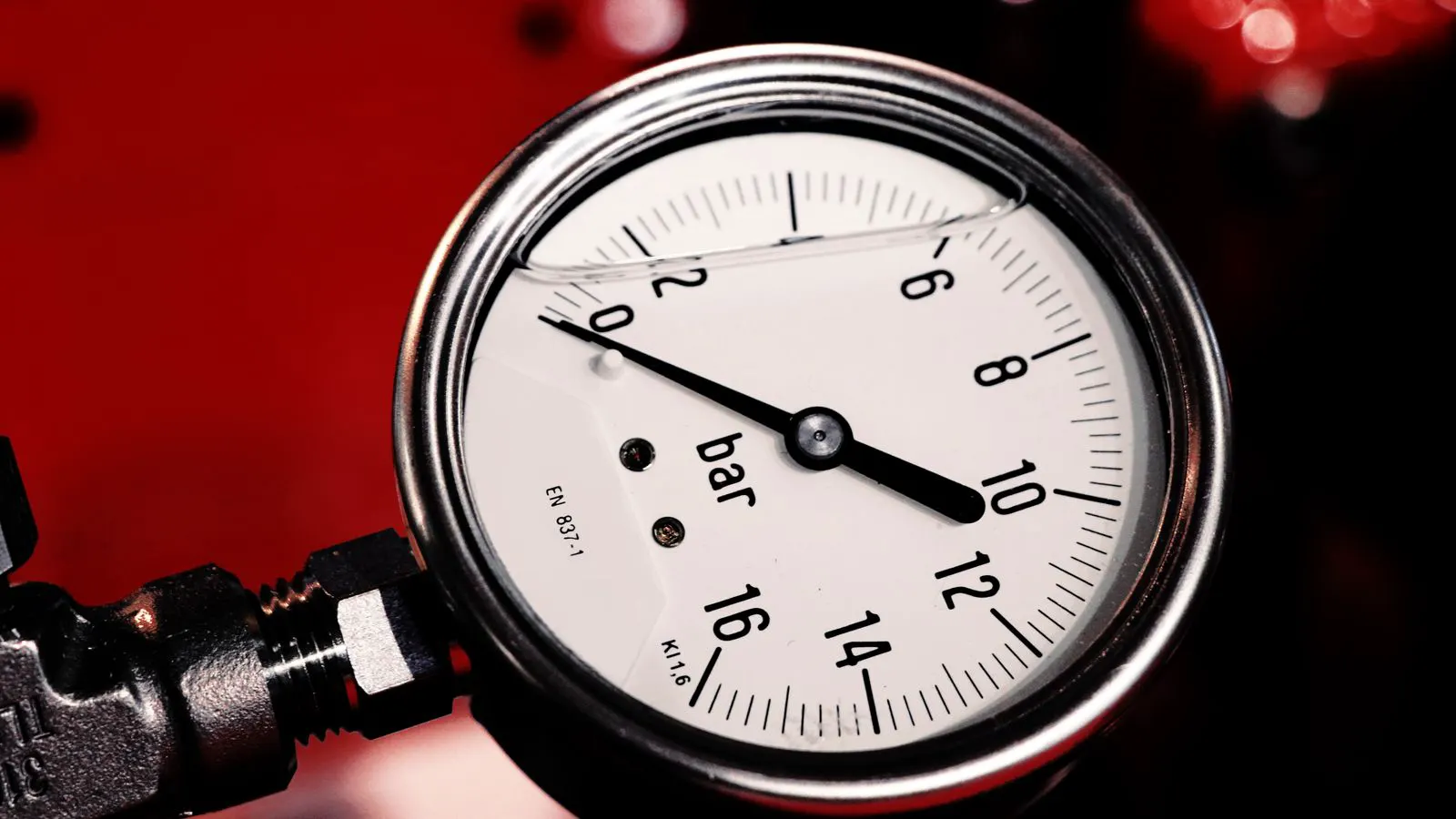
- Die pressure is the force of the melt against the die exit, measured in bars.
- It directly influences the velocity of the polymer at the point of exit.
- Mismatched pressure leads to dimensional errors, surface defects, or machine overload.
- Sourcing decisions depend on aligning die pressure with barrel length and motor torque.
- Monitoring pressure helps operators distinguish between resin issues and mechanical faults.
What Is Die Pressure in Extrusion
Die pressure is the force that molten plastic exerts on the exit area of the die. It is not a single static value. It changes as the material moves through the barrel and through the die itself. Engineers track this value to understand how the machine is working.
This pressure exists because the polymer is a viscous fluid. It resists flow. The melt must push against the die walls and the exit orifice to exit the machine. The force per unit area at that exit point is the die pressure.
This value matters because it links the machine’s mechanical power to the product’s physical properties. If the pressure is too high, the profile may swell after leaving the die. If it is too low, the profile may collapse or contain voids. Both outcomes create quality problems.
How Melt Pressure Differs From Die Pressure
People often use melt pressure and die pressure interchangeably. They are related, but they measure different things. Melt pressure refers to the pressure within the barrel and the die cavity. It is the total energy pushing the material.
Die pressure is specific to the exit. It is the pressure measured at the die head face or just beyond the exit orifice. This is where the material transitions from a constrained state to a free state.
When a line is running, the melt pressure in the barrel builds up as the screw pushes the material. This pressure drops as the material enters the die cavity. It reaches its lowest point at the exit. The difference between the pressure in the barrel and the pressure at the exit determines the flow rate through the die.
Understanding this distinction helps buyers select the right equipment. A machine must be able to maintain the necessary barrel pressure to push the melt through the die. If the barrel pressure cannot overcome the die resistance, the output drops.
Role of the Die Head in Controlling Pressure
The die head is the final stage of the extrusion process. It converts the molten polymer into a solid shape. Its function is to define the profile. It also acts as a pressure control point.
The geometry of the die head determines how easily the melt exits. A long, narrow channel creates high resistance. This results in high die pressure. A short, wide channel creates low resistance. This results in lower die pressure.
The die head function includes distributing the melt evenly. In multi-cavity dies, the head must ensure that each cavity receives the same amount of material. This requires precise machining and careful alignment of the die blocks.
If the die head is worn or dirty, the flow area changes. This alters the die pressure. A small buildup of carbonized material on the die wall can reduce the effective cross-section. This increases the pressure required to maintain the same output rate.
Impact on Profile Shape and Stability
Die pressure has a direct effect on the shape of the extruded profile. When the melt exits the die, it is under pressure. Once it leaves the die, it is no longer constrained by the metal walls. The pressure force is released.
This release causes the polymer to expand. This phenomenon is called die swell. The amount of swell depends on the pressure at the exit. Higher pressure generally leads to greater swell.
For solid profiles, such as pipes or rods, die swell is predictable. Operators compensate for it in the die design. They make the die orifice slightly smaller than the target diameter. The swell expands the part to the correct size after it leaves the die.
For complex profiles, such as window frames or automotive parts, die swell can cause distortion. The pressure release is uneven across the cross-section. Some parts of the profile expand more than others. This can lead to warping or out-of-round shapes.
Stability is another concern. If die pressure fluctuates, the profile dimensions will fluctuate. This happens when the resin viscosity changes or when the barrel temperature is not uniform. A stable die pressure is required for consistent quality.
Worked Example: Sizing a Profile Extrusion Line
Consider a manufacturer producing a standard PVC pipe. The target diameter is large, and the wall thickness is thin. The resin is a standard rigid PVC compound.
The engineering team selects a die head with a specific orifice size. They calculate the expected die pressure based on the resin viscosity and the desired output rate. The calculation shows that the die head will create a pressure drop that requires a certain barrel pressure.
The buyer then looks at the extruder specifications. The extruder must be able to generate the required barrel pressure without exceeding the motor torque limit. If the die pressure is too high, the motor will struggle to maintain speed. The line will have to run slower than intended.
If the die pressure is too low, the motor will run easily, but the profile will not have enough pressure to swell correctly. The pipe diameter will be smaller than the target. The wall thickness will be too thin. The product will fail structural tests.
In this example, the die head function is critical. The manufacturer must choose a die head that matches the resin properties. They must also ensure that the extruder torque is sufficient to handle the pressure load. This alignment ensures that the line runs at the intended speed and produces a stable profile.
How to Monitor and Adjust Die Pressure
Operators monitor die pressure using sensors installed on the die head. These sensors provide real-time data to the control system. The data helps the operator see how the line is responding to changes in material or settings.
If the die pressure rises, the operator checks the barrel temperature. A lower temperature increases resin viscosity. This increases the pressure required to push the melt through the die. The operator may need to increase the barrel temperature or reduce the screw speed.
If the die pressure falls, the operator checks for a leak or a change in resin. A new lot of resin may have lower viscosity. This reduces the pressure. The operator may need to reduce the die opening or adjust the temperature.
Regular maintenance is key. The die head must be cleaned and inspected periodically. Worn die blocks change the flow area. This changes the die pressure. Replacing worn parts restores the expected pressure profile.
Sourcing Decisions Based on Die Pressure
When sourcing extrusion equipment, die pressure is a key factor. Buyers must look at the relationship between the die head and the extruder.
The die head function determines the pressure load. The extruder must be able to handle that load. A small extruder with a high-pressure die head will struggle. It will have difficulty maintaining speed. It may overheat.
A large extruder with a low-pressure die head may be overkill. It will use more energy than necessary. It may have difficulty maintaining precise temperature control due to the excess torque.
Buyers should ask suppliers for torque curves. These curves show the relationship between screw speed and torque. The torque curve must cover the required die pressure at the target output rate.
The die head material also matters. The die head must withstand the pressure and temperature. Hardened alloys are common. They resist wear from abrasive resins. The choice of alloy affects the die head lifespan. A worn die head increases die pressure over time. This can lead to machine overload.
Understanding these factors helps buyers make informed decisions. It ensures that the machine and the die head work together efficiently. It reduces the risk of production issues and quality problems.
Frequently asked questions
What is the typical range of die pressure in plastic extrusion?
Die pressure varies widely depending on the resin, profile complexity, and die design. It can range from a few bars for simple rods to several hundred bars for complex profiles or high-viscosity resins.
How does die pressure affect the surface finish of the extruded product?
High and stable die pressure can produce a smooth surface finish by ensuring uniform flow. Fluctuating pressure or too high a pressure can cause surface roughness, streaks, or dimensional errors.
Can changing the die head geometry alter the die pressure?
Yes. Reducing the cross-sectional area of the die channel or exit orifice increases the resistance to flow. This increases the die pressure required to maintain the same output rate.
What happens if the die pressure is too high for the extruder motor?
The motor may reach its torque limit and slow down. The output rate will drop. In severe cases, the motor may overheat or trip the overload protection.
How is die pressure different from barrel pressure?
Barrel pressure is the pressure inside the extruder barrel. Die pressure is the pressure at the exit of the die. Die pressure is lower than barrel pressure because of the pressure drop across the die.