Plastic Extrusion Basics: How the Process Creates Consistent Shapes
Plastic extrusion melts, conveys, and shapes polymer using heat and pressure. This article explains the core process, key machine parameters, and how they influence final product dimensions, flow, and surface quality for buyers and engineers.
- Extrusion is a continuous process that converts solid polymer into a uniform melt and shapes it through a die.
- Barrel temperature, screw design, and die geometry are the primary controls for melt flow and final product dimensions.
- Understanding these parameters helps buyers specify equipment that matches material behavior and output needs.
- Consistent shapes depend on stable thermal profiles, mechanical conveyance, and precise die clearance.
- Choosing the right extruder type and line sizing is driven by material flow characteristics and target product geometry.
How Solid Polymer Becomes Melt
Plastic extrusion begins with raw material in a solid form. This material may be pellets, flakes, or powder. The polymer enters the extruder hopper and moves into the barrel. The barrel is a heated chamber. A rotating screw moves the material forward.
The screw has a helical flight. This flight acts like a screw in a pipe. It pushes the material down the barrel. The material is not simply pushed. It is also mixed and heated. Friction from the screw against the barrel wall and the material itself generates heat. This internal heat, combined with external barrel heating, melts the polymer into a viscous liquid.
The process is continuous. Feed goes in one end. A shaped product comes out the other. There is no stopping and starting for each piece. The machine runs as a steady stream. The final shape is defined by the die at the exit.
The Role of the Barrel and Screw
The barrel and screw are the heart of the extrusion process. The barrel is a long steel tube. It is divided into heating zones. Each zone has its own temperature controller. The screw is a long shaft with flights. The screw diameter determines the machine size. A larger screw holds more material and processes higher volumes.
The barrel temperature profile is critical. The first zone, near the hopper, is usually cooler. This allows the polymer to begin melting gently. The later zones are hotter. These zones ensure the melt is fully fluid and homogenous. The last zone, before the die, is often the hottest. It prepares the material to flow smoothly through the die.
The screw design affects how material moves. A standard single screw extruder uses one rotating shaft. The flights push material forward. The geometry of the flights changes along the barrel. Near the hopper, the flights are deep. This provides a large channel for feed. Near the die, the flights are shallow. This creates a smaller channel, forcing the melt through and building pressure.
How the Die Shapes the Product
The die is the tool that gives the plastic its final form. It is a block of hardened steel or another suitable material. The die has a channel or orifice. The melt flows through this channel. The shape of the channel matches the shape of the desired profile.
A round die produces a rod or tube. A flat die produces a sheet or film. A custom die produces a specific profile, such as a window frame, pipe, or cable jacket. The die geometry must match the material’s flow behavior. If the die is too small, the pressure inside the barrel rises. If the pressure rises too much, the material may degrade or the machine may struggle to maintain speed.
The die also affects surface finish. The internal surface of the die must be smooth. Any roughness or scratch in the die will appear on the product surface. The melt must flow in a laminar pattern. Turbulent flow can cause defects like streaks, bubbles, or uneven thickness. The die design must guide the flow to prevent these issues.
Key Parameters That Affect Consistency
Several machine parameters directly influence the final product. Understanding these parameters is essential for sourcing the right equipment.
| Parameter | Effect on Process |
|---|---|
| Barrel Temperature | Controls melt viscosity and flow rate. Too low causes incomplete melting. Too high causes degradation. |
| Screw Speed | Determines the volume of material processed per hour. Higher speed increases throughput but may reduce mixing quality. |
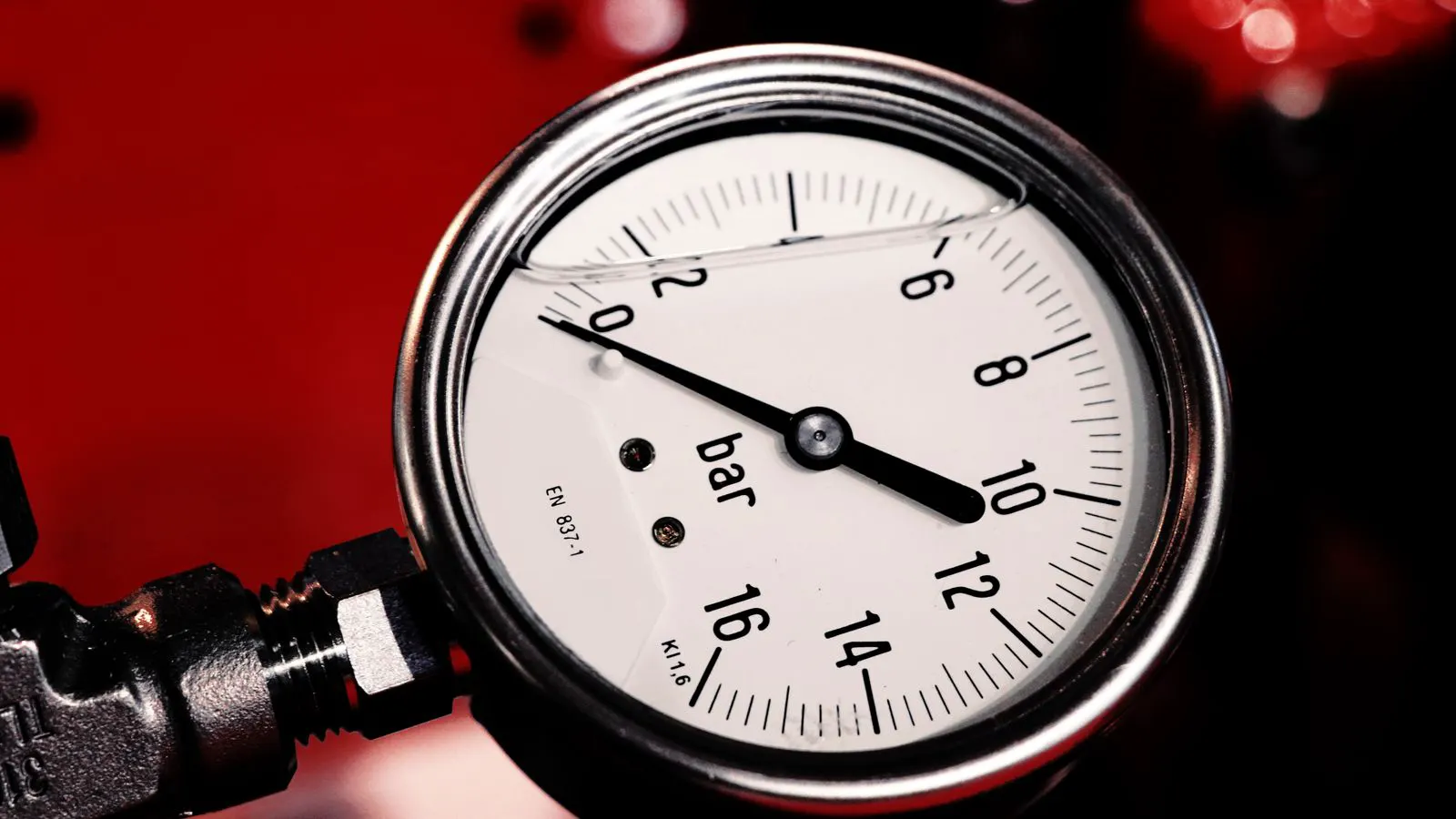
| Die Pressure | The force required to push melt through the die. High pressure can cause pressure drops and flow instability. |
| Melt Temperature | The temperature of the polymer just before it exits the die. It must be within the material’s processing window. |
| Back Pressure | The resistance to material flow inside the barrel. It is used to improve mixing and reduce air entrainment. |
These parameters are not independent. They work together. Changing one often requires adjusting the others. For example, increasing screw speed increases the volume of material. To keep the melt temperature stable, the barrel temperature may need to be raised. If the melt flows too fast, the die pressure drops. This can cause uneven thickness in the product.
A Worked Example: Producing a PVC Pipe
Consider a plant producing a PVC pipe. The pipe has a specific inner diameter and wall thickness. The process starts with PVC pellets in the hopper. PVC is a sensitive material. It degrades if overheated. The barrel temperature profile is set to keep the melt within a safe window. The first zone is moderate. The later zones are higher, but not extreme.
The screw speed is set to match the desired pipe length per hour. The die is a ring-shaped tool. The melt flows through the ring and forms a tube. The pipe is cooled in a water bath. As it cools, it solidifies. The dimensions are set by the die geometry and the cooling rate.
If the barrel temperature in the last zone is too high, the PVC may degrade. This causes discoloration and weakens the pipe. If the screw speed is too high, the pipe walls may become uneven. The material may not mix properly, leading to weak spots. The buyer must ensure the extruder can maintain stable temperatures and speeds for the specific PVC grade being used.
Sourcing Decisions Based on Process Knowledge
When sourcing plastics machinery for extrusion, the process parameters guide the specification. The buyer must know the material. Different polymers have different melting points and flow behaviors. Polyethylene flows easily. Nylon requires higher temperatures and pressures. The extruder must match the material’s needs.
The product geometry also matters. A complex profile requires a die with intricate channels. This increases the pressure required. The extruder must generate sufficient pressure without overheating the material. The buyer should specify the maximum die pressure the machine can handle.
The throughput requirement is another key factor. A small batch run may use a smaller screw. A high-volume production line needs a larger screw and a more powerful drive. The buyer should specify the target output in kilograms per hour or meters per hour. The machinery must be sized to meet this target with some margin.
Finally, the buyer should consider the line’s stability. Consistent shapes require stable process control. The extruder should have reliable temperature control and a steady drive system. The die must be designed for the specific material and profile. The cooling section must be adequate to solidify the product without warping.
Common Mistakes in Extrusion Setup
Many issues in extrusion stem from incorrect setup. A common mistake is setting the barrel temperature too high. This may seem like a quick fix for slow flow. However, it degrades the polymer. The melt becomes unstable. Defects appear on the product surface. The material strength decreases.
Another mistake is ignoring the screw design. Using a screw with the wrong flight geometry can cause poor mixing or excessive shear. This leads to uneven melt temperature and poor product quality. The screw must match the material’s viscosity and the desired mixing quality.
A third mistake is poor die maintenance. A dirty or worn die causes flow irregularities. The melt may split or form bubbles. The product surface becomes rough. Regular inspection and cleaning of the die are necessary to maintain consistent output.
Conclusion
Plastic extrusion is a precise process. It relies on the coordination of heat, pressure, and mechanical motion. The barrel and screw melt and convey the material. The die shapes it into the final product. The parameters of temperature, speed, and pressure must be balanced.
For buyers and engineers, understanding these principles is key. It allows for the selection of the right machinery for the specific material and product. It helps in troubleshooting issues and maintaining consistent output. By focusing on the fundamentals of the extrusion process, operators can produce reliable, high-quality shapes.
Frequently asked questions
What is the main purpose of the screw in an extruder?
The screw conveys the solid polymer through the barrel and mixes it with heat to form a melt.
How does the die determine the shape of the extruded product?
The die has a channel or orifice that matches the desired profile. The melt takes this shape as it flows through.
Why is barrel temperature control critical in extrusion?
Temperature controls the melt's viscosity and flow. Incorrect temperatures can cause incomplete melting or material degradation.
What is the difference between single and double screw extrusion?
Single screw extruders use one shaft and are common for homogeneous materials. Double screw extruders use two shafts and are better for reactive or high-shear compounds.
How does cooling affect the final extruded product?
Cooling solidifies the melt. The cooling rate and uniformity affect the final dimensions, surface finish, and internal stresses of the product.