Extruder Maintenance: A Checklist for Long-Term Reliability
This guide outlines essential extruder maintenance tasks to minimize unplanned downtime. It provides a practical checklist for preventive maintenance, covering critical components like barrels, screws, and cooling systems to ensure long-term production reliability and equipment lifespan.
- Regular preventive maintenance significantly reduces unplanned downtime and extends extruder lifespan.
- Critical components like barrels, screws, and cooling systems require specific inspection intervals.
- Documenting maintenance activities creates a valuable record for troubleshooting and future planning.
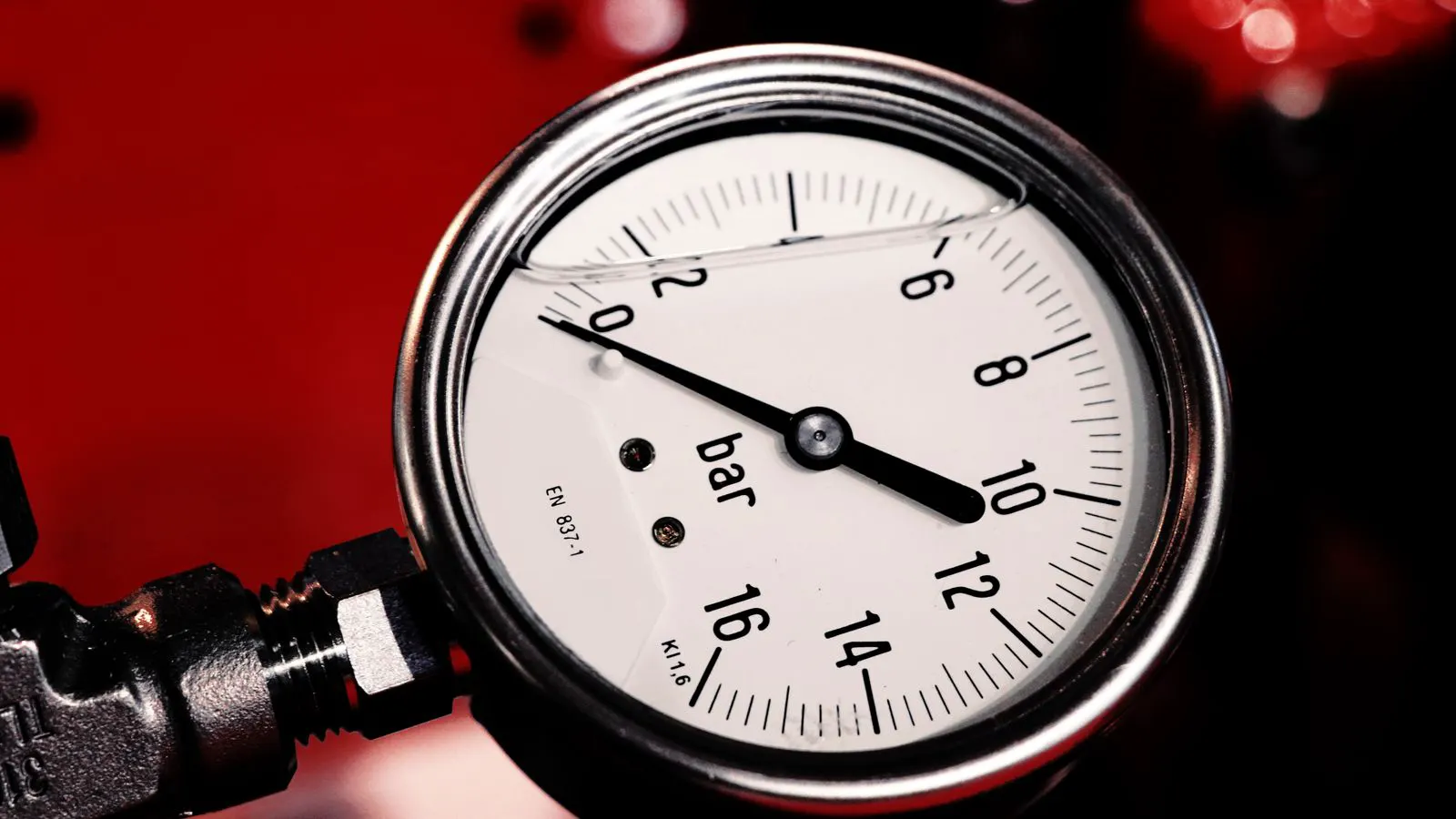
- Monitoring temperature and pressure trends helps identify developing issues before they cause failure.
- A structured checklist ensures no critical maintenance task is overlooked during routine service.
Extruder maintenance directly impacts production reliability and equipment lifespan. Most unplanned downtime stems from neglected preventive tasks rather than sudden component failures. A structured approach catches wear patterns early and keeps the line running predictably.
What is the core purpose of preventive maintenance?
Preventive maintenance shifts the focus from reactive repairs to scheduled service. It involves inspecting, cleaning, lubricating, and replacing parts before they reach failure points. For extrusion equipment, this means understanding how thermal stress, material abrasion, and mechanical load interact over time. The goal is to maintain consistent output and quality while extending the service life of expensive components.
How do you maintain the barrel and screw assembly?
The barrel and screw form the heart of your extrusion system. These components endure high temperatures and direct contact with polymer material. Regular inspection reveals wear patterns that indicate when replacement or refurbishment is needed.
- Check barrel liner thickness at regular intervals using a calibrated gauge.
- Inspect screw flight clearance and look for nicks, scoring, or material buildup.
- Verify screw tip clearance against the barrel end.
- Examine the barrel for hot spots or discoloration that indicate uneven heating.
- Remove and clean the entire screw and barrel assembly during major overhauls.
- Replace wear rings and seals before they show visible deterioration.
- Lubricate moving parts according to the manufacturer’s specifications.
- Monitor barrel temperature zones for unexpected fluctuations during production.
Red flags include sudden changes in melt pressure, visible material degradation on the screw flights, or inconsistent melt temperature readings. Address these issues immediately to prevent further damage to the barrel liner.
How do you protect the drive system?
The drive system converts electrical energy into mechanical torque for the extruder. This assembly includes the main motor, gearbox, coupling, and drive shaft. Proper maintenance here prevents costly gearbox failures and maintains consistent line speed.
- Check gearbox oil level and condition monthly.
- Replace gearbox oil according to the manufacturer’s recommended intervals.
- Inspect coupling alignment and replace worn coupling elements.
- Verify motor bearing temperatures during operation.
- Clean motor ventilation slots to maintain proper cooling.
- Check electrical connections for corrosion or loose terminals.
- Monitor current draw for deviations from normal operating parameters.
Red flags include unusual noise from the gearbox, excessive vibration, or motor overheating. These symptoms often indicate developing mechanical issues that will worsen without intervention.
How do you maintain cooling and temperature control systems?
The cooling system and temperature control elements work together to manage the thermal environment within the extruder. These components must function within tight tolerances to ensure proper melt processing.
- Clean water cooling coils and verify flow rates regularly.
- Check for mineral buildup inside cooling tubes and flush as needed.
- Calibrate thermocouples and temperature sensors against reference standards.
- Inspect heating bands for uniformity and replace degraded elements.
- Test the temperature control system response under varying load conditions.
- Verify that cooling water inlet and outlet temperature differentials are within specifications.
Red flags include temperature control instability, hot spots in the barrel, or reduced cooling efficiency. These issues affect melt quality and can lead to inconsistent product properties.
How do you maintain the feed system and hopper area?
The feed system delivers raw material into the extruder. Proper maintenance here ensures consistent material flow and prevents contamination or blockages.
- Clean the hopper and feed throat regularly to remove residual material.
- Inspect feed auger for wear and material buildup.
- Check vacuum breakers and dust collection systems for proper function.
- Verify that the feed system seals remain intact and leak-free.
- Inspect the hopper for cracks or damage that could affect material containment.
- Clean the material path from hopper to extruder to prevent cross-contamination.
Red flags include inconsistent feed rates, material clumping, or visible contamination in the feed path. These issues affect melt quality and can cause downstream processing problems.
How do you maintain the die and head assembly?
The die and head assembly shapes the melted polymer into the final product. This area experiences high temperatures and direct contact with the melt stream.
- Inspect the die face for wear, pitting, or material buildup.
- Check head temperature sensors for accuracy and calibration.
- Verify that the die cooling system functions properly.
- Examine the die assembly for signs of thermal distortion or warping.
- Clean the die and head assembly during scheduled maintenance.
- Verify that the die gap is within specification for consistent output.
Red flags include inconsistent product dimensions, surface defects, or sudden changes in extrusion pressure. These symptoms often indicate die or head assembly issues that require attention.
How do you document and track maintenance activities?
Documentation creates a reliable record of maintenance activities and equipment performance. This information supports troubleshooting, planning, and regulatory compliance.
- Create a maintenance log that records all service activities.
- Track component replacement dates and remaining useful life.
- Record temperature, pressure, and current readings during maintenance.
- Document any anomalies or issues discovered during inspection.
- Keep copies of calibration certificates and test results.
- Use the maintenance history to plan future service intervals.
Red flags include incomplete maintenance records, missing calibration data, or unexplained performance changes. Gaps in documentation make it harder to identify root causes of future problems.
How do you prioritize maintenance tasks?
Not all maintenance tasks have equal impact on production reliability. Prioritization helps allocate resources effectively and addresses the most critical components first.
- Rank tasks by their impact on production downtime.
- Consider component cost and replacement lead times.
- Factor in the consequences of component failure on product quality.
- Schedule critical inspections during planned shutdowns.
- Allocate time for emergency response and spare parts inventory.
- Review maintenance priorities quarterly based on actual performance data.
A balanced approach addresses both preventive and predictive maintenance tasks. This creates a maintenance program that protects production reliability while extending equipment lifespan.
How do you build a maintenance schedule?
A practical maintenance schedule aligns tasks with production cycles and component wear patterns. The schedule should be specific enough to guide technicians but flexible enough to accommodate production changes.
- Define daily, weekly, monthly, and annual maintenance tasks.
- Assign responsibility for each task to specific personnel.
- Include buffer time for unexpected issues during scheduled maintenance.
- Coordinate maintenance with production planning to minimize downtime.
- Review the schedule after each major maintenance event.
- Adjust task intervals based on actual component performance.
A well-constructed schedule becomes a living document that improves over time. It reflects real operating conditions and component behavior rather than theoretical guidelines.
How do you identify when maintenance is insufficient?
Several indicators suggest that your maintenance program needs adjustment. These signals often appear in production data and equipment behavior.
- Increasing frequency of minor production stops.
- Gradual decline in output or quality.
- Rising maintenance costs without corresponding reliability improvement.
- Recurring failures of the same component type.
- Extended downtime during scheduled maintenance periods.
- Inconsistent melt pressure or temperature readings.
These patterns indicate that maintenance intervals or procedures need revision. Addressing them early prevents larger failures and protects production reliability.
How do you ensure maintenance quality?
Consistent maintenance quality depends on proper training, clear procedures, and appropriate tools. Technicians must understand not just what to do, but why each task matters.
- Provide regular training on maintenance procedures and equipment principles.
- Use standardized work instructions with clear steps and acceptance criteria.
- Supply technicians with calibrated instruments and appropriate tools.
- Implement a verification process to confirm maintenance completion.
- Review maintenance quality metrics regularly.
- Encourage technicians to report potential issues before they escalate.
Quality maintenance produces predictable results and protects production reliability. It also builds institutional knowledge that supports long-term equipment health.
How do you integrate maintenance with production planning?
Effective maintenance planning considers production schedules, material availability, and personnel capacity. This integration minimizes disruption and maximizes equipment availability.
- Coordinate maintenance windows with production changes or planned shutdowns.
- Stock critical spare parts to reduce repair time.
- Schedule major maintenance during lower-demand periods.
- Communicate maintenance plans to production teams in advance.
- Track maintenance impact on production output and plan accordingly.
- Use maintenance data to forecast future equipment needs.
This integration turns maintenance from a disruption into a planned operational activity. It supports consistent production reliability and protects the investment in extrusion equipment.
Frequently asked questions
How often should I inspect the barrel and screw assembly?
The frequency depends on operating conditions and material type. Many plants inspect these components monthly or quarterly, with a full teardown every six to twelve months or during major overhauls.
What is the biggest cause of unplanned extruder downtime?
Neglected preventive maintenance on critical components like the barrel, screw, and drive system. Small wear issues left unaddressed often develop into major failures that stop production.
How do I know if my maintenance schedule is sufficient?
Track downtime frequency, maintenance costs, and component failure patterns. If minor stops increase or the same parts fail repeatedly, the schedule likely needs adjustment.
Should I maintain the drive system myself or hire a specialist?
Basic checks like oil levels and visual inspections can be performed by plant staff. Gearbox overhaul and complex alignment work often benefit from specialist support.
How much documentation is too much?
Too much documentation slows down maintenance and discourages logging. Focus on recording critical measurements, component replacements, and anomalies. Keep records accessible for troubleshooting.