Extruder Barrel Length: How to Size for Viscosity
Extruder barrel length must match the resin melt viscosity and the required throughput. Short barrels suit low viscosity, high speed lines. Long barrels suit high viscosity, high shear, and sensitive color or temperature applications.
- Barrel length is set by the required throughput, the resin melt viscosity, and the maximum allowable pressure drop.
- Low viscosity resins can use shorter barrels to reduce residence time and improve throughput.
- High viscosity resins need longer barrels to build pressure and maintain stable melt temperature.
- Check the melt flow index, the pressure drop, and the cooling capacity before finalizing the barrel length.
- Match the barrel length to the die geometry and the downstream processing equipment.
Why Barrel Length Matters for Stable Output
Barrel length controls the time the resin spends in the heated zone. That residence time determines how the polymer heats, shears, and cools before it reaches the die. If the barrel is too short, the melt may not reach a stable temperature profile. If the barrel is too long, the material sits too long, heat accumulates, and the output becomes unstable.
The main variable that drives the sizing decision is melt viscosity. Viscosity is the resistance of the melt to flow. It changes with temperature, shear rate, and the molecular weight of the resin. A resin with high viscosity needs more pressure to move through the die. A long barrel provides that pressure. A short barrel may not have enough length to build the pressure required, especially at high throughput.
Most buyers assume barrel length is a fixed spec from the manufacturer. In practice, it is a process parameter. The same die may run on a 2:1 barrel for a low viscosity polypropylene and a 4:1 barrel for a high viscosity engineering polymer. The die is often the same. The barrel length is the variable that changes the melt state entering the die.
How Viscosity Changes the Pressure Drop
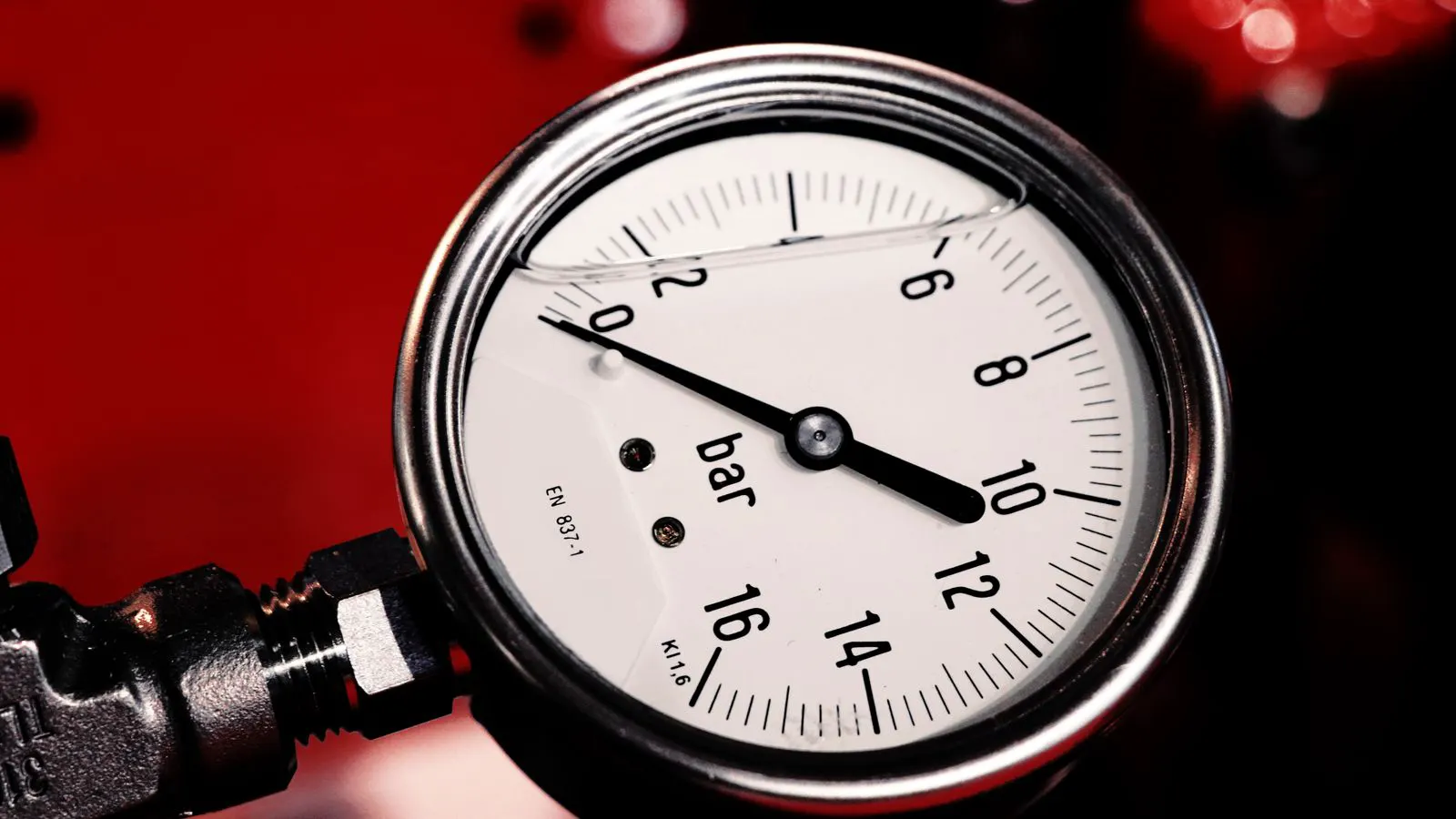
Pressure drop is the force that pushes the melt through the die. It is measured in bar or kilopascals. The die opening is small. The melt must accelerate from a low velocity in the barrel to a higher velocity at the die lip. That acceleration requires pressure.
Viscosity directly affects that pressure. A high viscosity resin resists flow. It needs more pressure to move through the same die opening. A low viscosity resin flows easily. It needs less pressure.
The barrel length determines how much of that pressure the machine can generate. The screw conveys the resin. The friction between the resin and the barrel wall creates the shear heat. The long barrel provides a long path for that pressure to build. If the barrel is too short, the screw cannot generate enough pressure to overcome the high viscosity. The output drops. The melt temperature fluctuates. The die pressure becomes unstable.
A short barrel with a low viscosity resin can run at high speed. The material moves quickly. The pressure drop is low. The throughput is high. The same short barrel with a high viscosity resin will struggle. The screw may slip. The output will drop. The temperature control will work harder.
Matching Barrel Length to Throughput
Throughput is the amount of material produced per hour. It is measured in kilograms per hour. The buyer wants a specific throughput. The barrel length must support that throughput.
A short barrel is often chosen for high throughput. The resin moves fast. The residence time is short. The machine can process more material per hour. This is common for commodity resins like polyethylene, polypropylene, and PVC. These resins have low to medium viscosity. They flow easily. They do not need a long pressure path.
A long barrel is often chosen for lower throughput or high viscosity. The resin moves slowly. The residence time is longer. The machine builds pressure over a longer path. This is common for engineering resins, filled resins, and reactive resins. These materials have high viscosity. They need more time to heat and mix.
The throughput target is not just a number. It is a constraint. If the buyer needs 2,000 kg/h and the resin has high viscosity, a short barrel may not be able to deliver that output. The screw may not be able to convey the material. The pressure drop will be too high. The machine will operate at a lower speed than the buyer expects.
The Role of Residence Time
Residence time is the average time the resin stays in the barrel. It is calculated from the barrel length, the screw speed, and the material volume. A long barrel increases residence time. A short barrel decreases it.
Residence time affects the melt quality. Too little residence time can lead to incomplete melting. The resin may not reach a uniform temperature. The melt may have a wide molecular weight distribution. The output may show color streaks or inconsistent density.
Too much residence time can cause degradation. The resin heats for longer. The molecular chains break down. The melt viscosity decreases. The color darkens. The material may show degradation marks in the final product.
The balance depends on the resin. Some resins are sensitive to heat. They need a short residence time. They need a short barrel or a high speed. Other resins need more time. They need a long barrel or a lower speed.
The barrel length is one way to control residence time. The screw speed is another. The barrel temperature is another. These three variables work together. Changing one affects the others. The barrel length is the fixed part of the machine. It is harder to change after the machine is installed.
Heat Transfer and Temperature Profile
The barrel wall transfers heat to the resin. The length of the barrel determines how much heat can be transferred. A long barrel provides a larger surface area. It can add more heat to the melt.
The temperature profile is the temperature of the resin as it moves from the hopper to the die. It is not a single number. It is a curve. The resin enters the barrel cold. It heats as it moves through the barrel. It may cool in some sections if the screw speed is high. It heats again in the heated zones.
A short barrel has a steeper temperature profile. The resin heats quickly. It reaches the die hot. The temperature control is tighter. The melt is at a high temperature.
A long barrel has a flatter temperature profile. The resin heats slowly. It reaches the die at a more uniform temperature. The melt is at a lower temperature. The temperature control is more forgiving.
The die temperature is another factor. The die is heated. It adds heat to the melt. It also removes heat as the resin flows through the die. The die temperature must match the barrel temperature. If the die is too hot, the melt temperature rises. If the die is too cold, the melt temperature drops.
The barrel length affects the heat balance. A long barrel adds more heat. It may require a lower die temperature to maintain the same melt state. A short barrel adds less heat. It may require a higher die temperature to maintain the same melt state.
Barrel Length and Die Geometry
The die geometry is the shape of the opening that forms the product. A flat film die is different from a tube die. A tube die has a long channel. It requires more pressure drop. A flat film die has a short channel. It requires less pressure drop.
The barrel length must match the die geometry. A tube die needs a long barrel to build the pressure. A flat film die can use a short barrel. The same resin may require a different barrel length depending on the die.
The die opening size is another factor. A small opening requires more pressure. A large opening requires less pressure. A small opening is used for thin products. A large opening is used for thick products. The barrel length must support the pressure required by the die opening.
The screw flight design also matters. The flight angle and the barrel diameter affect the pressure build-up. A steeper flight angle creates more pressure. A larger barrel diameter creates less pressure per unit length. The barrel length must be sized to work with the screw and the die.
Audit Checklist: Barrel Length Sizing
Use this checklist to verify the barrel length before purchase or process change.
-
Resin Viscosity Check
Confirm the melt viscosity of the resin at the processing temperature. Use the supplier data sheet. If the data is not available, run a melt flow test. A high viscosity resin needs a longer barrel. -
Throughput Target
Define the required kilograms per hour. The barrel length must support this throughput. A short barrel may not be able to convey the required volume at high viscosity. -
Pressure Drop Calculation
Estimate the pressure drop across the die. The barrel length must be sufficient to generate this pressure. Use the screw data and the die geometry. A high pressure drop requires a longer barrel. -
Residence Time Review
Calculate the average residence time. Check if the resin is sensitive to heat. A sensitive resin needs a shorter residence time. A long barrel may cause degradation. -
Temperature Profile Analysis
Review the expected temperature profile. A short barrel has a steep profile. A long barrel has a flat profile. Match the profile to the resin requirements. -
Die Geometry Match
Check the die opening and channel length. A tube die needs a longer barrel. A flat film die can use a shorter barrel. Match the barrel length to the die pressure requirement. -
Screw Design Check
Review the screw flight angle and barrel diameter. The screw design affects the pressure build-up. A steeper flight angle allows a shorter barrel. A larger barrel diameter requires a longer barrel. -
Cooling Capacity Check
Verify the machine cooling system. A long barrel generates more heat. The cooling system must be able to remove that heat. A short barrel generates less heat. The cooling system is less demanding. -
Color and Quality Requirement
Check the color and quality specification. A long barrel provides more mixing. It helps with color dispersion. A short barrel provides less mixing. It may not handle high pigment loads. -
Downstream Equipment Check
Review the downstream equipment. A pelletizer, a cooler, and a conveyor have speed limits. The barrel length must not exceed the capacity of the downstream equipment.
Red Flags to Watch For
- High viscosity with a short barrel. The pressure drop will be too high. The output will drop. The melt temperature will fluctuate.
- Low viscosity with a long barrel. The residence time will be too long. The resin may degrade. The output may be lower than expected.
- Mismatched die geometry. A tube die with a short barrel will struggle to build pressure. A flat film die with a long barrel will have too much residence time.
- Ignoring the screw design. The screw flight angle and barrel diameter must match the barrel length. A mismatch causes poor conveying and heat imbalance.
- No cooling capacity check. A long barrel generates heat. If the cooling system is weak, the melt temperature rises. The resin degrades.
- Color streaks in the output. This is a sign of poor mixing. A longer barrel or a better screw design may be needed.
- Output drops at high speed. This is a sign of pressure drop. The barrel length may be too short for the viscosity.
Final Sizing Approach
Start with the resin data. Identify the viscosity at the processing temperature. Define the throughput target. Measure the die pressure drop. Calculate the required barrel length.
A short barrel is a high speed, low viscosity solution. It is fast. It is efficient. It is not suitable for high viscosity or sensitive resins.
A long barrel is a low speed, high viscosity solution. It is slow. It is stable. It is suitable for engineering resins and filled resins.
The barrel length is not a spec to be chosen by default. It is a process variable. It must be sized for the resin, the die, and the throughput. The buyer should ask the manufacturer for the pressure drop data and the residence time calculation. The manufacturer should provide the data for the specific resin and die.
The audit checklist above is a practical way to verify the sizing. Run through the list before purchase. Run through the list after a resin change. The barrel length must match the process. If it does not, the output will be unstable.
Frequently asked questions
What is the standard barrel length for a plastic extruder?
There is no single standard. The barrel length varies from 1:1 to 4:1 or higher depending on the resin viscosity, the die geometry, and the throughput target.
Can I use a short barrel for a high viscosity resin?
A short barrel may not be able to build the pressure required for a high viscosity resin. The output will drop and the melt temperature will fluctuate. A longer barrel is usually required.
How does barrel length affect color consistency?
A long barrel provides more mixing time. It helps disperse pigments and colorants evenly. A short barrel provides less mixing. It may not handle high pigment loads.
What is the difference between barrel length and screw length?
The barrel length is the length of the heated zone. The screw length is the length of the screw shaft. The screw is usually shorter than the barrel. The barrel provides the heating surface and the pressure path.
How do I calculate the required barrel length?
Use the resin viscosity, the die pressure drop, and the throughput target. Estimate the pressure drop across the die. Use the screw data to calculate the pressure build-up per unit length. The barrel length must be sufficient to generate the required pressure.