How to Measure Plastic Machine Energy Use
To measure plastic machine energy efficiency, track total electricity consumption over a defined period, separate baseline from process load, and record kWh per unit. This creates a reliable benchmark for comparing equipment upgrades and identifying waste in the production cycle.
- Establish a baseline by measuring total electricity consumption over a stable production period.
- Use power tracking to separate machine standby power from active processing loads.
- Calculate energy intensity by dividing total kilowatt-hours by output volume.
- Compare data across shifts and machines to identify inefficiencies and savings opportunities.
- Regular monitoring helps validate improvements after equipment upgrades or process changes.
Why Baseline Measurement Matters in Plastics Processing
Accurate energy measurement is the foundation of any serious sustainability or cost-reduction program in plastics processing. Without a clear starting point, it is difficult to know whether a machine is performing well or where energy is being wasted.
The primary goal is to quantify how much electricity a specific machine or line consumes under normal operating conditions. This data supports sourcing decisions by providing a factual basis for comparing new equipment, evaluating maintenance performance, and tracking long-term efficiency trends.
When you understand your baseline, you can set realistic targets and verify the impact of changes made to your process.
What Is Plastic Machine Energy Efficiency?
Plastic machine energy efficiency refers to the ratio of useful output produced by a machine to the electrical energy consumed during operation. In practical terms, it measures how effectively a machine turns electricity into processed plastic material.
This metric is usually expressed as energy per unit of output, such as kilowatt-hours per kilogram or per hour of operation. A higher number indicates more energy is required for each unit of product, which is less efficient. A lower number indicates better efficiency.
Understanding this metric helps buyers evaluate equipment based on performance rather than just purchase price. It also guides maintenance teams to detect when a machine is consuming more power than expected.
Key Terms in Energy Monitoring
To measure energy use accurately, you need to understand a few standard terms used in industrial energy management.
- Electricity Consumption: The total amount of electrical energy used by a machine or system, measured in kilowatt-hours (kWh). This is the fundamental unit for billing and tracking.
- Power Tracking: The continuous recording of electrical power usage over time. This allows you to see when a machine is drawing more or less power.
- Baseline: A reference point representing normal energy use. It is established by measuring consumption under standard production conditions.
- Energy Intensity: The amount of energy consumed per unit of output. This normalizes energy use so you can compare machines with different production rates.
- Standby Power: The energy a machine uses while turned on but not actively processing material. This includes heaters, controls, and cooling systems.
These terms form the vocabulary for discussing energy performance in any technical or commercial context.
How to Set Up a Simple Measurement Plan
You do not need complex software to begin measuring energy use. A simple plan can yield valuable insights with minimal investment.
- Define the Scope: Decide whether you are measuring a single machine, a full production line, or a specific shift. Consistency is key; measuring the same scope each time makes data comparable.
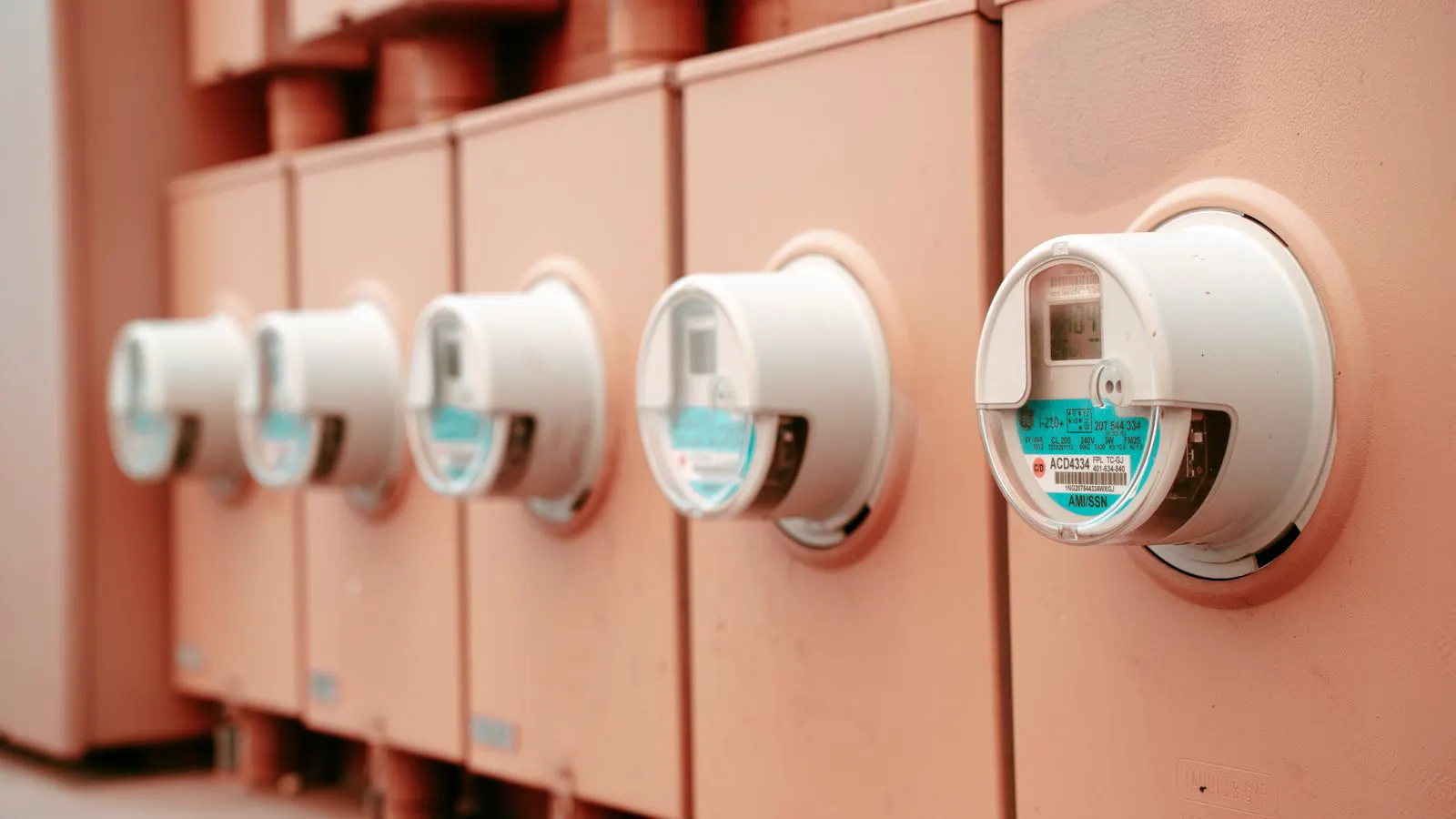
- Select a Measurement Tool: Use a portable power meter or a fixed installation monitor. The tool must record voltage, current, and power factor to calculate accurate energy consumption.
- Establish a Time Frame: Choose a period that represents normal operation, such as a full production week or a standard shift. Avoid periods with unusual downtime or maintenance.
- Record Production Data: Log the total volume of plastic processed during the measurement period. This is essential for calculating energy intensity.
- Calculate the Baseline: Divide the total energy consumed (kWh) by the total production volume to get your baseline energy intensity.
This approach gives you a clear, defensible number to work with for future comparisons.
Factors That Influence Energy Consumption
Several variables affect how much electricity a plastic machine uses. Recognizing these factors helps you interpret your data and make better sourcing decisions.
- Machine Design: Newer machines often have more efficient motors and drives, but older designs may still be viable if maintained well.
- Process Parameters: Temperature settings, pressure, and cycle times directly impact energy demand. Higher temperatures generally require more energy to maintain.
- Material Type: Different plastics have different melting points and flow characteristics, which can affect energy requirements.
- Maintenance Status: Worn components, such as bearings or heating elements, can increase energy consumption due to inefficiency.
- Ambient Conditions: Factory temperature and humidity can influence the load on cooling systems and air conditioning, indirectly affecting overall energy use.
When evaluating new equipment, ask the supplier for typical energy consumption figures under standard conditions. Compare this with your own baseline to see if the new machine offers a real improvement.
Worked Example of Energy Measurement
Imagine a factory runs a plastic injection molding machine for one full week. The machine produces 5,000 kilograms of finished parts during this period.
At the end of the week, the power meter records a total electricity consumption of 1,200 kWh for the machine.
To find the energy intensity, divide the total energy used by the total production:
1,200 kWh / 5,000 kg = 0.24 kWh per kg.
This means the machine uses 0.24 kilowatt-hours of electricity to produce one kilogram of plastic. If the factory later upgrades the machine or optimizes its process, it can compare the new energy intensity against this 0.24 kWh/kg baseline. If the new value is lower, the change has improved energy efficiency. If it is higher, the team can investigate why.
This simple calculation turns raw data into a useful metric for decision-making.
Using Data to Improve Efficiency
Once you have a baseline, you can use the data to identify areas for improvement.
- Identify Standby Waste: Use power tracking data to see how much energy the machine uses during idle periods. If the machine is left running overnight, you can calculate the cost and consider turning it off.
- Compare Shifts: Look at energy intensity by shift. Differences may reveal operator practices, material variations, or maintenance issues.
- Track Trend Over Time: Plot your monthly energy intensity values on a simple chart. A gradual upward trend may indicate wear and tear or process drift.
- Evaluate Upgrades: Before buying new equipment, use your baseline to estimate potential savings. If a new machine is advertised as 10% more efficient, apply that percentage to your current baseline to see the expected reduction in kWh.
This data-driven approach helps prioritize investments and ensures that efficiency improvements are measurable and real.
Common Mistakes to Avoid
Even with the best intentions, energy measurement can go wrong if certain errors are not avoided.
- Inconsistent Scope: Measuring a full line one month and only the extruder the next makes comparison impossible. Keep the scope consistent.
- Ignoring Production Volume: Tracking only kWh without recording output volume prevents you from calculating true energy intensity.
- Short Time Frames: Measuring for a single hour or shift may not capture the full picture. Use longer periods that represent typical operation.
- Assuming All Energy is Equal: Electricity costs vary by time of day in some regions. If you are optimizing for cost, consider time-of-use rates when analyzing data.
- Neglecting Maintenance: A machine that is not properly maintained will consume more energy than expected. Always factor maintenance status into your interpretation.
Avoiding these mistakes ensures that your data is reliable and useful for making informed decisions.
How to Present Your Findings
When sharing energy data with management or using it for sourcing decisions, clarity is important.
Start with your baseline energy intensity, such as kWh per unit of output. Then, present any changes or improvements as a percentage or absolute reduction. For example, “Optimizing cycle times reduced energy intensity by 0.02 kWh/kg, which is equivalent to a 10% improvement.”
Use simple charts to show trends over time. A line graph of monthly energy intensity is easy to understand and highlights changes at a glance.
Finally, include a brief recommendation based on the data. For instance, “The data suggests that upgrading the heating controller could reduce standby energy use by an estimated 15%.” This turns raw numbers into actionable insights.
Frequently asked questions
What is the best unit for measuring plastic machine energy efficiency?
Kilowatt-hours per unit of output, such as per kilogram or per part, is the most common and useful unit. It accounts for both energy use and production volume.
Do I need an expensive energy management system to measure consumption?
No. A basic portable power meter can provide accurate data for a few weeks. You only need more advanced systems if you require real-time monitoring or detailed breakdowns by component.
How long should I measure to get a reliable baseline?
At least one full production week or one complete shift cycle is recommended. This helps smooth out short-term variations and gives a more representative average.
Can I compare energy data from different machines?
Yes, as long as you use the same unit of output, such as kWh per kilogram. This normalization allows fair comparison even if the machines produce at different rates.
What if my energy data fluctuates a lot?
Look for patterns in the fluctuations, such as specific shifts or material changes. Averaging over a longer period usually provides a more stable baseline for decision-making.