Checklist: Verifying Machine Utility Requirements
This checklist helps engineering and facility teams verify utility requirements before commissioning new plastics machinery. It covers power, compressed air, water, and space to prevent costly delays, protect machinery ROI, and ensure a smooth machine setup.
- Confirm total utility load with electrical, air, and water calculations before the machine arrives.
- Verify space, floor strength, and access for service and material handling.
- Check existing infrastructure for compatibility to avoid emergency upgrades.
- Review documentation to ensure all utility connections meet the machine manufacturer specifications.
- Plan for commissioning delays caused by unexpected site modifications.
Why Utility Checks Matter for Machinery ROI
A new machine does not generate value until it is installed, connected, and running. The machinery ROI calculation often assumes a clean start. If the site is not ready, the payback period stretches.
Delays happen when utility connections are late. They also happen when space is too tight for the intended layout. These issues are not just operational headaches. They are direct cost drivers.
This checklist helps your team verify site readiness. It is organized by theme. Each item includes a short explanation and a red flag to watch for.
Power Supply Verification
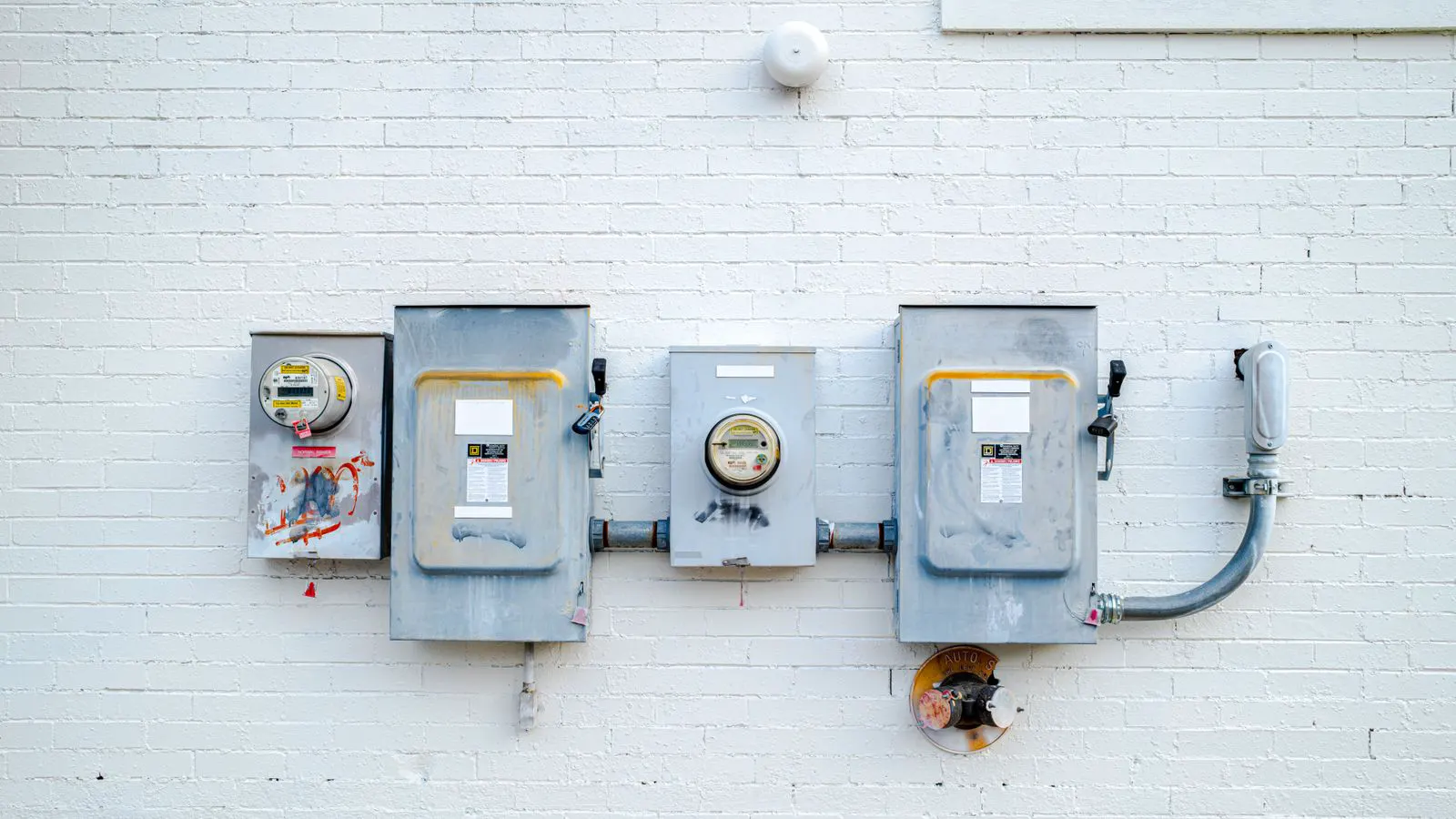
The electrical system is the most common source of commissioning delays. New machinery often requires specific voltage, phase, and amperage levels.
1. Confirm Voltage and Phase
Check the machine nameplate against the site supply. A three-phase supply is standard for large injection molders or extrusion lines. Single-phase may suffice for smaller units.
Red flag: The site supply is 400V but the machine requires 480V. This mismatch requires a transformer or a different machine model.
2. Calculate Total Power Demand
Do not just look at the nameplate. Add the power draw of ancillary equipment. This includes hydraulic units, heating elements, vacuum pumps, and control cabinets.
Red flag: The total demand exceeds the available circuit capacity. You will need a new breaker or a new panel.
3. Verify Frequency
Most industrial equipment runs on 50Hz or 60Hz. The machine must match the grid.
Red flag: A machine imported from one region is installed in another with a different frequency standard without modification.
4. Check Grounding and Neutral
Proper grounding is a safety requirement. It also protects sensitive control electronics from voltage spikes.
Red flag: Grounding resistance is high or the neutral and ground are not separated as required by local codes.
Compressed Air and Vacuum Systems
Air and vacuum are often overlooked in the planning phase. They are not optional for many machines.
5. Confirm Air Pressure and Flow
Injection molders, extruders, and packaging equipment all draw compressed air. Check the required pressure in bar or psi. Also check the flow rate in CFM or L/min.
Red flag: The compressor output is sufficient for existing machines but not for the new one. The air pressure will drop when the new machine cycles.
6. Check Air Quality
Oil-free air is required for many plastic processing applications. Contaminated air can damage seals, clog regulators, or contaminate the melt.
Red flag: The existing air system uses a compressor with an oil separator. The air quality may not meet the machine specification.
7. Verify Vacuum Capacity
Many machines use vacuum for material handling or mold cooling. Ensure the vacuum pump has enough capacity.
Red flag: The vacuum system is shared with other equipment. The new machine will steal vacuum capacity and cause performance issues.
Water and Cooling Systems
Cooling is critical for consistent part quality and machine longevity.
8. Confirm Cooling Water Volume and Temperature
The machine requires a specific volume of water per minute. The temperature must also be within range.
Red flag: The cooling tower is undersized. The water temperature rises during peak production, leading to inconsistent cycle times.
9. Check Water Quality
Minerals in hard water can scale inside pipes and heat exchangers. This reduces efficiency and causes blockages.
Red flag: The local water supply is very hard. The machine manufacturer recommends a water treatment system, but it is not installed.
10. Verify Return Flow
The machine needs a way to return the cooling water. The return line must be sized correctly.
Red flag: The return line is too small. It creates turbulence and air pockets, which can damage the pump.
Space and Structural Requirements
The machine must fit. More than that, it must fit in a way that allows for operation and maintenance.
11. Measure Clearances
The machine has a footprint. It also needs service clearances. Hydraulic hoses, mold clamps, and operator access all take up space.
Red flag: The machine fits in the space, but there is no room to open the mold clamp. Maintenance becomes a difficult and slow task.
12. Check Floor Loading
Machines are heavy. The floor must support the static load and the dynamic loads from vibration.
Red flag: The machine is being installed on a mezzanine or an old slab that was not designed for heavy industrial loads.
13. Verify Access for Cranes or Hoists
Large machines often need a crane for installation. The ceiling height and door size must allow for the lift.
Red flag: The machine can fit through the door on the floor, but not through the door on the mezzanine. Or the crane cannot reach the machine because of overhead pipes.
Documentation and Planning
Paperwork is not just administrative. It is the record of what was agreed and what was checked.
14. Review the Utility Connection Sheet
The machine manufacturer should provide a utility connection sheet. This is the single source of truth.
Red flag: The utility connection sheet is missing or outdated. The site team is guessing based on old drawings.
15. Confirm Machine Setup Sequence
The order of operations matters. You may need to install the foundation before the machine. You may need to connect utilities before the machine is leveled.
Red flag: The site team plans to connect the machine before the foundation is cured. This can damage the machine and the foundation.
16. Plan for Commissioning Delays
Even with a perfect checklist, things can go wrong. Build buffer time into your schedule.
Red flag: The project schedule has no slack. Any delay in utilities pushes the entire production start date back.
Utility Load Comparison Table
The table below shows typical utility requirements for common machine types. Use it as a reference, not a specification. Always verify with the machine nameplate and manufacturer documentation.
| Machine Type | Power (Typical) | Air Pressure (Typical) | Water (Typical) | Key Check |
|---|---|---|---|---|
| Injection Molder (50-200 ton) | 110-480V, 3-phase | 6-8 bar | 5-15 L/min | Hydraulic system pressure |
| Extrusion Line | 400V, 3-phase | 6-7 bar | 10-30 L/min | Die heating power draw |
| Blow Molder | 400V, 3-phase | 6-8 bar | 5-10 L/min | Mold cooling water flow |
| Injection Molder (5-20 ton) | 230-400V, 3-phase | 6-7 bar | 3-10 L/min | Control cabinet power |
| Compounding Granulator | 400V, 3-phase | 4-6 bar | 5-15 L/min | Vacuum system capacity |
Final Verification Steps
The final steps are about closing the loop. Before the machine arrives, walk the site with the checklist in hand.
- Electrical: Confirm the panel, breakers, and cables are ready.
- Air: Test the compressor at the tap point where the machine will connect.
- Water: Measure the flow at the cooling connection.
- Space: Use a laser measure to verify all clearances.
- Documentation: Sign off on the utility connection sheet.
If any item fails, fix it before the machine arrives. It is far cheaper to upgrade a breaker now than to shut down the line after commissioning.
A clean site is a prerequisite for a clean start. The machinery ROI calculation assumes the machine runs. This checklist ensures the machine can run.
Frequently asked questions
Do I need to check the water pressure for small machines?
Yes. Even small injection molders require cooling water for mold temperature control. The volume may be low, but the pressure and quality must be correct to prevent scaling and uneven cooling.
How do I know if my floor can support a new machine?
Check the original structural drawings for the floor slab. If you are unsure, consult a structural engineer. The load includes the static weight of the machine and the dynamic forces from operation.
What if the site uses 220V single-phase power?
Most modern plastics machinery requires three-phase power. If the site only has single-phase, you will need a transformer or a different machine. This is a major cost and lead time issue.
Can I install the machine before the utilities are ready?
It is possible, but risky. The machine may be damaged during handling if it is not leveled correctly. It is better to have the foundation cured and utilities live before the machine is rolled in.
Who should perform the final utility check?
The site engineer or facility manager should perform the final check. They should have the machine documentation in hand. The machine manufacturer can provide a pre-commissioning report if requested.