Outlook: Supply Chain Resilience in Machine Procurement
Supply chain disruptions affect machine procurement. Engineers should plan for longer lead times, component scarcity, and service gaps. This guide outlines six shifts to anticipate and preparation steps for selecting a reliable supplier.
- Prioritize suppliers with transparent component sourcing and local service presence.
- Evaluate warranty terms for parts availability, not just labor hours.
- Build supplier relationships through regular communication and shared data.
- Test spare parts compatibility before finalizing a purchase decision.
- Use multi year contracts to secure pricing and delivery windows.
How Disruptions Change Machine Selection
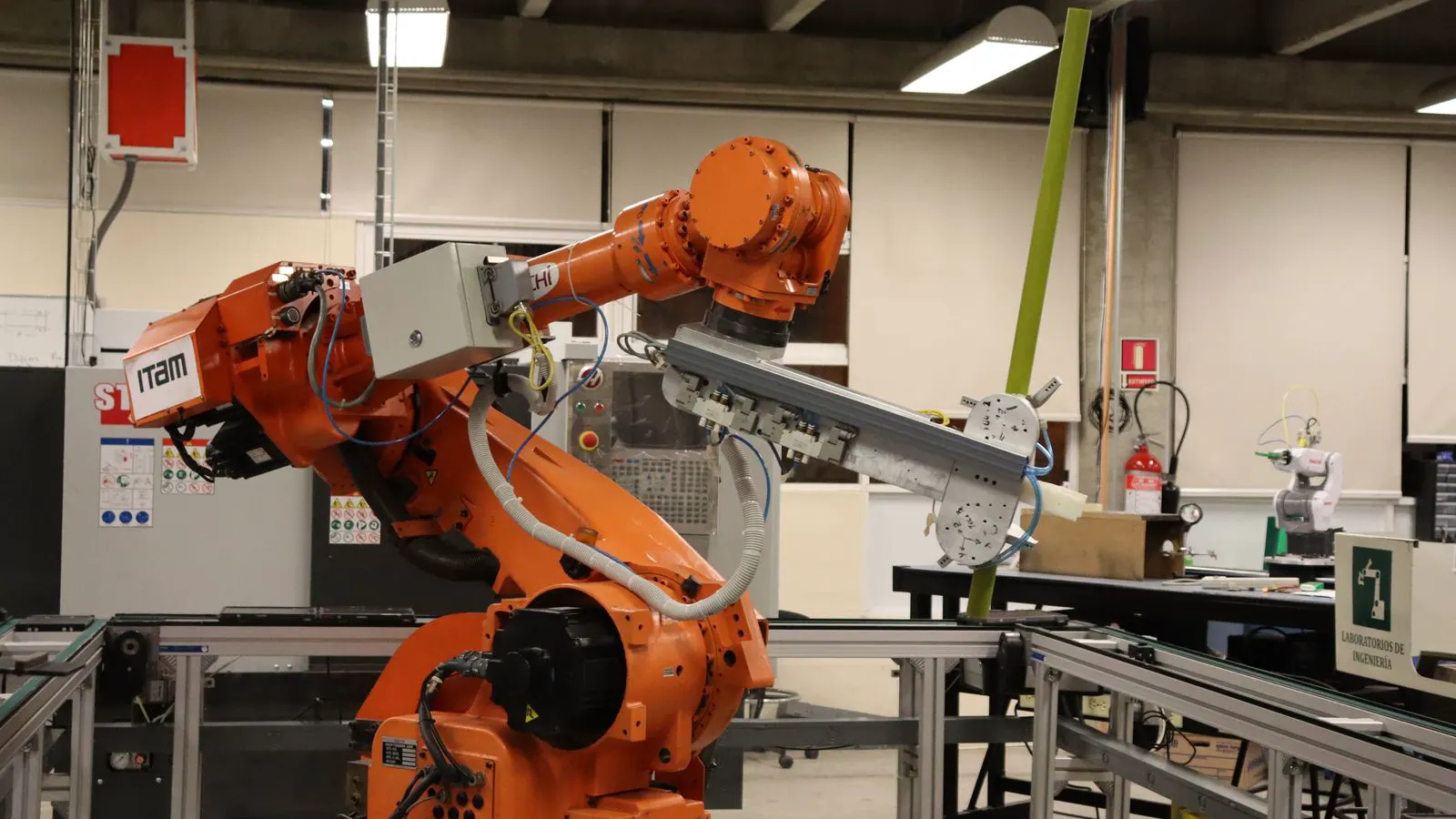
Supply chain volatility has moved from a risk item to a daily reality for manufacturers. When a resin supplier delays a shipment or a port closure extends transit times, the impact reaches the machine floor. Engineers now view the machine itself as part of a broader network. A high performance machine with a two month lead time for a single hydraulic seal becomes a production bottleneck. The machine is no longer just a piece of iron on a foundation. It is a node in a complex web of suppliers, logistics providers, and maintenance crews.
The selection process must account for the entire lifecycle. Buyers need to ask how the supplier manages component sourcing. They need to know where critical parts are manufactured and who services the equipment after installation. The focus shifts from initial purchase price to total cost of ownership and uptime protection. A machine that arrives on time but fails in year two due to unavailable parts is a poor investment. Conversely, a machine with a slightly longer delivery time but a proven local service network may be the safer choice for a production line that cannot stop.
What Shifts in Supplier Priorities
Procurement teams are rethinking what they value in a supplier. Five major shifts are shaping current and future buying decisions.
-
Local Service Capability
Distance to service engineers matters more than the distance to the factory. A regional supplier with technicians on call beats a global brand with a distant service center. Response time determines downtime. If a hydraulic pump fails on a Tuesday morning, having a local engineer arrive by Tuesday afternoon is far more valuable than having a highly qualified specialist arrive three days later from a headquarters office. Local presence also simplifies troubleshooting. Engineers who know the local electrical standards, the specific resin behaviors, and the plant layout can diagnose issues faster. -
Component Transparency
Suppliers who can name their component partners are gaining trust. Buyers want to know if a specific valve or motor is sourced locally or imported. Transparency helps when parts become scarce. If a supplier uses a standard, widely available bearing, replacement is easy. If they use a proprietary variant available only from a single manufacturer in another country, the machine is vulnerable. Transparency allows buyers to verify if a part is truly discontinued or if it is just out of stock. -
Digital Integration
Machines that provide real time data help operators predict issues. Connectivity allows remote diagnostics, reducing the need for on site visits. This is especially valuable when travel is restricted or parts are delayed. Sensors on the drive motor or the extruder barrel can send temperature and vibration data to a cloud platform. If the data shows a trend toward failure, the supplier can ship the part before the machine breaks down. This shifts maintenance from reactive to predictive. -
Flexible Contract Terms
Fixed pricing and guaranteed delivery dates are now standard expectations. Suppliers who offer multi year service agreements with clear penalties for delays are more attractive than those who only sell hardware. In volatile markets, price instability is a major risk. Contracts that lock in service rates for several years protect the buyer from sudden inflation in labor or parts costs. Clear penalty clauses also motivate the supplier to meet their delivery commitments. -
Spare Parts Availability
The ability to source a specific gasket or controller board within days, not weeks, is a deciding factor. Suppliers with local warehouses or strong regional distribution networks hold an advantage. A supplier who can ship a critical spare part from a local depot within 24 hours is far superior to one who must air freight it from a distant hub. This capability is often the difference between a minor nuisance and a major production stoppage.
How to Evaluate Component Sourcing
Component sourcing is a core part of supplier evaluation. Ask the supplier where their major subassemblies are made. A control cabinet built in Europe may use sensors from Asia. If that sensor has a six month lead time, the machine is vulnerable. The origin of the main frame is less critical than the origin of the small, specialized parts that fail frequently.
Request a bill of materials for critical components. Look for dual sourcing options. A good supplier will list two or three manufacturers for key parts. This reduces risk if one source fails. If the primary manufacturer faces a labor strike or a production error, the supplier can switch to the secondary source without stopping the production line. This redundancy is a key indicator of a mature supply chain.
Check the supplier’s inventory practices. Do they hold safety stock for high wear items? Do they have a relationship with regional distributors for fast response? These questions separate serious suppliers from those who only focus on the sale. Ask about their lead times for standard parts versus custom parts. Standard parts should have short lead times. Custom parts may take longer, but the supplier should be transparent about this difference. If a supplier cannot provide clear information on their supply chain, that is a red flag.
What to Look for in Service Terms
Warranty and service terms are where disruptions become most painful. A standard warranty may cover labor for one year but exclude parts. If a part is out of stock, the repair stops. The warranty often ends when the part is no longer available from the manufacturer, even if the machine is still under warranty. This creates a gap where the buyer is responsible for finding and paying for a replacement part.
Read the service agreement carefully. Look for guaranteed response times. Does the supplier commit to being on site within 24 or 48 hours? What happens if they miss that window? Some agreements only guarantee remote support. This is less valuable if the issue requires physical intervention. Define what constitutes a “major failure” versus a “minor issue.” A major failure should trigger immediate response, while a minor issue might be handled on the next scheduled visit.
Check parts compatibility. Some suppliers use proprietary parts that are only sold through their channels. This can lead to higher costs and longer waits. Ask if they use standard components where possible. Standard components are generally cheaper and easier to source. If the supplier insists on proprietary parts, ask why. Sometimes the proprietary design offers a specific benefit, such as better heat dissipation or easier maintenance. In other cases, it is simply a business model to lock in the customer.
| Service Feature | What to Check | Risk if Missing |
|---|---|---|
| Response Time | Guaranteed on site or remote support window | Extended downtime and production loss |
| Parts Availability | Local stock or regional distribution | Delays in repair and part substitution |
| Warranty Scope | Coverage for parts, labor, and travel | Unexpected costs after installation |
| Remote Diagnostics | Connectivity for data monitoring and troubleshooting | Increased need for on site visits |
| Contract Length | Multi year options with clear terms | Price instability and delivery uncertainty |
How to Prepare Before Procurement
Preparation reduces the impact of disruptions. Start by mapping your current supply chain. Identify single points of failure. If one supplier provides all your resins, one machine maker supplies all your equipment, and one logistics company handles all imports, you are exposed. A disruption at any of these points can halt your entire operation. Map out the critical paths and identify where alternatives exist.
Build relationships with multiple suppliers. Even if you buy from one maker, knowing a second or third option exists gives you use. Visit their facilities. Meet their service engineers. See how they handle a breakdown. Observe the quality of their workshop. Check the organization of their spare parts storage. A well organized service center is a sign of a reliable supplier. Ask their current customers about their experience. Listen for stories about delays and problems.
Create a parts inventory strategy. Identify high wear items and stock them yourself. A small inventory of seals, filters, and fuses can save days when a supplier is short. Coordinate with your supplier on a shared spare parts plan. Some suppliers will allow customers to purchase critical spares in bulk at a discount. This reduces the risk of running out of parts. It also gives you more control over your repair times.
How to Protect Your Investment Long Term
A machine is a long term asset. Your supplier relationship will determine its performance for a decade or more. Regular communication is key. Share production data with your supplier. Let them know when you plan to run new materials or increase output. This helps them anticipate needs and suggest upgrades. If you are planning to switch from a standard HDPE to a high viscosity material, the supplier can advise on necessary modifications to the extruder or the cooling system. This proactive approach prevents problems before they occur.
Review your supplier relationship annually. Check their financial health. Look at their recent projects and reference checks. A supplier that is growing and investing in technology is more likely to support you long term. A struggling company may cut back on its service team or delay product development. This can affect the long term value of your machine. Check if the machine model is still in production. If the supplier has discontinued the model, finding spare parts may become difficult.
Avoid short term thinking. The cheapest machine may save money today but cost more in downtime and repairs. Factor in service quality and parts availability when you calculate true cost. A supplier who delivers on time and supports your line is worth a premium price. The cost of downtime is usually much higher than the premium paid for a reliable supplier. Calculate the cost of a single day of production loss and compare it to the price difference between two suppliers. This perspective often changes the buying decision.
What to Do When Disruptions Hit
Despite planning, disruptions happen. When a supplier reports a delay, ask for a revised timeline and a mitigation plan. Do not accept a vague answer. Request specific dates and reasons. If the delay is due to a part shortage, ask when the part is expected to arrive. If the delay is due to a logistical issue, ask how they are managing the transportation. Getting specific information allows you to plan your production schedule accordingly.
If a part is delayed, ask for a compatible alternative. Test it on a non critical machine first. If your line must stay running, consider temporary external support. A regional service company may be able to step in while the primary supplier resolves the issue. This requires you to have a list of qualified third party service providers. Do not wait until the breakdown to look for help. Build this list in advance.
Document every delay and its impact. This data helps in contract negotiations and future planning. It also helps you understand where your own processes are vulnerable. Keep a log of the date of the delay, the part involved, the reason for the delay, and the production impact. This log is a valuable asset when negotiating service agreements or when evaluating supplier performance.
How to Choose a Reliable Supplier
The final decision should reflect the full picture. A reliable supplier is not just a seller of machines. It is a partner in production. Look for consistency, communication, and a track record of supporting customers through difficult periods. Consistency in delivery and service is a better indicator of reliability than flashy marketing materials. Communication is about clarity and honesty. A supplier who tells you the truth about a problem, even if it is bad news, is more trustworthy than one who makes excuses.
Visit their service centers. Talk to their current customers. Ask about their experience during past disruptions. How did they handle it? What did they change? Their answer will reveal their true capability. Listen for specific examples. If a customer says the supplier was helpful, ask what they did specifically. Did they send a part? Did they send an engineer? Did they offer a discount? Specific answers are more reliable than general praise.
Choose a supplier who makes you feel confident. They should explain their processes clearly. They should not hide behind jargon. They should understand your production goals and align their support with those goals. A good supplier will ask questions about your business. They will want to know your production volume, your material types, and your quality requirements. This shows they are interested in supporting your success, not just selling a machine.
The best supplier is the one who stays with you when things go wrong. That is the test of a real partnership.
Frequently asked questions
How do I know if a supplier has good parts availability?
Ask where their critical components are sourced and if they hold local stock. Request a sample of their recent service response times.
Can I use standard components to reduce supply chain risk?
Yes, standard components are easier to source from multiple vendors. Ask if the supplier uses industry standard parts where possible.
What is the most common mistake buyers make with service terms?
Focusing only on labor coverage and ignoring parts availability and response time guarantees.
How often should I review my supplier relationship?
Annually, or whenever your production mix, volume, or supply chain changes significantly.
Is it better to buy from a local or global supplier?
It depends on your needs. Local suppliers often offer faster service. Global suppliers may offer more technology. Evaluate both based on your specific risks.