Cost and Lead Time: Sourcing Injection Moulding Robots
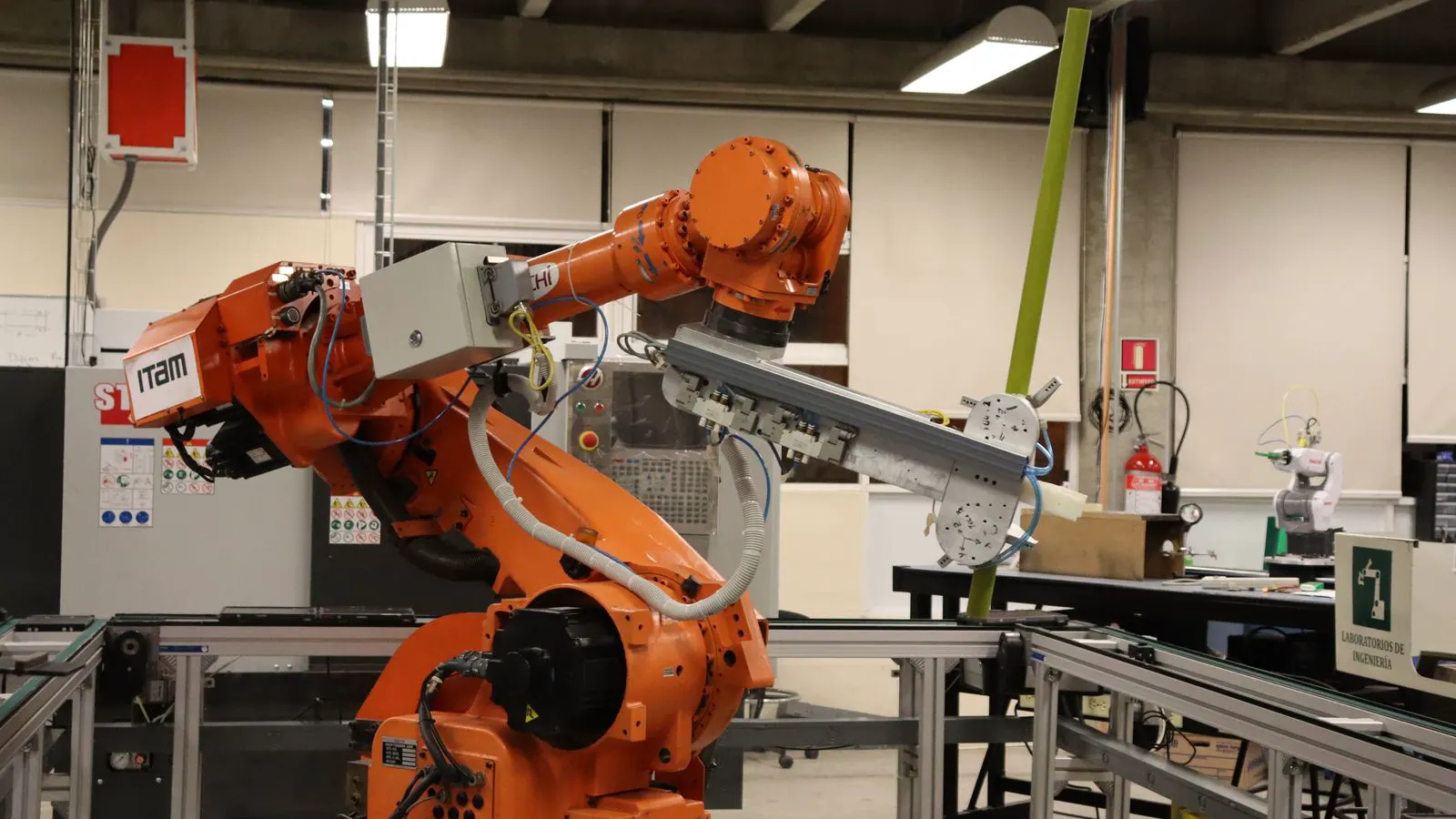
Cost and lead time for injection moulding robots depend on robot type, integration scope, and delivery logistics. A clear RFQ and fair quote comparison help procurement managers budget accurately and plan line upgrades without unexpected delays or overruns.
- Robot cost and lead time vary widely based on payload, reach, and whether the supplier includes full integration services.
- A well-structured RFQ should list cycle times, part weights, and line layout to get comparable quotes from different suppliers.
- Integration costs often exceed the robot hardware price when fixtures, sensors, and control upgrades are required.
- Lead time is driven by availability of specific robot models and the complexity of the integration project.
- Compare quotes by total installed cost, not just the price of the robot arm.
What Drives the Price of an Injection Moulding Robot
The sticker price on a robot arm is only the starting point. A procurement manager looking at cost and lead time injection moulding robots must look at the entire package. The base unit price depends on the robot type, payload capacity, and reach. A small pick-and-place unit for thin-wall packaging will cost less than a heavy-duty unit for hot runner transfer or multi-station transfer.
The bigger driver is the integration package. Most injection moulding lines do not have a ready-made interface for a robot. The supplier needs to design fixtures to match the mould cavities, add sensors for part detection, and program the robot to work with the existing machine controller. This work is labor-intensive and varies by project. A simple end-of-arm tool changeover may take a week. A complex multi-robot cell with custom conveyor and vision systems can take months.
There are also hidden costs. Electrical upgrades, structural steel supports, and safety fencing are common line items. If the existing machine controller is old, the robot supplier may charge extra for communication protocols or add a separate PLC. These items are not always visible in the first quote. Ask for a line-item breakdown before signing a contract.
How Long Does Delivery Take
Automation lead time is usually split into two parts: robot shipment and on-site integration. The robot itself is a manufactured product. Standard models are often in stock or built to order. Custom payloads or special safety features can add weeks to the production cycle. Shipping time depends on the supplier location and the buyer location. International orders face customs and freight delays. Domestic orders are usually faster.
The on-site phase is where delays most often appear. The robot supplier needs access to the plant floor. They may need to wait for the moulding machine to be available for programming. They may need to source custom fixtures that require machining time. If the line is in production, scheduling around downtime can extend the project. A realistic lead time estimate should include buffer days for these variables.
Some suppliers quote a single date. That date usually covers the robot delivery. It does not cover the full installation. Ask for a separate delivery date for the robot and a separate completion date for full commissioning. This distinction helps you plan your production calendar.
How to Write a Clear RFQ
A vague request like “I need a robot for my injection moulding line” produces vague quotes. To compare cost and lead time injection moulding robots fairly, you need to provide specific data. The RFQ should include the machine model and controller type. It should list the number of cavities, the part weight, and the cycle time.
Include a floor plan or a photo of the area where the robot will be installed. Show the distance from the mould opening to the robot base. Note any obstacles, such as overhead beams or other machines. Specify whether you need a palletizer, a transfer unit, or a simple pick-and-place. Mention any safety standards you must meet.
Ask the supplier to confirm the expected payload and reach. If the part is large, the robot may need a larger base or a longer arm. This changes the price and the footprint. A clear RFQ reduces the back-and-forth email chain. It also helps the supplier give a more accurate lead time. If you omit details, the supplier will assume worst-case scenarios. That makes the quote higher and the lead time longer than necessary.
How to Compare Quotes Fairly
Suppliers do not always price their packages the same way. One may quote the robot only. Another may quote the robot plus installation. A third may bundle the robot with a maintenance contract. To compare them, you need to normalize the scope.
Look at the total installed cost. This includes the robot, the fixtures, the electrical work, the programming, and the testing. If a quote is missing an item, ask for it. Do not assume it is free. Sometimes the supplier will say the electrical work is “on the house” but will charge extra for the safety interlocks.
Lead time is also part of the cost. A cheaper robot with a six-month lead time can cost you more in lost production than a more expensive robot that arrives in six weeks. Factor in the cost of downtime. If you are running a line with a high value product, the premium for faster delivery may be justified. If you have spare capacity, you may choose the longer lead time to save money.
Cost Drivers and Trade-Offs
The following table lists the main factors that affect the total cost and lead time of an injection moulding robot project. Use this as a checklist when reviewing quotes.
| Cost Driver | Effect on Price | Effect on Lead Time |
|---|---|---|
| Robot payload and reach | Higher payload and longer reach increase hardware cost. | Custom motors or arms may require longer production cycles. |
| Integration complexity | More fixtures and sensors increase labor cost. | Custom machining and programming take longer. |
| Machine controller compatibility | Older controllers may require extra interfaces. | Waiting for compatibility parts can delay installation. |
| Safety and compliance | Additional fencing and interlocks add hardware cost. | Safety reviews and testing take extra time. |
| Supplier service package | Extended warranties and remote support cost more. | On-site training schedules can affect final handover. |
Common Mistakes in Budgeting
Procurement teams often underestimate the integration labor. They budget for the robot arm and forget the fixtures. They do not account for the programming time. They assume the robot can be installed in one day. In reality, the first day is often spent on setup and safety checks. The second day is spent on programming and testing. The third day is spent on fine-tuning and documentation.
Another mistake is ignoring the maintenance contract. A robot without a service plan can stop production for days if a part fails. A service contract costs money, but it reduces the risk of long downtimes. It also provides access to technical support for software updates. Include this in your budget.
Finally, do not rush the RFQ process. If you send a request with missing data, you will get a generic quote. That quote is not useful for planning. Spend time gathering the machine data and the floor layout. The time you spend preparing the RFQ saves you time in negotiations and avoids costly changes later.
What to Ask the Supplier
When you review a quote, ask the supplier to clarify the scope. Ask what is included in the price. Ask what is not included. Ask for a list of the fixtures and sensors. Ask about the expected programming time. Ask about the testing protocol.
Ask about the lead time for the robot and the lead time for the installation. Ask what can be done in parallel. For example, can the fixtures be machined while the robot is being produced? This can save time. Ask about the warranty period. Ask about the response time for service calls.
Ask for references from similar projects. Ask how long the installation took. Ask about any issues that came up. Ask about the training provided to your operators. These questions help you understand the real cost and lead time of the project.
Final Checklist for Sourcing
Before you sign a contract, run through this checklist. Confirm the robot model and serial number. Confirm the payload and reach. Confirm the fixtures and sensors. Confirm the electrical requirements. Confirm the safety features. Confirm the warranty terms. Confirm the service plan. Confirm the lead time for delivery and installation. Confirm the payment terms.
If any item is missing, ask for clarification. Do not sign until you have a complete picture of the cost and lead time. A clear scope and a realistic timeline are the best way to avoid surprises. The goal is to get the robot on the floor and running smoothly. A well-planned project gets you there faster and for less money.
Frequently asked questions
What is the biggest factor that affects the cost of an injection moulding robot?
Integration complexity is often the biggest cost driver. The robot hardware is usually a fixed price, but the fixtures, sensors, and programming vary widely by project.
How long does it take to install a robot on an injection moulding line?
Installation time depends on the complexity. A simple pick-and-place unit may take a few days. A complex multi-robot cell with custom fixtures can take several weeks.
Can I compare quotes from different suppliers directly?
Only if you normalize the scope. Some quotes include installation and maintenance, while others do not. Ask for a line-item breakdown and a total installed cost.
What should I include in my RFQ to get an accurate lead time?
Include the machine model, controller type, part weight, cycle time, and a floor plan. This helps the supplier estimate the integration work and the delivery timeline accurately.
How do I avoid hidden costs in robot procurement?
Ask for a complete scope of work. Ask what is included and what is not included. Ask about electrical upgrades, safety fencing, and maintenance contracts.