New vs Refurbished Granulators: Key Differences
New granulators offer warranty and modern features, while refurbished units lower entry cost. Selection depends on machine condition, after-sales support, and intended material. Procurement teams should inspect wear parts and verify service history before purchase.
- New granulators provide full warranty and latest safety systems, at a higher capital cost.
- Refurbished units can reduce cost but require thorough inspection of wear parts and documentation.
- After-sales service and spare parts availability matter as much as the initial price.
- Match the granulator type to the material being processed and the required output.
What changes between a new and a refurbished granulator
The core difference is not just the price tag. A new unit arrives with a factory warranty, original calibration, and current safety interlocks. A refurbished unit has already operated for a period, so the buyer inherits the wear history of the previous owner.
For plastic recycling equipment, this distinction changes the risk profile of the purchase. New machines suit buyers who need predictable uptime and long-term support. Refurbished machines suit buyers who need capacity quickly or want to test a process with lower upfront spend. The decision hinges on how well the machine was maintained, what materials it processed, and whether the seller provides full service records.
Which parts need the closest inspection
Granulators are mechanical systems. They process dense, abrasive materials through cutting or crushing mechanisms. The wear points are specific.
For a refurbished unit, a buyer should focus on the following:
- Cutting assembly. Inspect the blades or cutting teeth for nicks, thinning, or uneven wear. Uneven wear indicates poor feed alignment or imbalance.
- Hopper and feed system. Check for cracks, deformation, or material buildup. The hopper guides the feed, and a damaged shape can cause jams or inconsistent size output.
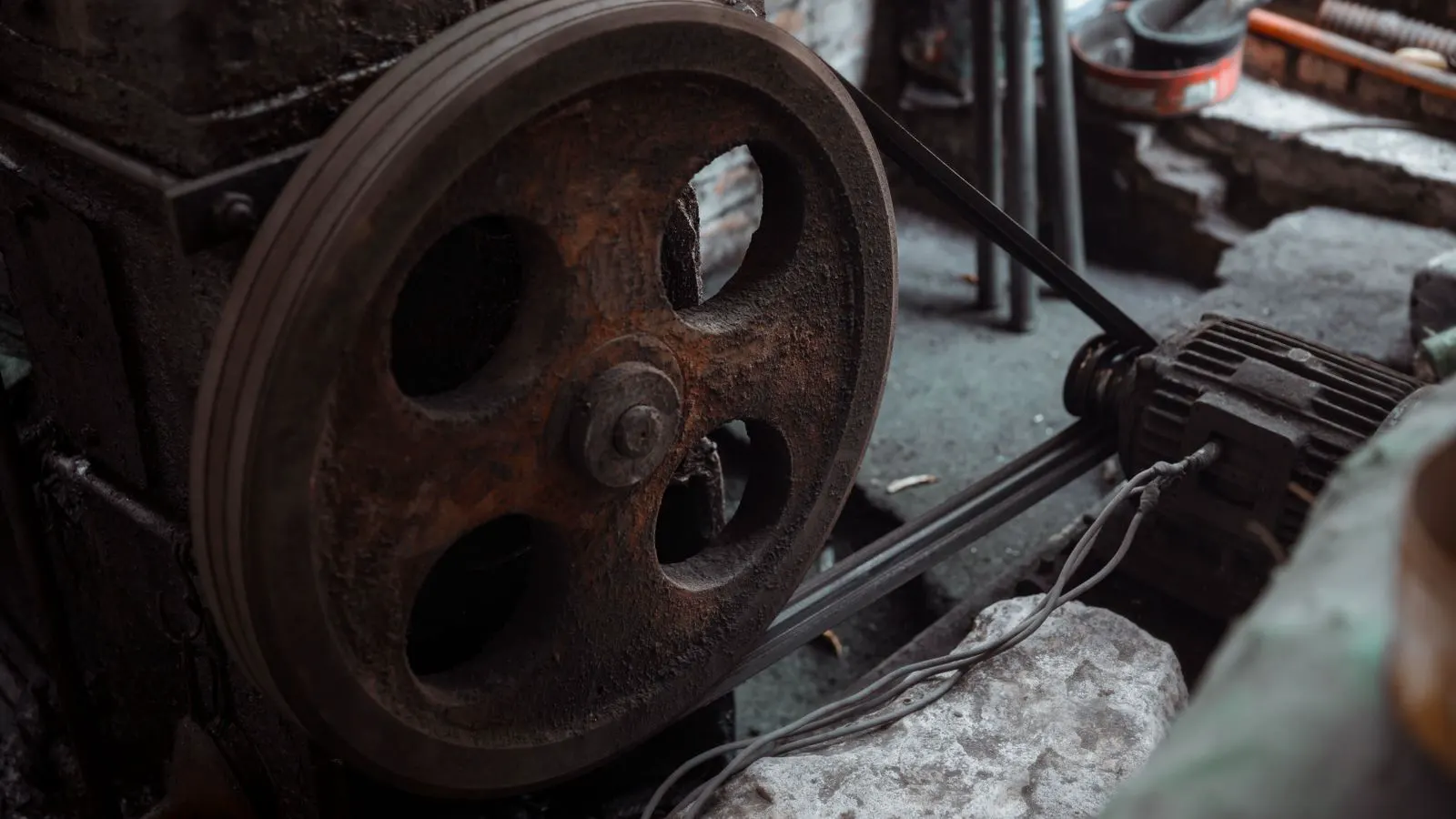
- Drive system. Examine the motor, belts, gears, and coupling. A motor that was overloaded or ran without proper lubrication may show signs of overheating or bearing play.
- Structural frame. Look for bends, weld cracks, or loose mounting points. The frame must hold the cutting assembly steady under load.
- Control cabinet and safety devices. Verify that emergency stops, light curtains, and guards function correctly. Safety interlocks are non-negotiable in any purchase.
For a new unit, the inspection is simpler. The buyer verifies that the machine matches the technical datasheet, that the software is current, and that all safety features operate as specified. The risk here is lower, but the cost is higher.
How granulator types affect the decision
Granulator types vary based on the material and the desired output. Common approaches include single-shaft, double-shaft, and twin-shaft designs, as well as various configurations for rigid and flexible plastics.
The selection process must align the granulator type with the material. Rigid thermoplastic flakes, such as PET or HDPE, behave differently from flexible films, which can tangle in the feed. A unit designed for rigid material may struggle with films, and vice versa.
When comparing a new and a refurbished unit, the type must be the same or functionally equivalent. A refurbished double-shaft granulator is not a direct substitute for a new single-shaft design, even if the price is similar. The cutting geometry, feed angle, and output size differ. A buyer must define the required granulate size and the material type before choosing the machine.
New versus refurbished: a practical comparison
The table below summarizes the key trade-offs. It does not assign a winner because the correct choice depends on the specific project.
| Option | Best for | Limitations |
|---|---|---|
| New single-shaft granulator | Stable rigid material processing with long-term warranty | Higher capital cost; limited to specific material types |
| New double-shaft granulator | Flexible films and mixed rigid materials; higher throughput | Higher cost; more complex maintenance; requires skilled operators |
| Refurbished single-shaft unit | Budget-conscious buyers needing proven rigid material capacity | No full warranty; wear history unknown; spare parts may be limited |
| Refurbished double-shaft unit | Buyers needing high throughput at lower cost | High inspection risk; complex mechanical parts; service support varies |
| New custom-built unit | Specific material or size requirements not met by standard models | Long lead time; high cost; single-source dependency for support |
A new double-shaft unit offers high capacity and handles a wider range of materials. The cost reflects the complexity. A refurbished double-shaft unit can provide that capacity at a lower price, but the buyer must verify the condition of the cutting heads and the drive system. The mechanical tolerance is tighter on these machines, and wear affects output quality directly.
After-sales service and spare parts
The machine is only half the purchase. The other half is the support network. A granulator that stops for a day costs more in lost production than the price difference between a new and a refurbished unit.
For a new unit, the manufacturer provides a warranty. The terms vary, but they typically cover mechanical and electrical components for a set period. The buyer should confirm what is excluded. Filters, blades, and wear parts are often consumables and may not be covered.
For a refurbished unit, warranty terms are negotiated. Some sellers offer a short warranty on the drive system or the cutting assembly. Others offer no warranty at all. The buyer should ask for a service history. If the previous owner kept records of blade changes, motor maintenance, and belt replacements, that document adds value. It shows the machine was maintained according to schedule.
Spare parts availability is a critical check. If the refurbished unit is an older model, parts may be discontinued. The seller should confirm whether the manufacturer still produces the required blades, belts, and bearings. If not, the buyer faces a risk of prolonged downtime. New units usually have a broader parts supply base, especially for standard models.
Total cost considerations
The initial price is not the whole cost. A buyer should look at energy consumption, maintenance frequency, and operator training.
New units often incorporate more energy-efficient motors and variable speed drives. This can reduce operating costs over time. Refurbished units may use older motor technology, which consumes more power. The difference may be small for a low-capacity unit, but it adds up for a continuous production line.
Maintenance frequency also matters. A well-maintained refurbished unit may require the same number of blade changes as a new unit. However, a poorly maintained unit may need more frequent adjustments. The buyer should ask the seller for typical maintenance intervals for that specific model. If the seller cannot provide this data, it is a warning sign.
Operator training is another factor. New units often come with training packages. The manufacturer or dealer provides a structured course for the operators. Refurbished units may not include this. If the buyer’s team has not operated that model before, they will need to invest time in learning the machine. That time is not free, and it affects production ramp-up.
When to choose a new granulator
A new granulator is the right choice when the project requires reliability and long-term support. It suits buyers who are integrating the machine into a new facility or a critical production line. The cost is higher, but the warranty and modern features reduce risk.
Choose a new unit if:
- The machine will run continuously for many years.
- The material is difficult to process and requires precise control.
- The buyer needs the latest safety and energy-saving features.
- The seller can provide a full service package, including training and spare parts.
The premium for a new unit is an investment in predictability. The buyer knows what to expect from the day of installation.
When to choose a refurbished granulator
A refurbished granulator is a viable option when the budget is constrained or when the buyer needs capacity quickly. It suits buyers who have technical staff capable of inspecting the machine and who can source spare parts independently.
Choose a refurbished unit if:
- The buyer has a lower capital budget but can manage higher maintenance risk.
- The machine will run intermittently or as a backup unit.
- The buyer can verify the service history and inspect the wear parts.
- The seller provides a solid warranty on key components.
A refurbished unit is not a low-quality alternative. Many units are refurbished to near-new condition. The key is the transparency of the seller. A reputable seller will provide access to the service records and allow a pre-purchase inspection.
Verification checklist before purchase
Before signing a purchase agreement, the buyer should complete a verification checklist. This reduces the risk of a bad purchase.
- Request the service history. Ask for records of maintenance, repairs, and parts replacements.
- Inspect the cutting assembly. Check for wear, cracks, and alignment.
- Test the safety interlocks. Verify that emergency stops and guards function correctly.
- Check the drive system. Look for belt tension, gear wear, and motor condition.
- Review the warranty terms. Understand what is covered and what is excluded.
- Confirm spare parts availability. Ask the seller to identify key consumables and their lead times.
- Verify the control system. Ensure the software is up to date and that the operator interface is clear.
- Check the structural integrity. Look for welds, bends, and mounting points.
This checklist applies to both new and refurbished units. For new units, it confirms the machine matches the datasheet. For refurbished units, it reveals the true condition of the asset.
Final decision factors
The choice between new and refurbished granulators comes down to risk tolerance and operational needs. A new unit offers certainty and support. A refurbished unit offers value and flexibility.
The buyer should define the material, the required output, and the production schedule. If the material is demanding and the production is critical, a new unit is the safer path. If the material is standard and the production is flexible, a refurbished unit can deliver strong value.
The supplier’s reputation is the final factor. A reliable supplier will stand behind the product, whether new or refurbished. They will provide clear documentation, honest assessments, and responsive after-sales service. The buyer should evaluate the supplier as carefully as they evaluate the machine. In the end, the machine is only as good as the support it receives.
Frequently asked questions
Can a refurbished granulator be as reliable as a new one?
Yes, if it was well maintained and properly refurbished. The service history and condition of the wear parts are the main indicators. A reputable seller can provide documentation that supports this claim.
What is the biggest risk with buying a refurbished granulator?
The risk is unknown wear on critical parts, such as the cutting assembly and drive system. This can lead to premature failure and unexpected repair costs. A thorough inspection mitigates this risk.
Do new granulators have better energy efficiency?
Generally, yes. New units often use modern motors and variable speed drives that reduce energy consumption. The difference can be significant for machines running long shifts.
How long does a warranty typically cover a refurbished granulator?
Terms vary by seller. Some offer short-term warranties on the drive system or cutting assembly. Others offer no warranty. The buyer should negotiate clear terms before purchase.
Should I buy a new granulator if I am new to plastic recycling?
Yes. A new unit comes with warranty, training, and manufacturer support. This reduces the learning curve and provides a safety net if issues arise during operation.