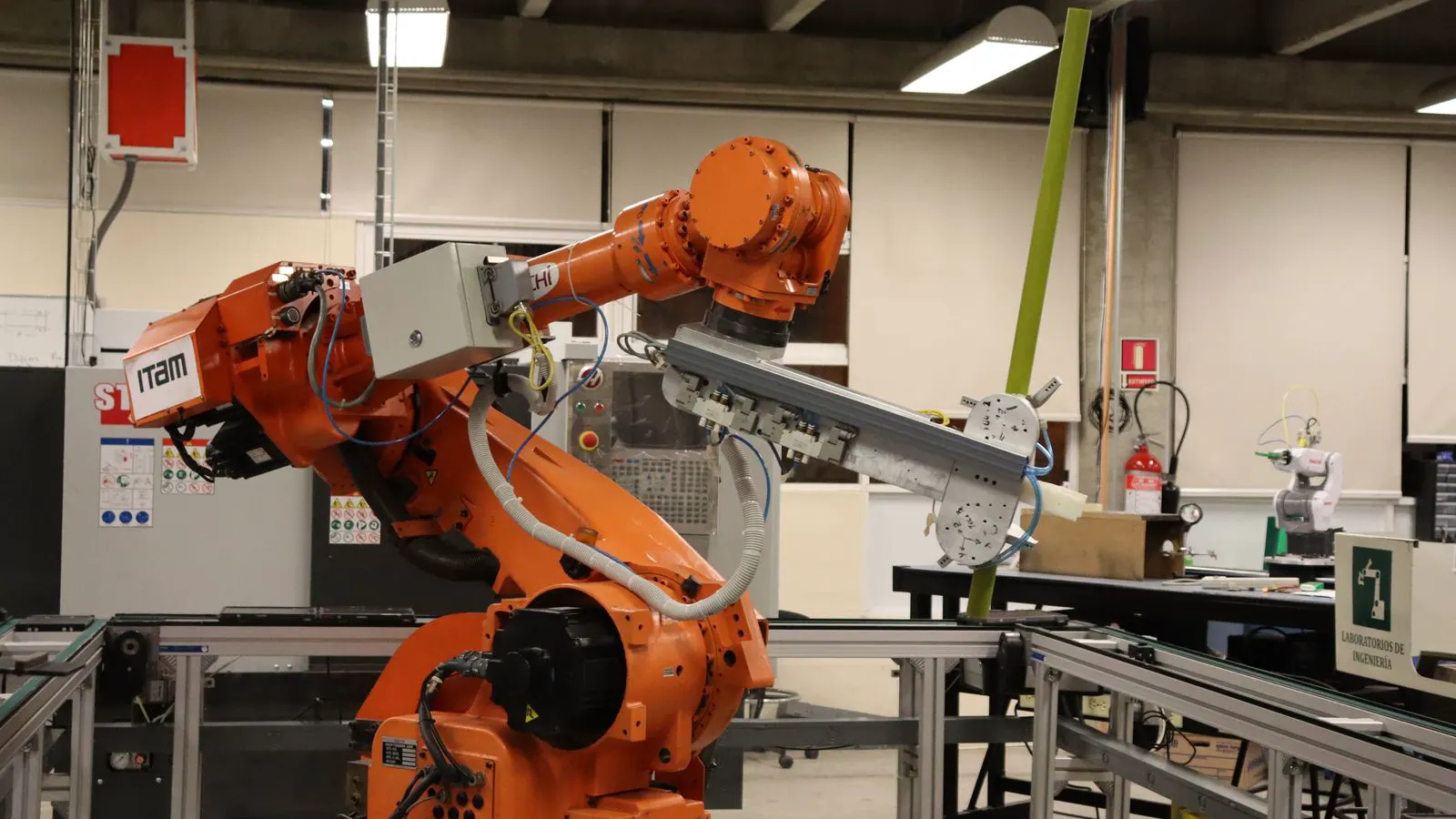
Injection Molding Trends: Automation and Energy Saving
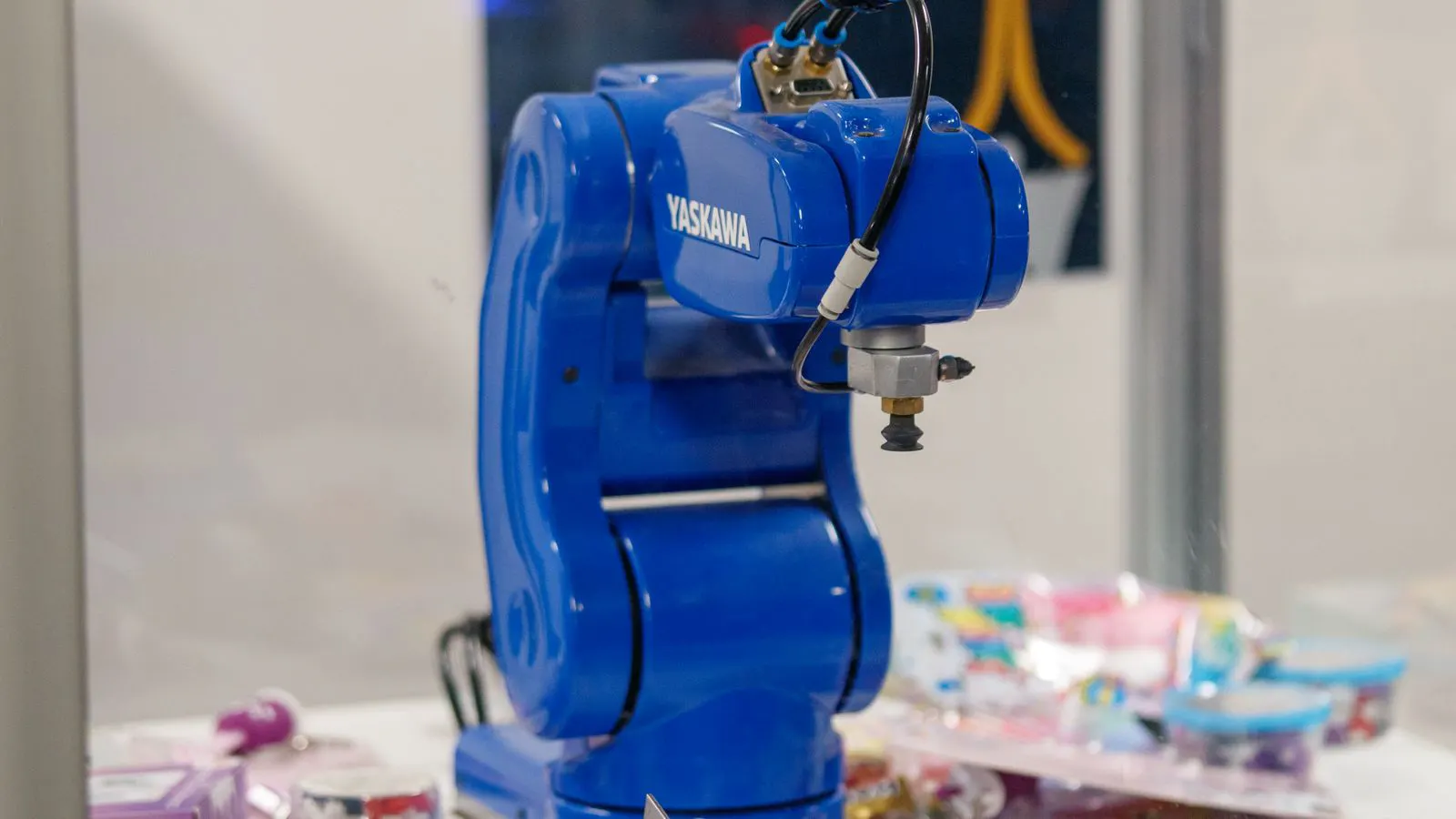
Automation and energy-saving tech are reshaping injection molding purchases. Buyers should plan for integrated robotics, predictive maintenance, and efficient drive systems. Prepare by verifying supplier technical fit, service support, and total cost of ownership before signing a purchase order.
- Plan for integrated robotics and sensor-based quality control in your next machine cycle.
- Prioritize energy-efficient drive systems and recovery features when evaluating new or refurbished units.
- Verify supplier service support, spare parts availability, and technical documentation before purchase.
- Evaluate total cost of ownership, including energy consumption and maintenance, not just the purchase price.
Injection molding is shifting from standalone machines to connected systems that manage energy use and production flow together. Buyers who treat automation and efficiency as separate line items often miss the real value in how these technologies interact. The next few years will reward those who plan their purchasing around integrated capabilities rather than isolated features. A machine that runs efficiently in isolation but cannot communicate its status to the central control system creates a data gap. That gap forces operators to rely on manual checks, which slows down response time and increases the risk of off-spec parts reaching the customer.
Where automation is moving in the next five years
The focus is shifting from simple robotic loading to full-line integration. A machine that loads and ejects parts automatically is the baseline. The next step is the machine communicating cycle data, quality metrics, and maintenance alerts to a central dashboard. This connection allows the production line to adjust in real time. If the machine detects a pressure drop in the injection unit, the system can slow down the robot or alert the operator before a batch of defective parts is produced.
Buyers should expect suppliers to offer more options for sensor-based quality control. Cameras and force sensors that detect short shots or weld lines before the part leaves the mold are becoming standard on higher-tier machines. This changes the inspection workflow. Instead of sampling after the fact, the line can flag a problem in real time. For example, an optical sensor mounted near the mold gate can identify a missing rib or a flash defect on the first part. The machine then rejects that part and sends an alert to the quality dashboard. This prevents a full bin of bad parts from accumulating.
The practical implication for purchasing is clear. A machine without data output limits the value of the robot attached to it. The robot moves parts, but the machine tells you if the part is good. When evaluating suppliers, ask how the machine records and transmits process data. Verify that the format is compatible with the quality systems already in place. If the machine outputs data in a proprietary format that your ERP system cannot read, you will need a middleware solution. That adds cost and complexity. Ask for a sample data file before signing the contract.
Energy efficiency is no longer optional
Energy costs are a larger share of operating expenses. Buyers are looking beyond the machine label to actual consumption patterns. Modern machines use servo-driven injection units, which allow precise control of pressure and speed. This reduces wasted energy during idle and partial cycles compared to older hydraulic systems. In a hydraulic machine, the pump runs at full speed even when the machine is idle. The pressure is bled off through valves, generating heat. A servo-driven machine only draws power when the platen moves or the barrel rotates. This efficiency gain is most visible during short cycles or when the machine waits for material.
Recovery features are another key area. Machines that return unused hydraulic pressure to the accumulator or use regenerative braking on the platen consume less power during the retraction stroke. This is especially relevant for high-cycle production runs where the machine sits partially loaded for a significant portion of each cycle. Consider a machine running a small, high-speed part. The injection stroke is short. The retraction stroke is long. In a non-regenerative machine, the hydraulic pump works against the load during retraction. In a regenerative system, the load drives the pump, feeding energy back into the system. The difference in power draw during that phase can be substantial.
When comparing machines, ask for realistic energy consumption data under normal production conditions, not just maximum rated power. A machine that draws less power during idle and retraction can save meaningful money over a shift. The difference is not always dramatic on a single cycle, but it compounds over thousands of cycles per year. Ask the supplier to provide a specific part profile and a corresponding energy report. If they cannot provide one, assume the machine will consume more power than the marketing materials suggest.
Supplier technical fit matters more than specs
A machine that matches the technical checklist is not enough. The supplier must be able to support the machine in the specific environment where it will run. This includes humidity, ambient temperature, and the type of material being processed. A machine designed for a cool, dry facility may struggle in a hot, humid plant. The electronics in the control cabinet may overheat. The hydraulic oil may break down faster. The supplier needs to know about these conditions to recommend the right cooling systems or oil filtration packages.
Consider the supplier’s service network. If a hydraulic pump fails on a Tuesday afternoon, the response time determines how much production is lost. A supplier with a local service center and stocked spares can restore operation within hours. A supplier that requires a factory visit can cause days of downtime. Ask about their average response time in your specific region. Ask if they have technicians who have serviced your specific machine model. A generic hydraulic technician may not know how to troubleshoot the servo integration.
The technical fit checklist should include more than just tonnage and clamp force. It should cover control system compatibility, sensor options, and the supplier’s ability to integrate the machine into an existing automation line. Ask how the supplier handles custom tooling integration and whether they provide setup support after installation. Some suppliers provide the machine and walk away. Others provide a technician to set up the robot, calibrate the sensors, and train your operators. This post-sale support is often where the real value lies. A machine that is difficult to program or maintain will cost more over its lifetime than a similar machine that is easy to use.
Refurbished versus new: the decision is shifting
The gap between new and refurbished machines is narrowing, but it is not closing. A well-maintained refurbished unit can offer strong value, especially for standard production runs. The risk lies in hidden wear. A machine that has run at high temperatures or processed abrasive materials may have internal components that show no external signs of degradation. The barrel liner may be worn thin. The pump gears may be pitted. These issues do not show up in a visual inspection. They only reveal themselves during a high-pressure test or after the machine has been running for a few days.
Buyers should inspect the machine’s service history. Ask for maintenance records, replacement part logs, and the last major overhaul date. A machine with a documented history of preventative maintenance is a different proposition from one that has been running continuously without scheduled service. Look for evidence of oil changes, filter replacements, and seal kits. If the seller cannot provide these records, treat the machine with caution. You are buying a gamble.
For buyers focused on energy efficiency, refurbished machines may lack the latest servo systems and recovery features. If energy costs are a major driver, a new machine with efficient drive systems may pay for itself faster than the savings from a refurbished purchase. The decision depends on the production profile and the expected life of the machine. If you are running a high-volume, low-complexity part, a refurbished machine is often a sound investment. If you are processing engineering resins with tight tolerances, the reliability of a new machine’s control system is worth the premium.
Planning the purchase: a practical framework
Before engaging with suppliers, define the production requirements in specific terms. The tonnage needed for the target part, the cycle time goal, the material types to be processed, and the automation level required. This framework prevents scope creep during the supplier conversation. If you do not define the requirements, the supplier will try to sell you the largest machine that fits the factory floor. That is not what you want. You want the smallest machine that meets your specifications.
The following table outlines the key areas to evaluate during the supplier selection process:
| Evaluation Area | What to Check | Why It Matters |
|---|---|---|
| Machine Configuration | Tonnage, clamp force, platen size | Determines part capability and material range |
| Automation Integration | Robot compatibility, sensor options | Affects line throughput and quality control |
| Energy Efficiency | Servo drive, recovery features, idle consumption | Directly impacts operating costs over time |
| Service Support | Response time, spare parts stock, training | Determines downtime risk and operator skill |
| Technical Documentation | Manuals, wiring diagrams, maintenance logs | Supports long-term maintenance and upgrades |
A supplier that provides clear documentation and responsive technical support reduces the risk of post-purchase issues. The machine is a five-year or ten-year commitment. The supplier relationship should be planned with the same longevity in mind. Ask about their upgrade path. If you need to add a new sensor or a different control module in three years, can they do that? A supplier who locks you into a specific, non-upgradable platform is a long-term risk.
How to prepare before the supplier meeting
Walk the production floor before the sales call. Identify the bottlenecks. If the current machine is slow on a specific part type, note the cycle time and the quality issues observed. If the robot is struggling with a particular mold configuration, document the failure mode. These details help you ask better questions. If you know the current cycle time is 45 seconds and you want to get it down to 35 seconds, you can ask the supplier to demonstrate how their machine achieves that speed with the specific part.
Prepare a list of questions that force specificity. “What is the typical energy consumption per cycle for this machine on a standard part?” is more useful than “Is this machine energy efficient?” “What is the maximum response time for a hydraulic component failure?” is more actionable than “How is your service?” These questions get you numbers. Numbers are easier to compare.
Bring the technical fit checklist to the meeting. Review it with the supplier representative. If a feature is not available, ask if it can be added later and what the cost and downtime would be. The answer reveals the supplier’s flexibility and their understanding of the product. If they say “no” to a standard integration option, ask why. If they say “yes, but it takes three days to install,” you now have a data point to consider.
The long view
Injection molding trends in automation and energy efficiency are structural changes in how machines are designed and how they are operated. The next generation of machines will be more connected, more efficient, and more demanding of the supplier’s support capabilities. The machines are no longer just tools. They are nodes in a production network. The value comes from the data they generate and the precision they provide.
Buyers who prepare with specific requirements, realistic energy targets, and a clear service expectation will make better purchasing decisions. The goal is not to buy the most expensive machine. The goal is to buy the machine that fits the production line and the supplier that will keep it running for years. The preparation takes time. It is worth the investment. A well-planned purchase reduces the risk of mismatched capabilities and unexpected costs. It positions the production line for the next phase of growth without requiring a complete rebuild.
Frequently asked questions
What is the most common mistake buyers make when evaluating automation options?
They focus on the robot and ignore the machine's data output. Without sensor integration and cycle data, the automation adds cost without improving quality control or reducing scrap.
How should buyers compare energy efficiency between different machines?
Ask for realistic consumption data under normal production conditions, not just rated power. Compare idle, retraction, and injection cycle energy use. A machine with efficient recovery features and servo drives will typically show lower consumption in high-cycle runs.
Is a refurbished machine a good option for buyers focused on energy savings?
It depends on the machine's age and configuration. Older machines may lack servo drives and recovery features. If energy costs are a major driver, a new machine with efficient systems may be more economical over its lifetime.
What documentation should be requested from a supplier before purchase?
Request the full technical manual, wiring diagrams, maintenance logs, and spare parts availability list. Also ask for the service response time and the training program for operators and maintenance staff.
How does automation affect the total cost of ownership?
Automation reduces labor costs and can improve cycle consistency, but it adds capital and maintenance costs. The total cost of ownership should include the robot, integration, sensors, and the ongoing service required to keep the integrated system running.