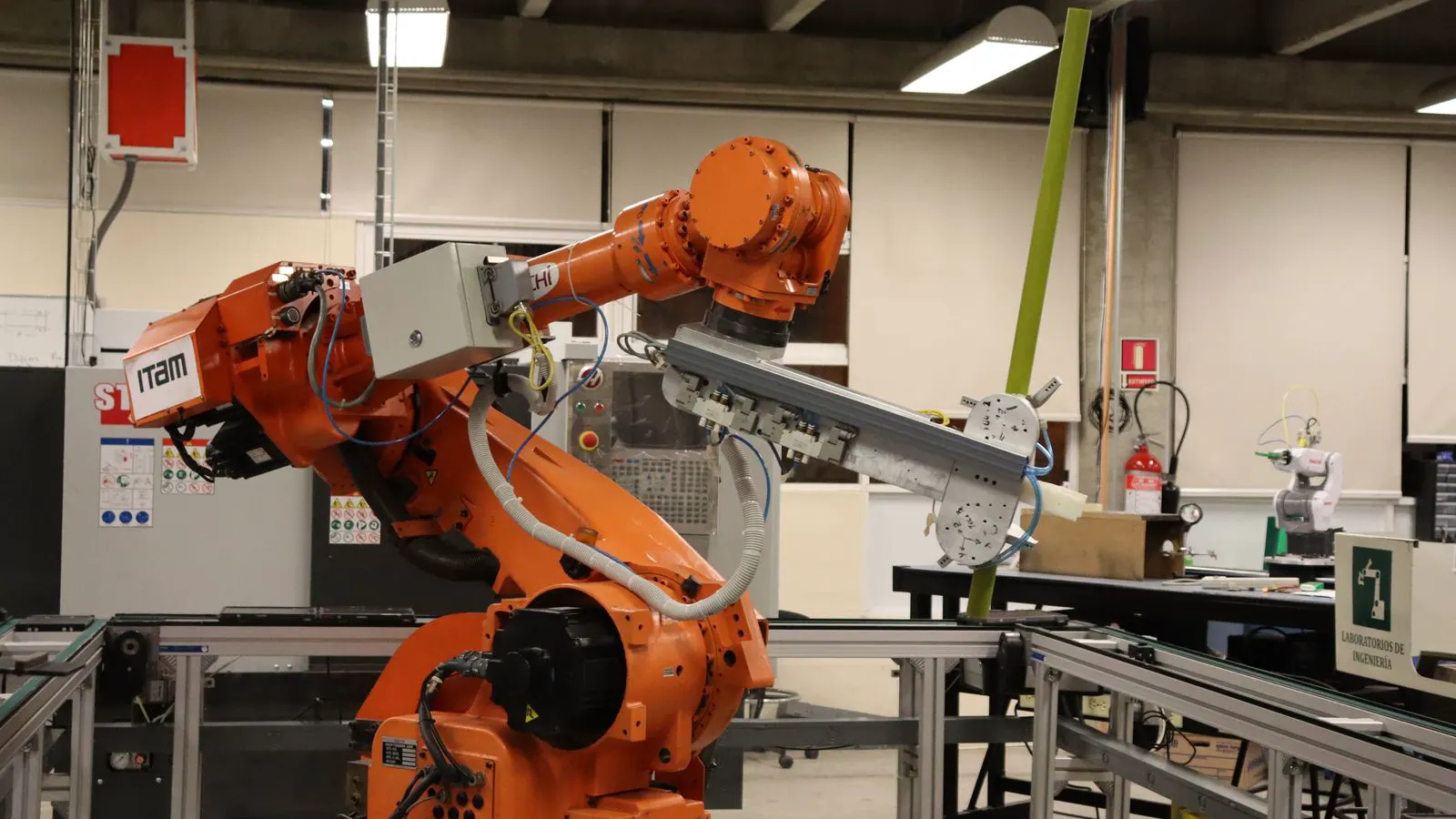
Comparison: Tier 1 vs Regional Plastics Machine Makers
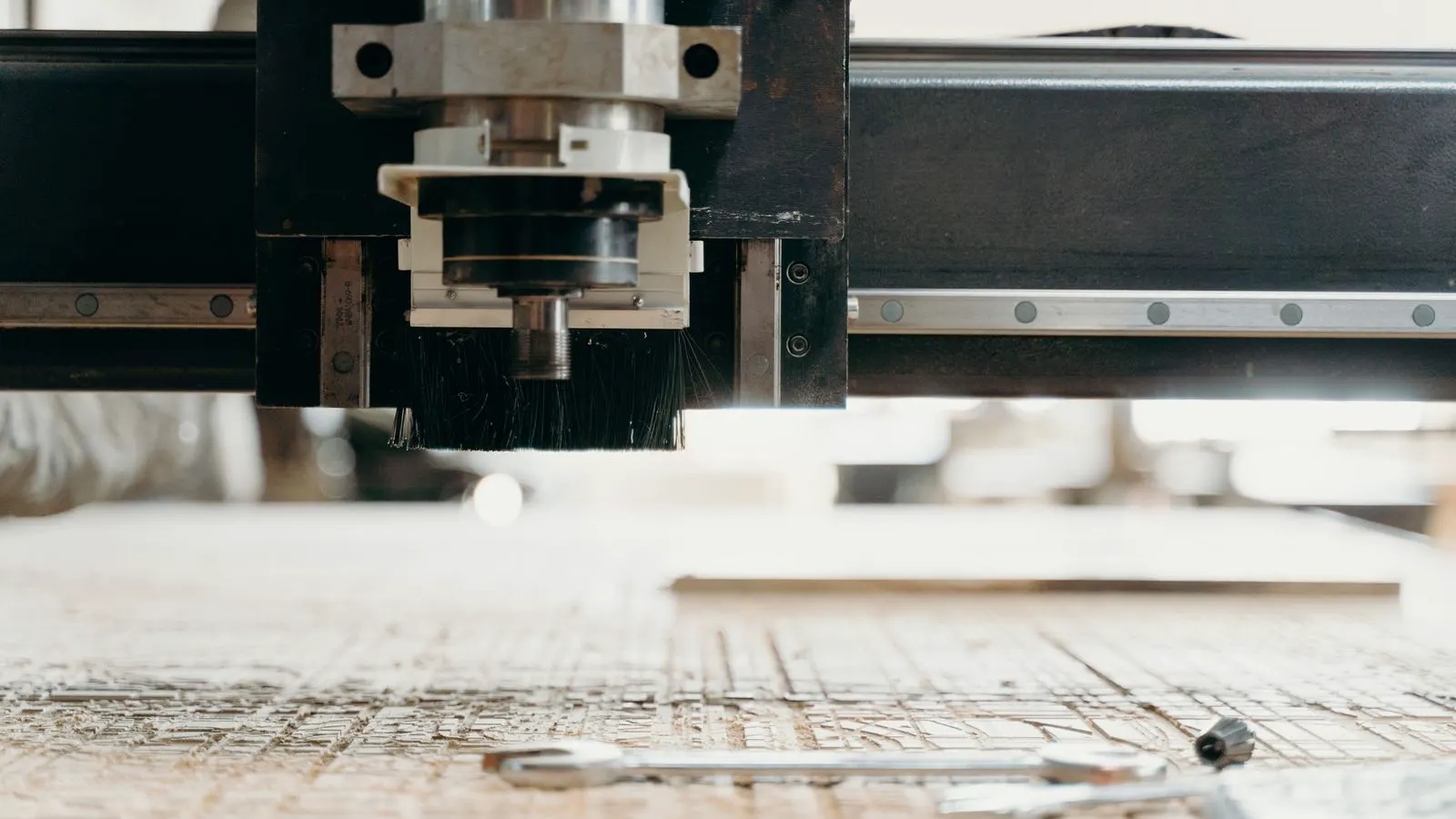
Global brands offer deep service networks and long-term parts support. Regional manufacturers provide lower capital costs and faster customization. Importers must weigh warranty response, local parts availability, and total ownership cost to choose the right supplier for their production needs.
- Tier 1 makers provide extensive global service coverage and stable long-term parts supply.
- Regional equipment manufacturers often reduce capital expenditure and offer faster customization cycles.
- Evaluate local service response times and spare parts logistics before signing a purchase order.
- Match the supplier's support structure to your line's capacity, material complexity, and downtime tolerance.
- Document warranty response metrics and service agreements to reduce operational risk during import.
Why the distinction matters for importers
Importers often face a clear choice between premium global brands and regional machine builders. The decision shapes downtime risk, spare parts flow, and total cost of ownership. A Tier 1 name may feel safe on paper, but service quality depends on local partners. A regional supplier may cost less upfront, yet long-term support can strain your maintenance team.
The key is to treat the equipment manufacturer as a partner, not just a seller. Your line needs predictable uptime. The supplier must match that need through service coverage, parts compatibility, and technical training.
For a high-volume injection molding line running two shifts, the difference between a 24-hour repair window and a 5-day parts delay changes the entire business case. The former keeps the line producing while the latter triggers overtime on other machines or missed customer deliveries. Importers must weigh these operational consequences against the initial invoice.
How Tier 1 and regional makers differ
| Option | Best for | Limitations |
|---|---|---|
| Global Tier 1 equipment manufacturer | High-volume lines, complex materials, strict uptime requirements | Higher capital cost, longer lead times, dependence on local service partners |
| Established regional manufacturer | Custom tooling, moderate volumes, faster customization | Smaller service network, variable parts availability, limited global support |
| Local or nearshore machine supplier | Short lead times, easy on-site visits, lower shipping cost | Smaller scale, fewer technical resources, limited long-term parts commitment |
| Hybrid or licensed regional unit | Balances brand support with local responsiveness | Support may depend on the parent company’s regional investment |
| New entrant or low-cost maker | Pilot lines, short-term projects, budget-constrained buyers | Unproven service track record, risk of parts discontinuation, weaker warranty terms |
Global builders usually invest in extensive field service teams. They maintain centralized parts warehouses and standardized training programs. Their machines often follow strict quality control protocols and offer structured warranty terms. The trade-off is cost. Premium brands command higher prices and longer production queues.
Regional makers focus on flexibility. They often adapt machine configurations quickly to fit local material specs or tooling needs. Their capital costs are lower. However, their service footprint may be limited to one country or region. If a hydraulic pump or controller fails outside that area, response times can stretch.
Consider a global extrusion line in a major industrial hub. The manufacturer likely has a certified technician based nearby and a local distributor stocking common wear parts like screw flighting and die plates. Now consider the same line in a rural area with no local service center. The global brand’s advantage shrinks when the technician must travel from a distant city and the parts must ship from a national warehouse.
How to evaluate supplier support before purchase
Support quality determines whether a machine runs or sits idle. Do not rely on brochures or sales claims. Ask for concrete service metrics.
- Request average response times for critical parts. Ask how quickly a replacement controller, heater zone module, or hydraulic valve reaches your site.
- Confirm whether the supplier maintains local inventory or uses a third-party distributor.
- Review warranty response protocols. A written process for claim filing and part dispatch matters more than a printed warranty period.
- Check training coverage. Does the supplier provide operator training, maintenance training, or only a manual?
- Ask about parts compatibility. Can you source replacement components from multiple suppliers, or are you locked into a single source?
Importers should also test the supplier’s communication speed. Send a technical question before purchase. Note the response time and the quality of the answer. A slow or vague reply is a warning sign.
For example, ask the supplier to explain the difference between their standard hydraulic pressure regulator and their high-precision variant. A responsive technical team will provide specific pressure ratings, flow rates, and application notes. A sales-only team may deflect with generalities about “high performance” without technical data. This test reveals whether you have access to engineering support after the sale.
Cost trade-offs beyond the sticker price
The initial purchase price is only part of the equation. Consider the full cost of running the machine.
Capital cost includes the machine price, import duties, shipping, and installation. A Tier 1 unit may carry a higher base price. Regional machines often reduce that gap. However, total cost includes energy, tooling, maintenance, and downtime.
Downtime is where the choice matters most. A regional supplier with weak local support can create long repair windows. Each idle hour affects throughput and customer commitments. If your line runs 24/7, even small delays add up.
Tooling and customization also affect cost. Regional builders may offer faster tooling changes or custom frames. Global brands may have standardized options that limit flexibility but improve parts availability.
Consider a contract manufacturer producing multiple product families on a single injection molding line. The global brand’s standardized clamping force options may force you to choose a larger machine than necessary. The regional maker might offer a custom frame that fits your exact tooling size and reduces energy consumption. This lower operating cost can offset the premium price of the global brand if the line runs at high utilization.
When to pick a Tier 1 global brand
Choose a global Tier 1 equipment manufacturer when your production depends on continuous uptime. This fits high-volume injection molding, blow molding, or extrusion lines with strict delivery schedules. These buyers often process complex resins, multi-material products, or high-precision components.
Global brands also suit lines that require consistent quality across multiple shifts. Their machines often include advanced control systems and monitoring tools. If your plant has limited in-house engineers, that technical depth matters.
Consider a Tier 1 supplier when your site is in a region with strong local service coverage. If a certified technician can arrive within a day and parts are stocked nearby, the premium price is easier to justify. Without that local presence, the brand name alone does not guarantee fast support.
For a multi-material co-injection line producing automotive interior parts, quality consistency is non-negotiable. A global brand’s structured process control and traceability features help maintain tight tolerances. The ability to diagnose and resolve process drift quickly reduces scrap rates. This operational stability often justifies the higher capital investment for buyers with long-term contracts and strict quality requirements.
When to pick a regional manufacturer
A regional machine supplier makes sense when your volumes are moderate or your product mix changes often. Start-up plants, contract manufacturers, and niche product lines often benefit from lower capital costs and faster customization. Regional makers can adjust frame sizes, heating zones, or control interfaces to match your specific line.
If your site is in the same region as the supplier, on-site support is easier. Technicians can visit frequently. Parts delivery is faster. This reduces the risk of long repair windows.
Regional builders also work well when your team has strong maintenance skills. Your own engineers can handle routine issues without waiting for a specialist. You can source standard components from local suppliers. This flexibility can offset the smaller service network.
Consider a regional extrusion line producing custom profile shapes for window frames. The regional maker can modify the die changeover system to match your specific profile geometry. This reduces changeover time and improves production efficiency. The lower capital cost allows you to invest in additional tooling or automation. This approach suits buyers who prioritize flexibility and local support over global brand recognition.
How to reduce risk when comparing suppliers
Importers can lower risk by standardizing the evaluation process. Use the same checklist for every supplier. Compare them on service terms, parts availability, lead times, and training.
Ask each supplier to provide a reference list of similar installations. Contact at least two customers. Ask about warranty claims, parts delivery, and technician quality. Note how quickly the supplier resolved issues after handover.
Review the warranty documentation carefully. Check what is covered, what is excluded, and how claims are filed. Look for response time commitments. If the supplier offers extended service plans, compare the cost against potential downtime.
Do not assume that a longer warranty period equals better support. A five-year warranty with slow response times can be worse than a two-year warranty with fast local service. Focus on what happens when the machine fails, not just what the contract says.
For instance, ask reference customers to describe their experience with a specific failure scenario. If a hydraulic pump failed on a Saturday afternoon, how long did the supplier take to dispatch a technician? How quickly did the replacement part arrive? Did the supplier provide a loaner unit or temporary workaround? These practical details reveal the true nature of the support relationship.
Final guidance for your purchase decision
The best supplier depends on your line’s priorities. If uptime is non-negotiable and your market supports global service networks, a Tier 1 equipment manufacturer is a strong fit. If capital cost, customization, and local access matter more, a regional manufacturer can deliver better value.
Match the machine supplier to your operational reality. Define your downtime tolerance. Map your parts logistics. Confirm service coverage in writing. When those factors align, the choice becomes clearer. You are not just buying a machine. You are buying a support system that keeps the line running for years.
Frequently asked questions
How do I know if a regional supplier can support my line long term?
Check whether they have local service coverage, spare parts stock, and clear response times. Ask for references from similar installations and review their warranty claim process before purchase.
Are Tier 1 machines always better for high-volume production?
Not automatically. They often provide strong service and quality, but you must verify local support coverage. If a certified technician and parts are available nearby, they are a strong fit for continuous lines.
What is the main cost difference between global and regional machine suppliers?
Global brands usually carry higher capital costs and longer lead times. Regional makers often reduce upfront cost and offer faster customization, but may have higher long-term support risk if local service is weak.
Can I mix Tier 1 and regional machines on the same line?
Yes, but parts compatibility and maintenance complexity increase. Use it when one machine type fits a specific product or shift need. Ensure your team can handle both service ecosystems.
How should I verify warranty response before buying?
Request written response time commitments and sample claim procedures. Contact past customers to confirm real-world service speed. Ask how parts are shipped and who handles on-site repairs.