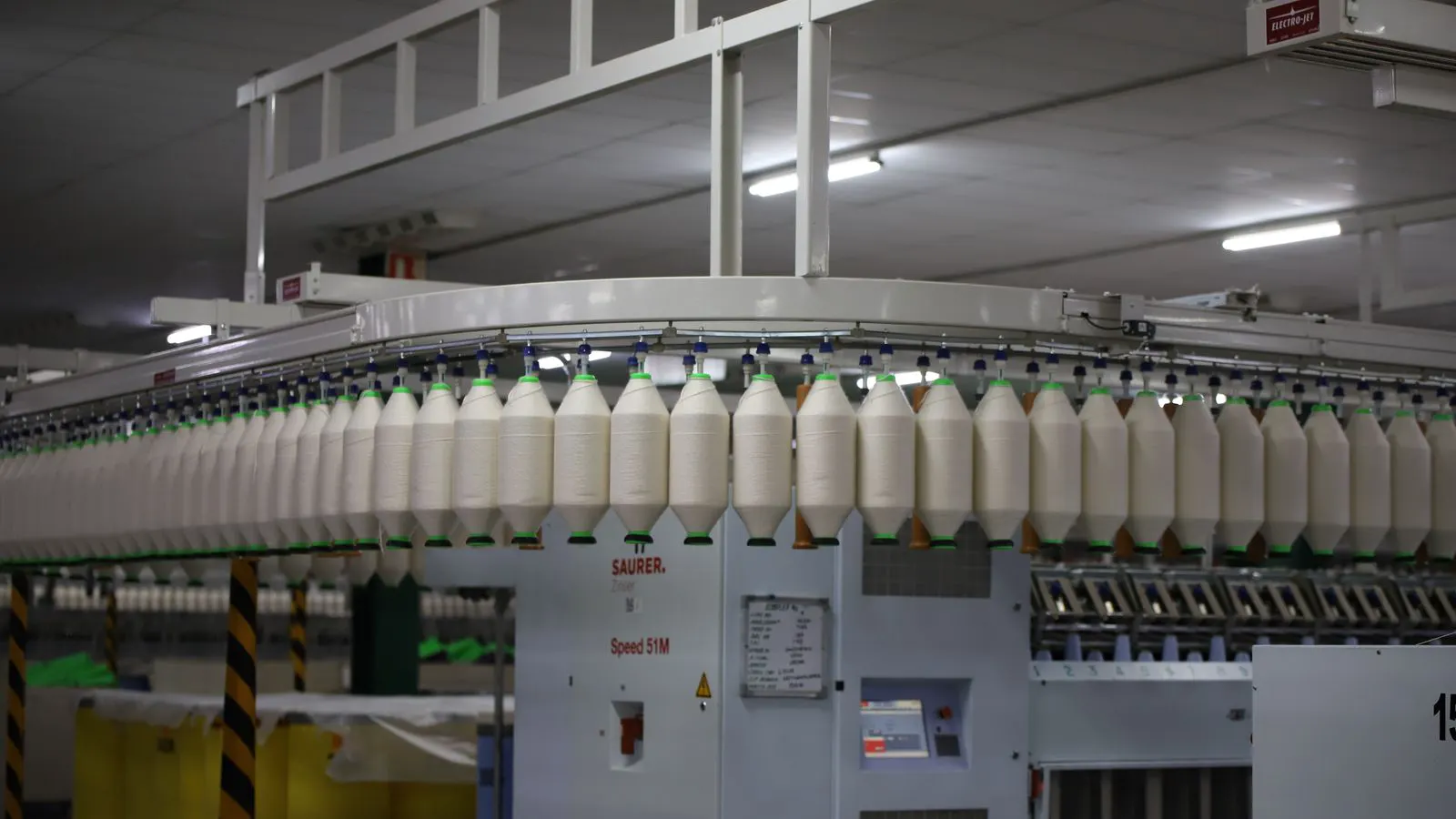
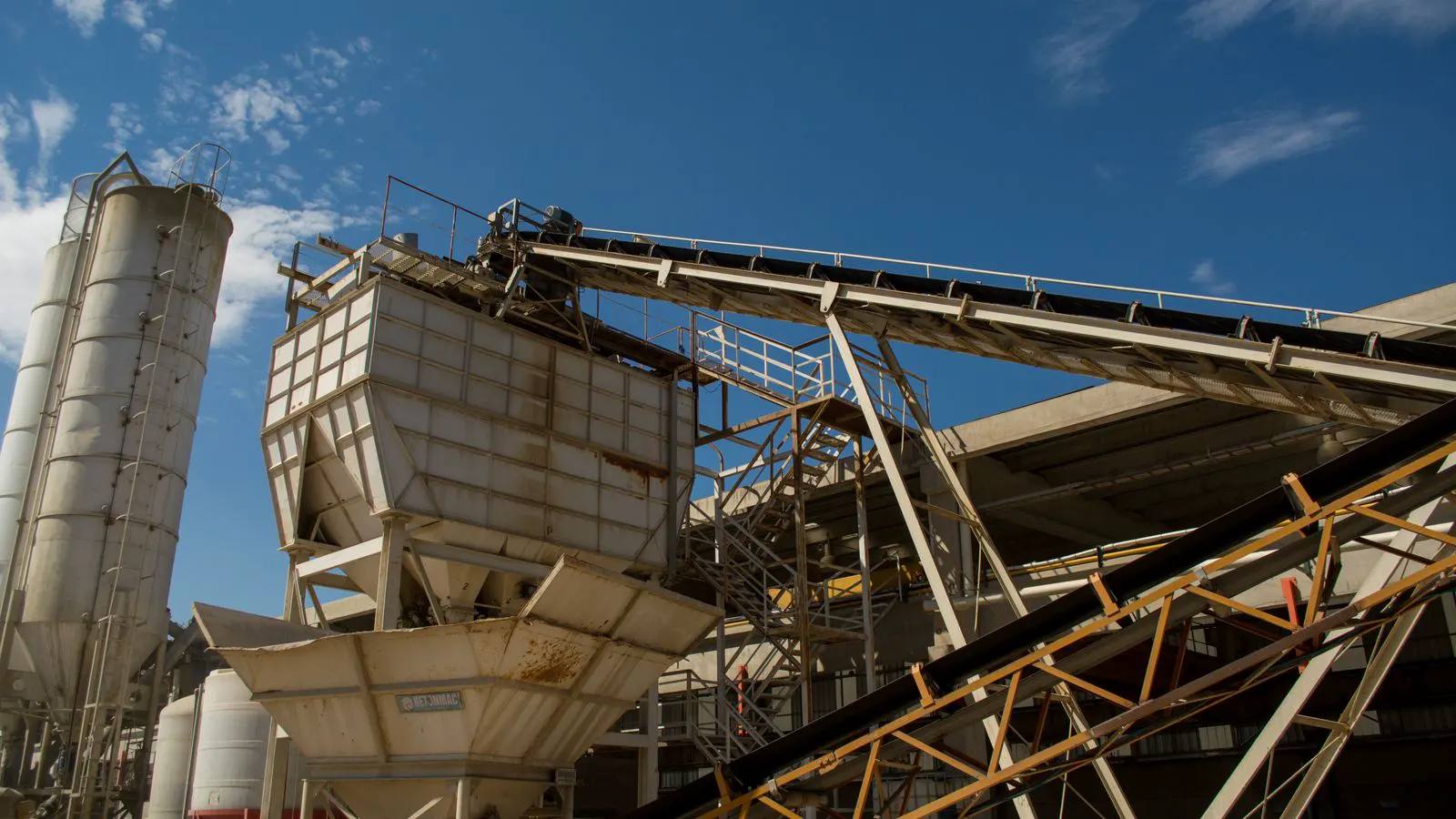
Outlook: Automation in Plastic Material Handling

Procurement managers should plan for five major shifts in plastic material handling. These include the move from manual checks to sensor-based monitoring, the integration of auxiliary systems into central control, and the need for flexible infrastructure. This outlook provides practical guidance for preparing long-term investments.
- Procurement managers should prioritize sensor-based monitoring over manual checks for long-term reliability.
- Auxiliary systems must be integrated with central control to avoid data silos and operational blind spots.
- Infrastructure planning should account for modular upgrades rather than fixed, single-purpose installations.
- Vendor selection should focus on open communication protocols and ease of integration.
- Budgeting for training and change management is as critical as capital expenditure.
The Current State of Material Handling Automation
Modern plastic processing plants operate with a mix of legacy and modern systems. Many facilities still rely on manual observations for material flow, temperature, and conveyor speed. This creates operational risks and limits the ability to scale production. As automation trends accelerate, the gap between plants that integrate auxiliary systems and those that do not grows wider.
The primary keyword, plastic material handling, encompasses more than just moving raw pellets. It includes drying, conveying, feeding, and buffer storage. Each stage presents opportunities for automation. Buyers who plan for the future must understand how these components interact. A simple conveyor upgrade without corresponding changes in auxiliary systems often fails to deliver the expected return.
Shift One: From Manual Checks to Sensor-Based Monitoring
The first major shift is the move away from periodic manual inspections toward continuous sensor-based monitoring. Traditional plants rely on operators walking the line to check hopper levels, dryer temperatures, and conveyor alignment. This method is labor-intensive and prone to error. A clogged dryer inlet or a misaligned conveyor can go unnoticed for hours, leading to downtime or product defects.
Modern auxiliary systems integrate sensors that provide real-time data. Infrared sensors monitor material temperature. Load cells measure hopper weight. Proximity sensors detect jam conditions. When these data points feed into a central dashboard, plant managers can identify trends before they become problems. For example, a gradual rise in dryer temperature may indicate a failing heating element. Early detection prevents a full failure.
Procurement managers should prioritize vendors who offer standard sensor outputs. Look for systems that support common communication protocols. This ensures the data can be integrated with existing plant networks. Avoid proprietary systems that lock you into a single ecosystem. The ability to access raw data is a critical factor in long-term planning.
Shift Two: Integration of Auxiliary Systems into Central Control
The second shift involves the deep integration of auxiliary systems into the main production control. Historically, dryers, conveyors, and coolers operated as standalone units. Each had its own controller and set of parameters. This created data silos. A change in dryer output would not automatically adjust the feeder rate. The result was inconsistent material flow and wasted energy.
Modern automation trends favor a unified control environment. The auxiliary systems communicate directly with the main machine controller. This allows for dynamic adjustments. If the dryer output drops, the feeder automatically slows down to prevent starved injection. This coordination improves material efficiency and product consistency.
When planning infrastructure, assess the control architecture of your current line. If the auxiliary systems are not networked, budget for retrofitting. This may involve installing new controllers or adding communication gateways. The cost of retrofitting is often lower than replacing the entire line. However, it requires careful planning to avoid production interruptions.
Shift Three: The Rise of Flexible and Modular Infrastructure
The third shift is the move from fixed, single-purpose installations to flexible, modular infrastructure. Traditional material handling lines are designed for a specific product and capacity. If production needs change, the line may require significant modification or replacement. This rigidity limits market responsiveness.
Modular design allows for easier reconfiguration. Conveyors can be extended or shortened. Hoppers can be swapped for different material types. Auxiliary systems can be added or removed as needed. This approach reduces the total cost of ownership over the asset lifecycle. It also shortens the time required to changeover to a new product.
Procurement managers should specify modular components in their tenders. Look for conveyors with standardized mounting points. Choose dryers with interchangeable nozzles and filters. The initial cost may be slightly higher, but the flexibility provides long-term value. This shift aligns with the broader trend toward lean manufacturing and rapid changeover.
Shift Four: Energy Efficiency as a Core Design Parameter
The fourth shift is the elevation of energy efficiency to a core design parameter. Material handling systems consume significant electricity. Dryers and conveyors run continuously. As energy costs rise, plants seek ways to reduce consumption without sacrificing throughput.
Automation enables more efficient energy management. Sensors can shut down dryers when the hopper is empty. Conveyors can adjust speed based on actual demand. Variable frequency drives reduce energy use during partial load conditions. These features are now standard in newer equipment. Older systems may require upgrades to achieve similar benefits.
When evaluating vendors, request energy consumption data under typical operating conditions. Compare these figures across different models. Look for certifications that verify energy performance. The return on investment for energy-saving features is often faster than for pure capacity upgrades. This shift requires a different financial model for procurement planning.
Shift Five: Cybersecurity and Data Governance
The fifth shift is the growing importance of cybersecurity and data governance. As auxiliary systems connect to the plant network, they become entry points for cyber threats. A compromised dryer controller could potentially disrupt production or alter process parameters. This risk is often underestimated by procurement teams.
Vendors must now provide robust security features. This includes encrypted communication, role-based access control, and regular software updates. Procurement managers should require a cybersecurity assessment as part of the vendor evaluation process. Ask about the vendor’s approach to patching and vulnerability management.
Data governance is equally important. Material handling data can be sensitive. It may reveal production volumes, product mix, and quality metrics. Establish clear policies for data ownership and access. Ensure that the auxiliary systems comply with these policies. This shift requires coordination between IT and OT (Operational Technology) teams.
How to Prepare Your Infrastructure for These Shifts
Preparing for these automation trends requires a structured approach. Start with a gap analysis of your current material handling system. Identify the components that are aging, isolated, or inefficient. Prioritize upgrades based on risk and return.
The following table summarizes the key planning areas and recommended actions for procurement managers.
| Planning Area | Recommended Action | Key Consideration |
|---|---|---|
| Sensor Integration | Install IoT sensors on dryers and conveyors | Ensure compatibility with existing PLCs |
| Control Architecture | Upgrade to a unified control system | Verify open communication protocols |
| Modular Design | Replace fixed conveyors with modular units | Check mounting standards and scalability |
| Energy Management | Add VFDs and smart thermostats | Calculate payback period on energy savings |
| Cybersecurity | Implement network segmentation | Review vendor security policies |
A numbered list of preparation steps provides a clear roadmap for execution.
- Audit your current auxiliary systems. Document the age, brand, and control protocol of each component.
- Identify the most critical pain points. Focus on areas with high downtime or energy consumption.
- Develop a phased upgrade plan. Start with high-impact, low-risk modifications.
- Engage vendors early. Request technical specifications and cybersecurity documentation.
- Train your staff. Ensure operators understand the new sensors and control interfaces.
Vendor Selection Criteria for Long-Term Value
When selecting vendors for plastic material handling, focus on long-term value rather than initial cost. Look for companies that invest in R&D for automation and connectivity. Check their track record with similar applications. Ask for references from plants with similar production volumes.
The vendor’s support model is a critical factor. Ensure they offer spare parts availability and remote diagnostics. A vendor that can troubleshoot a sensor issue remotely can save significant downtime costs. Avoid vendors with proprietary lock-in features. You want the freedom to switch components as technology evolves.
Consider the total cost of ownership. Include installation, integration, training, and maintenance. A system with a higher upfront cost but lower operating expenses may be the better choice. Use the table above to compare options across all planning areas. This ensures a balanced evaluation.
Conclusion for Procurement Managers
The outlook for automation in plastic material handling is clear. The industry is moving toward connected, efficient, and flexible systems. Procurement managers must plan for these shifts to avoid costly retrofits and operational inefficiencies. By prioritizing sensor-based monitoring, integrated control, and modular design, you can build a resilient infrastructure.
Focus on vendors who support open standards and cybersecurity. Invest in training and change management. These factors are as important as the hardware itself. The goal is not just to buy equipment, but to build a system that can adapt to future demands. This approach ensures that your material handling infrastructure remains a competitive advantage.
Frequently asked questions
What is the most common mistake in material handling automation?
The most common mistake is upgrading only the conveyors without integrating the auxiliary systems. This creates data silos and limits the benefits of automation.
How long does it take to retrofit a legacy line with modern sensors?
Retrofitting a legacy line typically takes several weeks to a few months, depending on the complexity of the existing control system. Planning for production downtime is essential.
What communication protocols are most common in auxiliary systems?
Common protocols include Ethernet/IP, Profinet, and Modbus TCP. Ensure that your PLC and auxiliary systems support the same protocol to avoid compatibility issues.
How can I ensure cybersecurity for my material handling systems?
Implement network segmentation to isolate OT from IT. Require vendors to provide encrypted communication and regular security updates. Conduct a cybersecurity assessment before purchase.
What is the best way to plan for modular upgrades?
Specify components with standardized mounting points and interchangeable parts. This allows for easy expansion or reconfiguration without a full system replacement.