Cost and Lead Time: Importing Industrial Air Dryers
Importing air dryers requires balancing capital cost against delivery time. Overseas sourcing often lowers equipment price but adds logistics complexity. A structured RFQ and clear comparison criteria help buyers manage financial risk and avoid schedule delays.
- Total cost includes equipment, freight, duties, insurance, and local installation, not just the unit price.
- Lead time depends on manufacturing cycles, port congestion, and customs clearance, not just shipping distance.
- A detailed RFQ with technical specs and delivery requirements reduces quote ambiguity and improves comparison accuracy.
- Compare quotes on landed cost and delivery date, not just the sticker price from the supplier.
Buying industrial air dryers from overseas involves more than selecting a machine. The purchase decision hinges on how the total cost and delivery schedule affect your production line. Many buyers focus on the invoice price from the manufacturer. They overlook the financial weight of logistics, duties, and potential installation delays. A machine that looks cheap on paper can become expensive once it arrives late or requires unexpected site modifications.
What Drives the Price of an Imported Air Dryer
The sticker price from the supplier is only the starting point. Factory pricing depends on the dryer type, capacity, and control systems. A standard desiccant dryer for a medium extrusion line costs less than a compressed air dryer with advanced PLC integration. The difference is not just in the hardware. It is in the software licensing, sensor arrays, and the engineering hours required to calibrate the controls.
Manufacturing location affects unit cost. Labor rates, material sourcing, and factory overhead all influence the base price. However, these differences rarely justify ignoring the rest of the cost structure. A unit from a region with lower labor costs may still carry a higher price if the manufacturer has limited scale or uses imported components.
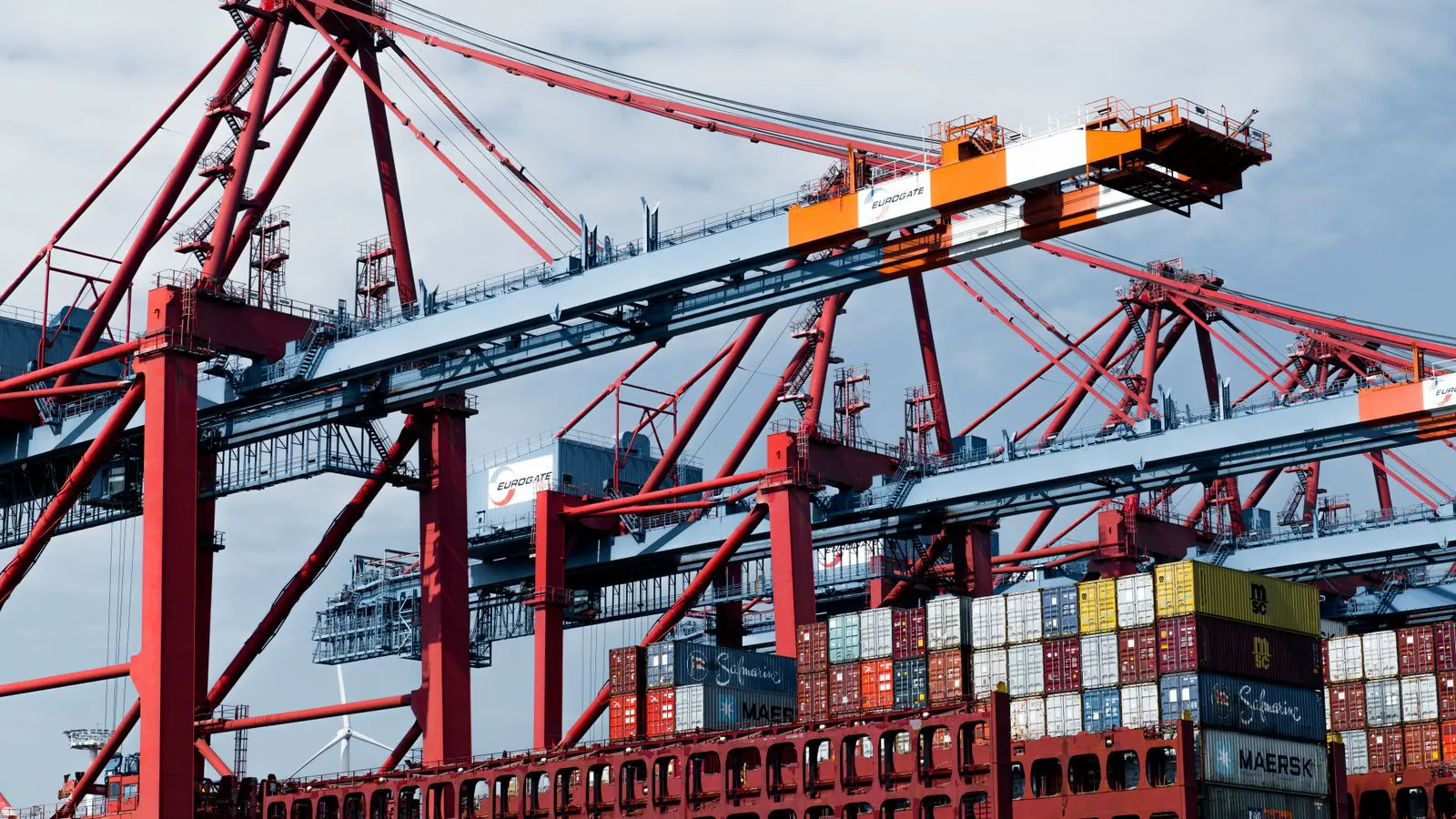
Freight costs vary widely based on shipment method. Containerized shipping is standard for large units. Air freight is rarely cost-effective for heavy machinery but may be considered for urgent, small components. Ocean freight costs depend on the route, container size, and current shipping market conditions. A full container load is cheaper per ton than a partial shipment, but a single dryer may not fill a container. In that case, you pay for the space you do not use.
Duties and taxes add a fixed or variable layer to the purchase. Import tariffs depend on the country of origin and the product classification. These rates change periodically. Buyers must verify the current classification code before finalizing a purchase. Misclassification is a common error. It leads to higher duty payments or customs holds. The machine classification for an industrial air dryer often falls under specific machinery or electrical equipment codes. Confirming this with a customs broker before shipping prevents costly re-evaluations at the port.
How Lead Time Impacts Production Planning
Lead time is the period from contract signing to equipment arrival at your facility. It includes manufacturing, packing, shipping, and customs processing. A quote showing a 10-day shipping time may miss the 6-week manufacturing queue. The shipping time is only the transit leg. It does not account for the time the machine sits in the factory waiting for parts to arrive.
Manufacturing cycles are the longest variable. Some factories operate on a continuous production schedule. Others batch orders. If a supplier has a backlog, the start date may slip. Always ask for the earliest possible delivery date, not the average. The average assumes everything goes well. The earliest date tells you the best-case scenario. You need to know the worst-case scenario to protect your production schedule. Ask the supplier to confirm the availability of critical components, such as desiccant media and control boards, before you sign the contract.
Port congestion adds unpredictability. Even with a booked vessel, terminal delays can push arrival dates by days or weeks. This is especially common during peak seasonal periods. If you are importing during a holiday rush, the port may be full. Containers stack up. Unloading becomes slow. Your dryer waits in a container yard while you pay demurrage fees.
Customs clearance is the final gate. Documentation errors can hold a container at the port. Missing certificates, incorrect product descriptions, or valuation issues cause delays. Each day of delay increases storage costs and risks production downtime. A missing certificate of origin can stop a shipment at the border. A wrong HS code can trigger a customs audit. These delays are not just annoyances. They stop your line. If your production plan depends on the dryer being installed by a specific date, the lead time must include a buffer for these unpredictable factors.
How to Write a Clear RFQ for Fair Comparison
A weak RFQ produces weak quotes. If you request a “standard air dryer, 500 kg/h” without details, suppliers will assume different configurations. The resulting quotes are hard to compare. One supplier may assume a basic manual control panel. Another may assume a fully automated PLC system with remote monitoring. You end up comparing two different machines.
List the technical requirements first. Include the type of dryer, capacity, inlet and outlet temperature, pressure rating, and control interface. Specify the material of construction for wetted parts. Mention any required certifications or safety standards. For example, if the dryer will be used in a food processing plant, specify that the interior surfaces must be food-grade stainless steel. If it is for a chemical plant, specify corrosion-resistant coatings. The more specific you are, the fewer assumptions the supplier has to make.
Define the delivery terms. Use Incoterms to clarify responsibility. For example, FOB means the supplier handles export clearance. CIF means the supplier covers cost, insurance, and freight to your port. DDP means the supplier manages everything to your door. DDP is convenient but expensive. The supplier builds in all the risks and costs for customs and local delivery. If you choose DDP, the price will be higher, but the responsibility is clear. If you choose FOB, you take over the logistics. You need a local freight forwarder to handle the shipping and customs. The choice depends on your internal capabilities. Do not choose DDP if you do not have the budget for the higher unit price. Do not choose FOB if you do not have the expertise to manage international logistics.
Request a detailed cost breakdown. Ask for the unit price, freight estimate, insurance, duty estimate, and any local service charges. This allows you to see where the cost is coming from. A supplier who will not provide a breakdown may be hiding fees. Ask for the cost of the desiccant regeneration system separately. Ask for the cost of the control cabinet. Transparency helps you identify where you can negotiate.
Specify the required documentation. Commercial invoice, packing list, bill of lading, and certificate of origin are standard. Some countries require additional health or safety certificates. List these requirements in the RFQ. If you are importing into a region with strict environmental regulations, specify the required energy efficiency certificates. If you are importing into a region with strict electrical safety standards, specify the required electrical compliance documents. Missing documents can delay the shipment by weeks.
How to Compare Quotes Fairly
Comparing quotes requires normalization. Two suppliers may offer the same dryer at different prices, but the delivery terms and included services may differ. A quote that includes installation and training is not the same as a quote that only includes the machine. You must compare apples to apples.
Create a comparison table. List each supplier’s unit price, freight, duties, insurance, and estimated delivery date. Calculate the landed cost. This is the total amount paid to receive the equipment at your facility. Do not stop at the unit price. The landed cost includes all the costs up to the point where the machine is in your warehouse.
Check the warranty terms. A lower price with a 6-month warranty is not the same as a higher price with a 2-year warranty. Factor in the cost of potential repairs during the warranty period. A 2-year warranty may save you money if the desiccant media fails early. It may also give you more time to integrate the machine into your production line. Ask what the warranty covers. Does it cover parts and labor? If you have to ship the machine back for repair, the warranty is less valuable.
Evaluate the service network. If a part fails, who performs the repair? A supplier with a local distributor may offer faster response times. A remote supplier may require you to ship parts back for repair. Ask about the availability of spare parts. If a sensor fails, can you get a replacement within a week? Or will it take a month? The service network is a hidden cost. It is the cost of downtime.
Cost and Lead Time Trade-Offs
Buying locally offers faster delivery and simpler logistics. You avoid customs, international freight, and long-distance installation. The trade-off is usually a higher unit price. Local suppliers may have higher overheads. They may charge more for service. But they are close. You can visit their facility. You can see the machine in action. You can call them if something goes wrong.
Importing reduces the equipment cost but extends the timeline. You gain price advantage but accept schedule risk. The right choice depends on your production priorities. If a line is already running, a local purchase may be safer. You need the dryer now. You cannot afford a 12-week wait. If you are building a new facility, importing may fit the budget. You have time to plan. You have time to wait. You have time to manage the logistics.
Consider phased purchasing. Buy the first unit from a local source to establish a baseline. Then import additional units once you understand the installation and maintenance requirements. This reduces risk while capturing the cost benefits of overseas sourcing. The first unit is a learning tool. It teaches you how the machine works. It teaches you how to maintain it. It teaches you what spare parts you need. Once you know this, importing the next units becomes easier. You can negotiate better terms. You can specify the exact configuration you need. You can avoid the mistakes of the first purchase.
Common Mistakes to Avoid
Underestimating local installation costs. Importing a dryer often requires new piping, power upgrades, or structural supports. These costs are local and can exceed the equipment price. Check the site requirements before buying. Measure the space. Check the power supply. Check the drainage. If the site is not ready, the installation will cost more. If the site is not ready, the installation will take longer. Both are problems you want to avoid.
Ignoring maintenance parts. Desiccant beds, filters, and sensors wear out. If you import the dryer, import the spare parts. Do not plan to source them later. Spare parts are not always cheap. They are not always available. If a sensor fails and you do not have a spare, the machine stops. The downtime costs more than the sensor. Buy the spares with the machine. This ensures you have what you need when you need it.
Accepting vague delivery dates. “Ship within 30 days” is not the same as “Deliver by October 15.” Get a firm date in writing. A vague date is a promise that is easy to break. A firm date is a contract. If the supplier cannot give you a firm date, ask why. The answer will tell you something about the supplier. It may tell you they are not ready to ship. It may tell you they are not confident in their production schedule. Both are reasons to be careful.
Skipping the final inspection. If you import a large unit, arrange a pre-shipment inspection. A third-party inspector can verify the machine matches the specifications before it leaves the factory. This is a small cost that can save you a large loss. If the machine is damaged in transit, the inspection helps you claim damage. If the machine is not as specified, the inspection helps you demand a replacement. Do not skip this step. It is the last chance to catch a problem before it becomes expensive.
Summary Table of Cost Drivers
| Cost Driver | Description | Typical Impact |
|---|---|---|
| Unit Price | Manufacturer cost for the dryer | Highest single variable |
| Freight | Shipping from origin to destination port | Medium to high |
| Duties and Taxes | Government import fees and VAT | Variable by country |
| Insurance | Coverage during transit | Low to medium |
| Installation | Local labor, piping, and electrical work | Medium to high |
| Lead Time | Manufacturing, shipping, and customs delays | Schedule risk |
Final Thoughts
Importing air dryers is a financial and logistical exercise. The goal is not to find the cheapest unit. The goal is to find the lowest total cost with an acceptable delivery date. Structure your RFQ carefully. Compare quotes on landed cost. Plan for local installation and maintenance. With a clear process, you can manage the risks of overseas sourcing and secure reliable auxiliary equipment for your plastic processing line.
Frequently asked questions
What is the biggest hidden cost when importing air dryers?
Local installation and integration costs are the most common hidden expense. Piping, electrical upgrades, and control system connections often exceed the equipment price if not planned.
How long does customs clearance usually take?
Clearance times vary by country and documentation quality. With complete paperwork, it can take a few days. With errors or inspections, it can take weeks.
Should I choose FOB or DDP when importing?
FOB gives you control over freight and insurance. DDP gives you a fixed landed price but limits your choice of logistics providers. Choose based on your local supply chain capabilities.
Can I import a used air dryer?
Yes, but it is more complex. Used equipment requires condition verification, compliance checks, and higher risk for repairs. New equipment is simpler to insure and warrant.
How do I verify if a supplier's lead time is realistic?
Ask for the manufacturing start date and a sample delivery schedule. Check if they have a production backlog. A realistic supplier will provide specific dates, not just a range.