Granulator Selection for Post-Consumer Plastic Waste
Choose granulator selection based on input variety, target granule size, and throughput. Match shredder sizing to mixed post-consumer waste characteristics to ensure stable pelletizing and reduce downtime for processing lines.
- Define input material properties before selecting equipment to avoid sizing errors.
- Match shredder sizing to the expected mix of rigid, flexible, and multi-layer plastics.
- Verify output size consistency against downstream pelletizing requirements.
- Evaluate auxiliary components like feed hoppers and safety guards as part of the selection.
- Prioritize maintenance access and spare parts availability for long-term operational efficiency.
What is granulator selection and why does it matter?
Granulator selection refers to the process of choosing the right size, type, and configuration of shredding equipment to break down plastic waste into smaller, uniform pieces. This decision is critical because the granulator is the first major step in converting raw scrap into material that can be pelletized. If the granulator cannot handle the specific mix of waste, the downstream line will face jams, inconsistent output, or excessive energy use.
For facilities handling post-consumer waste, the input material is rarely uniform. It may include bottles, containers, films, and mixed colors. This variability makes granulator selection a complex engineering and procurement task. The goal is to select a machine that can reliably process this diverse feedstock while producing output that matches the needs of the pelletizing line.
How do you define post-consumer waste inputs?
Before choosing a granulator, you must categorize the waste stream. Post-consumer waste typically falls into three categories: rigid plastics, flexible films, and multi-layer composites. Rigid plastics include HDPE bottles and PP containers. Flexible materials include LDPE bags and PVC films. Multi-layer composites are often difficult to separate and require robust cutting tools.
Understanding the proportion of each type affects shredder sizing. A machine designed for rigid bottles may struggle with long, tangled film strips that can wrap around the cutting teeth. Conversely, a granulator optimized for fine film may not have enough torque to cut thick rigid containers. Procurement managers should request a detailed material analysis from waste suppliers to establish a baseline mix.
What factors influence shredder sizing?
Shredder sizing is the technical core of granulator selection. It involves determining the cutter diameter, throat width, and motor power. The cutter diameter determines the maximum size of the feed material that can enter the machine. The throat width controls how much material can be processed at once. Motor power must be sufficient to overcome the resistance of dense or hard plastics.
For mixed post-consumer waste, a larger cutter diameter is often necessary to handle varied shapes. However, a larger cutter may reduce the precision of the cut. This creates a trade-off between throughput and output quality. Engineers often look at the target granule size as the primary driver. If the pelletizing line requires small, uniform beads, the granulator must be sized to produce a finer cut, which may reduce overall throughput.
How does output quality affect downstream operations?
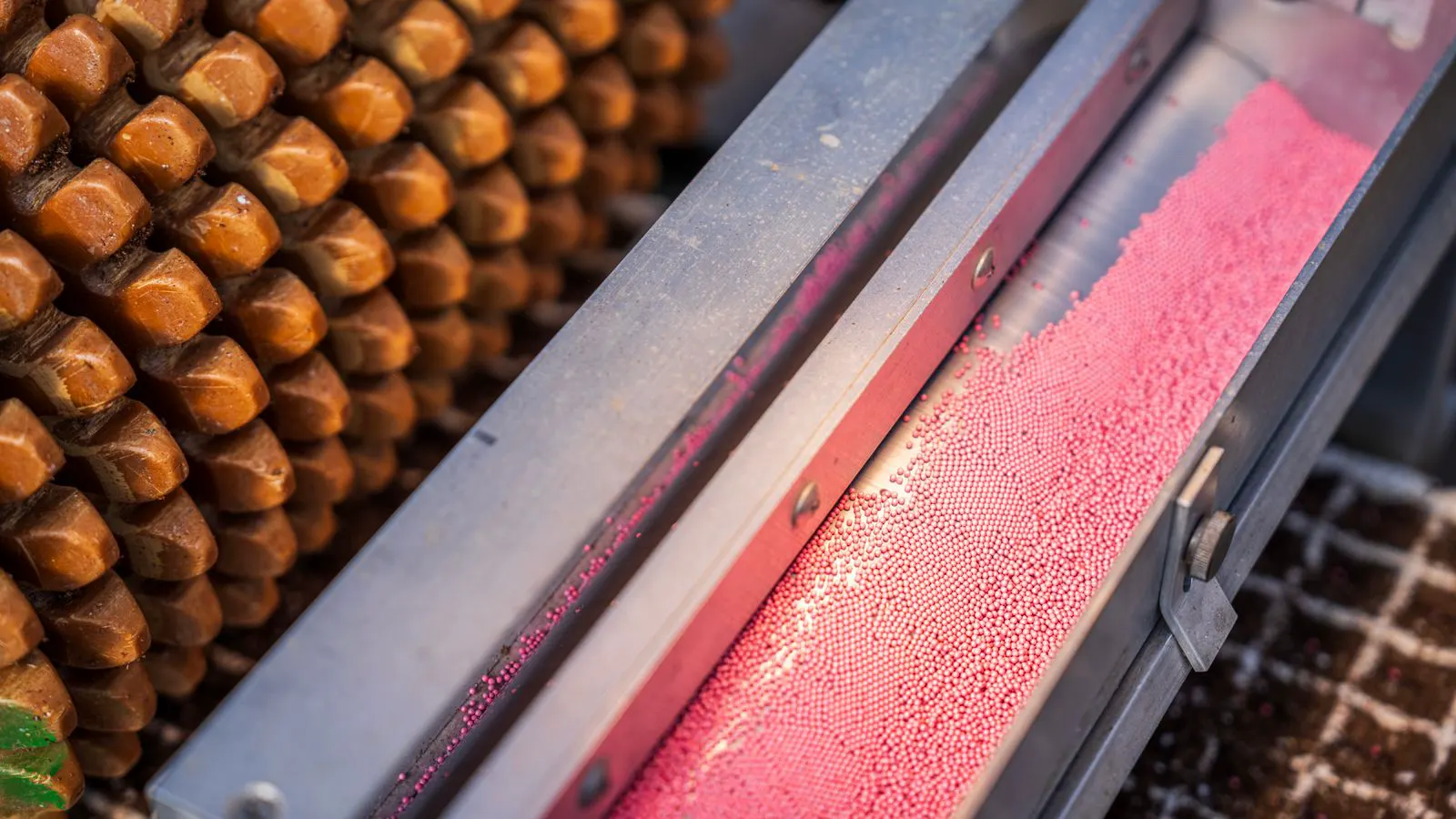
The output of the granulator becomes the input for the dryer and pelletizer. Inconsistent granule sizes lead to uneven drying times. Larger pieces may remain damp, while smaller pieces may over-dry. This variability can cause issues in the extruder, leading to poor pellet quality or machine damage.
A well-selected granulator produces a consistent size distribution. This consistency allows the dryer to operate at a steady state and the pelletizer to produce uniform pellets. When evaluating granulator selection, buyers should ask for sample outputs from similar waste streams. Viewing the actual granules helps in understanding the machine’s performance beyond technical specifications.
What auxiliary equipment should be considered?
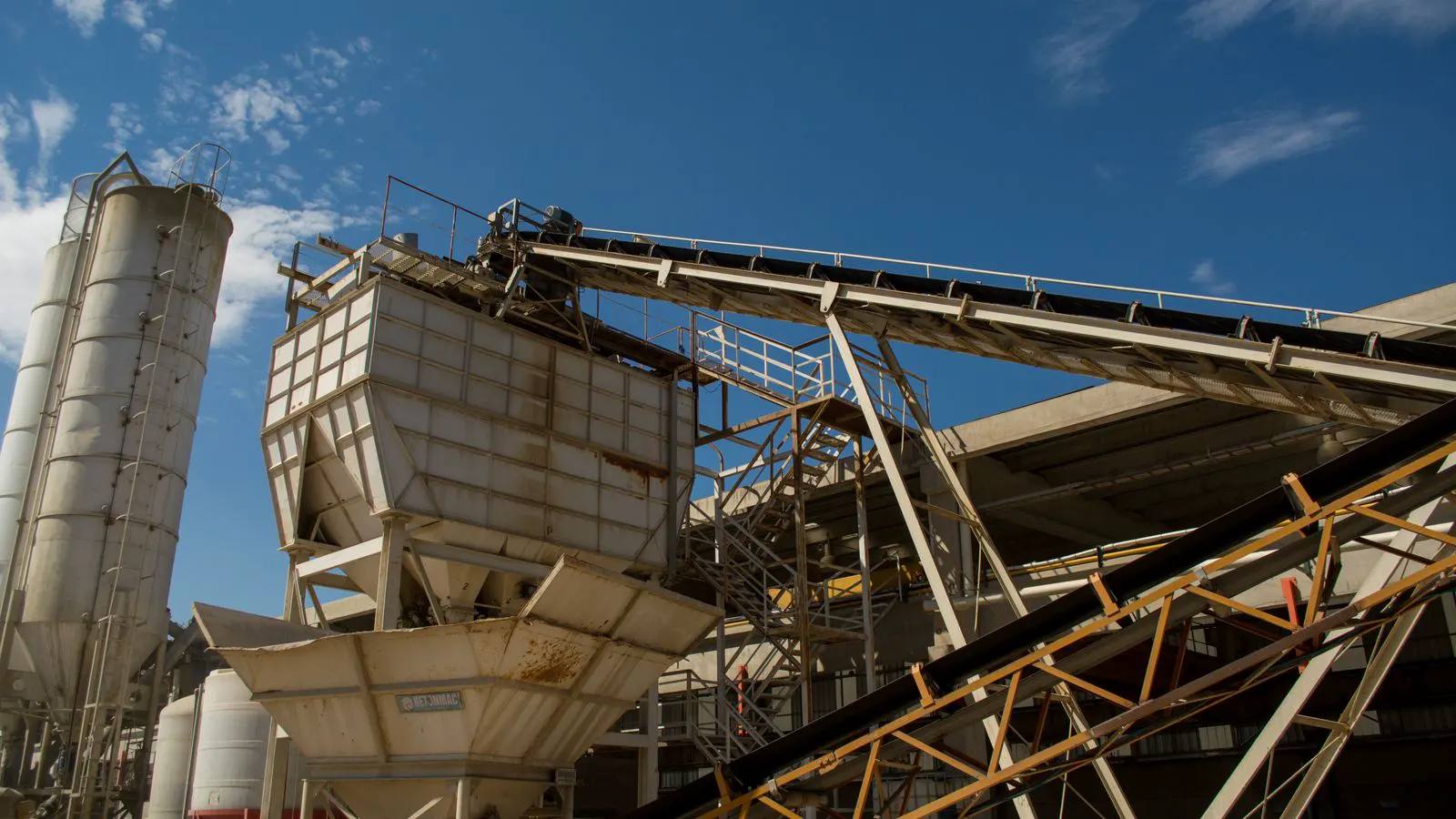
The granulator is rarely a standalone unit. It requires auxiliary equipment to function efficiently. Feed hoppers must be large enough to handle bulk waste without spilling. They should also have mechanisms to prevent large objects from bypassing the cutting area. Safety guards are essential to protect operators from flying debris and ensure compliance with safety standards.
Conveyors are another key component. They transport the waste from the sorting area to the granulator. The type of conveyor depends on the material; magnetic conveyors can help separate metal contaminants. Additionally, noise reduction enclosures may be required if the facility is in a sensitive area. Ignoring these auxiliary components can lead to operational inefficiencies and safety risks.
How to evaluate maintenance and spare parts
Long-term cost is a major factor in granulator selection. Cutting tools wear down over time and require replacement. The availability of spare parts and the ease of replacement determine the downtime. A granulator with a complex tool change process may require specialized technicians, increasing costs and stopping production for longer periods.
Maintenance access is also critical. If the machine is difficult to clean or inspect, operators may skip regular checks, leading to premature wear. Buyers should look for granulators with modular designs that allow for quick access to critical components. The lifespan of the machine is often determined by how well it is maintained, so the design should support easy cleaning and inspection.
Worked example: Selecting for a mixed waste stream
Imagine a facility processing a mix of 60% rigid HDPE and 40% flexible LDPE film. The target granule size is medium, intended for a standard pelletizing line.
First, the team analyzes the waste. The rigid HDPE requires high torque to cut, while the LDPE film needs a design that prevents wrapping. A standard single-shaft granulator with adjustable cutter spacing might be chosen. The cutter diameter is set to handle the largest rigid pieces without requiring excessive motor power.
Next, the team evaluates the feed hopper. A wide-mouth hopper is selected to accommodate both bulky bottles and loose film. A pre-shredding stage is added to break down the film into manageable strips before it enters the main granulator. This prevents tangling and improves consistency.
Finally, the team checks the output. The granules are inspected for size uniformity. The dryer settings are adjusted to match the new granule size. By aligning the granulator selection with the specific waste mix and downstream needs, the facility achieves stable operation and higher quality pellets.
Common pitfalls to avoid in granulator selection
One common mistake is selecting a granulator based solely on throughput capacity. While high throughput is desirable, it may not be achievable with a mixed waste stream. Over-specifying the machine can lead to higher capital costs without proportional benefits.
Another pitfall is ignoring the sorting quality. If the waste contains metal or wood, the granulator will suffer excessive wear. Investing in better sorting upstream can extend the life of the granulator and reduce maintenance costs.
Lastly, buyers often overlook the electrical requirements. Large granulators may require high-voltage connections. If the facility’s power infrastructure is not upgraded, the machine may not operate safely or efficiently. A site-specific assessment should always be part of the selection process.
Conclusion
Granulator selection for post-consumer waste requires a detailed understanding of the input material and the downstream process. By analyzing the waste mix, defining shredder sizing parameters, and evaluating auxiliary equipment, procurement managers can choose a granulator that delivers consistent, high-quality output. The right selection ensures stable operation, reduces downtime, and maximizes the value of recycled plastics.
Frequently asked questions
What is the primary difference between a granulator and a shredder?
In this context, terms are often used interchangeably. A granulator typically implies a finer cut suitable for pelletizing, while a shredder may produce larger flakes.
How does mixed waste affect granulator selection?
Mixed waste requires a machine with robust cutting tools and adjustable settings to handle varying densities and shapes without jamming.
Can any granulator be used for post-consumer waste?
No, specific configurations are needed to handle contaminants and varying plastic types found in post-consumer streams.
What is the role of shredder sizing in output quality?
Proper sizing ensures the cut is uniform, which is essential for consistent drying and pelletizing downstream.
How important is maintenance access in granulator selection?
It is critical for reducing downtime. Easy access to cutting tools and cleaning mechanisms prolongs machine life and improves efficiency.