Blow Molding Cooler: Key Specs for Buyers
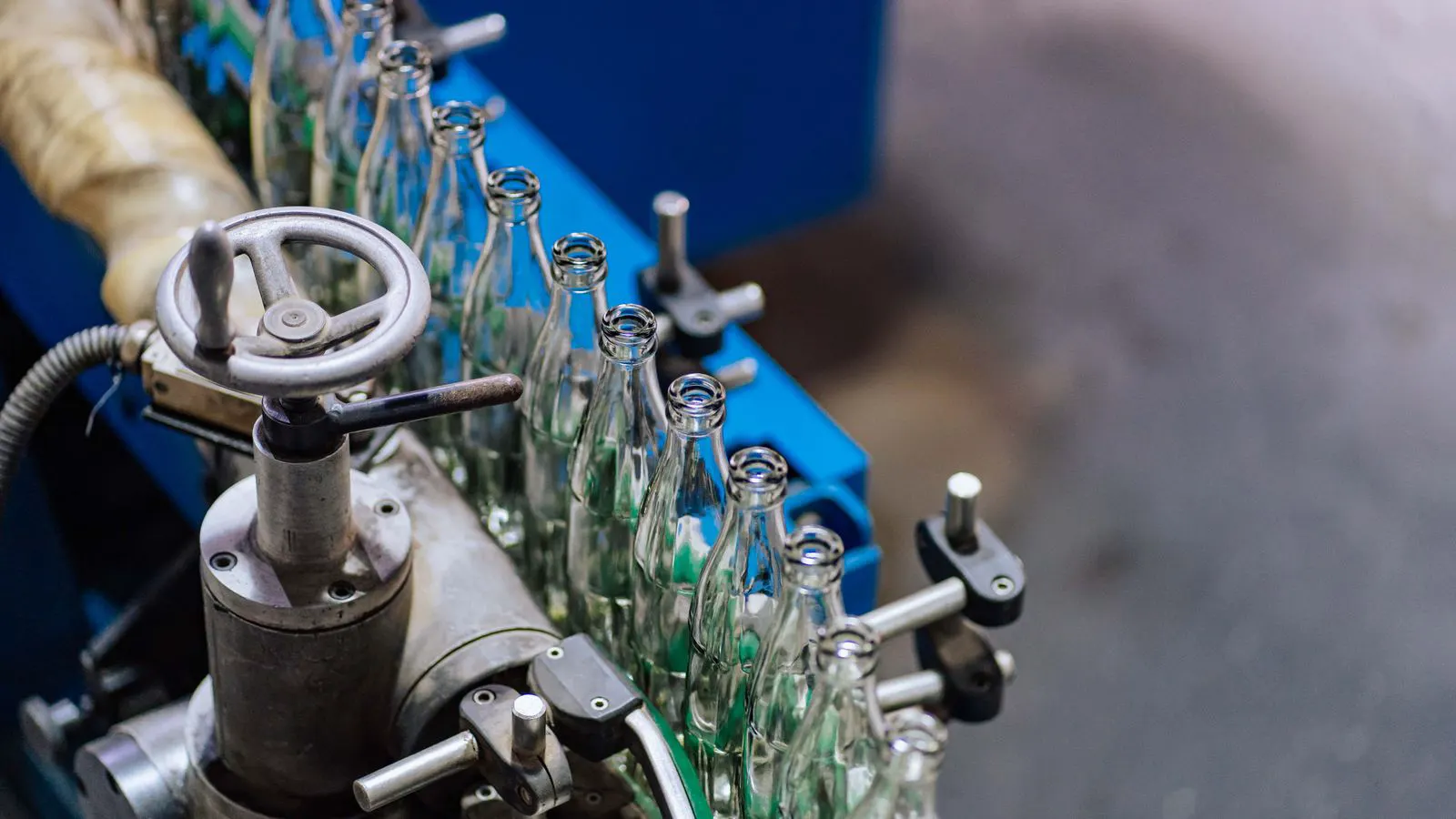
Buyers must match blow molding cooler airflow, temperature control, and physical dimensions to their specific bottle or container geometry. Evaluate fan power, duct design, and material compatibility. Review the criteria table below to select equipment that prevents warping and maintains cycle time.
- Match cooler capacity to the specific shape and wall thickness of your production part.
- Verify fan motor ratings and duct geometry to ensure uniform air distribution across the mold surface.
- Check material compatibility with your production environment and chemical exposure levels.
- Review noise levels and maintenance access before finalizing the purchase decision.
Why Cooler Selection Drives Part Quality
A blow molding cooler sits between the heated mold and the finished part. It removes heat from the plastic as it cools down after the molding cycle. If the airflow is uneven, the part shrinks unevenly. Uneven shrinkage causes warping, visible lines, or a part that does not meet dimensional tolerances.
Many operators treat the cooler as a simple accessory. This approach causes problems. The cooler interacts directly with the mold temperature profile. It also affects the time the mold stays occupied by the part. A poorly chosen cooler can force you to reduce production speed to fix quality issues.
When evaluating a cooler, you must look beyond basic size. The buyer needs to understand how the airflow interacts with the specific geometry of the product. A cooler that works for a cylindrical bottle may fail on a complex container with deep ribs or a thin neck. The specifications in this guide help you match the equipment to your actual production needs.
Airflow Capacity and Distribution
The primary function of the cooler is to move air across the mold surface. You need to evaluate the total volume of air moved, often measured in cubic feet per minute or cubic meters per minute. The number alone is not enough. You must look at how that air is distributed.
Fans with high static pressure push air through narrow ducts or around tight mold features. Fans with high volume but low static pressure struggle with restricted airflow paths. For a standard bottle mold, volume may be the primary concern. For a complex container, static pressure matters more because the air must navigate around internal ribs and external features.
Check the duct design. A system with a single large fan and long, straight ducts may deliver high volume but uneven coverage. A system with multiple smaller fans and shorter duct branches often provides more uniform coverage. Uneven coverage creates hot spots on the mold. These hot spots slow down the cooling cycle locally. The part cools faster in other areas. The result is stress and distortion.
Ask the supplier for the airflow diagram at the fan outlet. Do not rely on a single number. Look at the distribution curve. You want a flat profile where possible. This ensures the air reaches all parts of the mold surface at a similar velocity. If the diagram shows a drop-off at the edges, you will see quality issues on those specific areas of the part.
Temperature Control and Sensing
Airflow cools the mold, but you need control over that cooling process. Many blow molding coolers include a temperature sensor and a control unit. Some are simple on-off systems. Others use proportional control.
Proportional control adjusts the fan speed or damper position to maintain a target temperature. This is more stable than on-off control. On-off systems cycle the fan between full speed and zero. This creates temperature swings on the mold surface. Proportional systems keep the air moving at a steady rate. The mold temperature stays closer to the set point.
The sensor location matters. A sensor placed at the fan inlet measures the air temperature. A sensor placed on the mold surface measures the actual temperature. You want surface sensing for accurate feedback. The controller needs to know the temperature of the part being cooled, not the temperature of the room air.
Check the control range. Some controllers only handle a narrow band. If your production environment varies significantly, or if you switch between different materials with different cooling requirements, you need a wider control range. Look for a controller that allows you to set limits and alarms. This protects the mold from overheating if a fan fails or a duct becomes blocked.
Physical Dimensions and Integration
The cooler must fit in your existing space. Measure the area around your blow molding machine. You need room for the fan unit, the ducting, and the control panel. You also need room for maintenance. A technician cannot service a fan if they cannot reach it.
Consider the mounting method. Some coolers bolt directly to the machine frame. Others mount on a separate frame. A separate frame may be easier to install but takes up more floor space. It also adds vibration isolation, which can be useful if your machine runs at high speeds.
Weight is another factor. A heavy cooler can stress the machine frame if it is mounted poorly. Check the mounting points. They should be robust and located over the machine’s structural supports. Do not mount the cooler to a thin sheet metal panel. The vibration from the fan and the machine will loosen the bolts over time.
Cable management is often overlooked. A cooler with a long power cord and a control cable creates a trip hazard. It also creates a snag risk. Look for a unit with integrated cable routing or short, manageable cable lengths. If you need to route cables across the floor, plan for a cable tray or a raceway. This keeps the area clean and safe.
Material Compatibility and Durability
The cooler will sit in a plastic production environment. It will see dust, plastic vapor, and possibly cleaning chemicals. The materials it is made from must withstand these conditions.
The fan housing is usually made of steel or aluminum. Steel is heavier but very rigid. Aluminum is lighter and resists corrosion well. If you are producing food-grade products or using chemicals that produce corrosive vapors, choose aluminum or stainless steel. Steel can rust if the coating is damaged. Rust is a hygiene issue and a structural weakness.
The ducting material is critical. Plastic ducts are light but can crack under stress. Metal ducts are rigid but can vibrate. You want a material that does not release chemicals into the air. If you are producing pharmaceutical containers or food bottles, the duct material should be inert. It should not off-gas.
Check the fan blades. They should be made from a durable material that does not warp from heat or moisture. A warped blade creates imbalance. An imbalanced fan vibrates. Vibration transfers to the ducting and the machine. This causes noise and wear on the bearings.
Noise and Environmental Impact
Cooler fans generate noise. In a modern factory, noise is a compliance issue and a worker comfort issue. Check the decibel rating at a standard distance, usually one meter from the unit. If your factory has a noise limit, you may need a quieter unit.
Some fans are designed to run at lower speeds for longer periods. This reduces noise. Others use variable frequency drives to adjust speed based on demand. A variable frequency drive can lower the fan speed when the mold is already cool. This saves energy and reduces noise during the cooling phase.
Energy consumption is a growing concern. A large fan running at full speed constantly draws power. Look for a motor with a high efficiency rating. Ask about the power draw at full speed and at partial load. If the cooler runs 24 hours a day, the energy cost adds up.
Maintenance and Serviceability
A cooler is a mechanical device. It will need maintenance. The most common failure points are the fan bearings and the electrical connections. Bearings wear down with use. Electrical connections can overheat.
Choose a design with accessible bearings. Some fans have sealed bearings that must be replaced as a unit. Others have open bearings that can be greased. Sealed bearings are easier to maintain but cost more when they fail. Open bearings are cheaper to replace but require more frequent greasing.
Look for a design where you can remove the fan shroud without disassembling the whole unit. This allows you to clean the fan blades and the housing. Dust buildup reduces airflow and increases fan load. A cleaner fan runs cooler and lasts longer.
Check the service interval. The supplier should provide a maintenance schedule. This includes when to check the belts, if any, when to clean the filters, and when to inspect the electrical connections. A clear schedule helps you plan downtime. It also ensures the cooler performs consistently over time.
Key Specs Comparison Table
The table below summarizes the main criteria for evaluating a blow molding cooler. Use this as a reference when talking to suppliers.
| Criterion | What to look for | Why it matters |
|---|---|---|
| Airflow Volume | Total cubic feet per minute or meters per minute | Determines how fast the mold cools and sets the cycle time |
| Static Pressure | Fan pressure rating in inches of water or pascals | Ensures air reaches tight mold features and internal ribs |
| Airflow Distribution | Uniformity of air velocity across the duct outlet | Prevents hot spots and uneven shrinkage on the part |
| Temperature Control | Proportional control with surface sensing | Maintains a stable mold temperature and prevents thermal stress |
| Material Compatibility | Aluminum, stainless steel, or inert plastics | Withstands chemical exposure and meets hygiene requirements |
| Noise Level | Decibels at one meter distance | Complies with factory noise limits and improves worker comfort |
Decision Checklist
Before you sign the purchase order, run through this checklist.
- Verify the part geometry. Bring a sample of the part you are molding. Show it to the cooler supplier. Ask them to confirm the airflow will cover all surfaces.
- Check the machine space. Measure the area around the machine. Confirm the cooler fits and allows for maintenance access.
- Review the control system. Ask for details on the temperature sensor and controller. Ensure it has proportional control and surface sensing.
- Confirm material compatibility. List the chemicals and cleaning agents used in your facility. Ensure the cooler materials are compatible.
- Ask about noise and energy. Get the decibel rating and the power draw. Compare these numbers to your factory requirements.
- Request the service plan. Ask for the maintenance schedule and the cost of common spare parts.
- Check the lead time. Confirm the delivery date. A cooler that arrives late can delay your entire production line.
The cooler is a critical part of your auxiliary equipment setup. It does not make the plastic, but it determines how the plastic cools. The specifications you choose now will affect your part quality, your cycle time, and your maintenance costs for years. Take the time to evaluate the airflow, the control, and the physical fit. The right cooler will run quietly and consistently. The wrong one will cause problems that are hard to fix.
Frequently asked questions
Can I use a standard cooler for different bottle shapes?
A standard cooler may work for simple shapes, but complex shapes with ribs or thin walls often require a custom airflow design. The distribution must match the geometry to prevent uneven cooling.
How often do I need to clean the cooler?
Cleaning frequency depends on your environment and the dust level. In a clean environment, monthly cleaning may suffice. In a dusty or chemical-heavy environment, you may need to clean it weekly.
What is the difference between a blower and a cooler?
A blower is the fan unit that moves air. A cooler is the complete system, including the ducting, the sensor, and the controller. A blower without a control system will not regulate the cooling process.
Do I need a variable frequency drive?
A variable frequency drive is useful if you need to adjust the fan speed based on load or if noise is a major concern. It can save energy by running the fan at a lower speed when full power is not needed.
How do I know if my current cooler is failing?
Watch for uneven part quality, increased cycle times, or a rise in fan noise. If the parts are warping more than before, the airflow distribution is likely uneven or the fan is losing power.