Fixing High Power Draw in Injection Molding Machines

High power draw in injection molding usually stems from worn hydraulic seals, misaligned clamping, inefficient cooling, or outdated controls. This guide lists common symptoms, likely causes, and fixes to restore machine efficiency and cut energy costs.
- High power draw is usually caused by worn hydraulic seals, poor cooling, or misadjusted clamping force rather than a single broken component.
- Check hydraulic oil temperature, cylinder pressure, and machine cycle time first, as these reveal most efficiency losses.
- A documented maintenance log and sensor calibration routine prevent recurring high power draw issues.
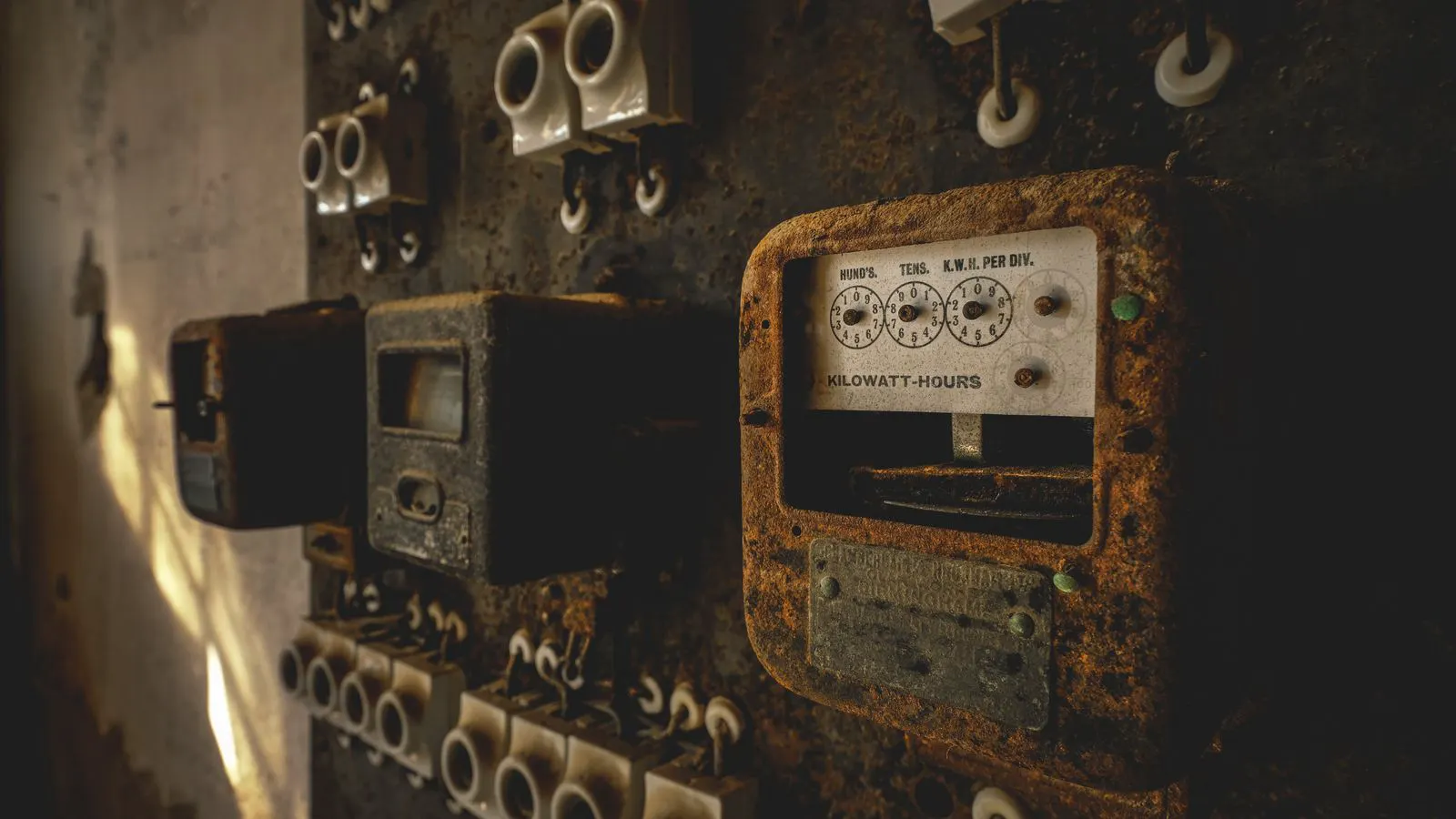
Why does the meter show higher energy than expected
A plant manager notices the utility bill jumping. The injection molding line runs at normal speed, but the kW reading sits higher than the baseline recorded when the machine was commissioned. This is where energy troubleshooting begins.
The problem is rarely the motor itself. More often it is friction in the hydraulic system, heat loss in the cooling loop, or a control loop that keeps the pump at high pressure when lower force would do the job. Each of these adds load to the main drive.
This guide walks through the symptoms, the likely causes, and the fixes that restore normal efficiency.
What symptoms point to high power draw
Before opening panels or calling a technician, watch the machine for a full shift. The controller screen, the hydraulic gauge, and the cooling water temperature all give clues.
A slow rise in power during a shift often means the hydraulic oil is heating up. The pump works harder as viscosity drops and seals wear. The machine may still fill the mold, but the motor current climbs.
A sudden spike at a specific point in the cycle, such as during clamping or injection, points to a mechanical obstruction. The mold may be binding, or a guide post may be out of alignment. The machine fights the resistance instead of moving the platen smoothly.
If the power is high but the cycle time is also long, the controls may be set too aggressively. The machine is waiting for pressure or temperature that takes extra time to reach. The result is a long idle period with high draw.
How to check the hydraulic system first
The hydraulic pump is the largest energy consumer after the main servo drive. If the pump is working against worn seals or a dirty filter, power draw climbs.
Check the hydraulic oil temperature. A healthy system usually stays within a narrow band set by the machine manufacturer. If the oil runs hot, the pump is losing pressure internally. The oil may be degraded, or the relief valve may be leaking internally.
Look at the cylinder pressure gauge. If the pressure rises during the hold phase but the part is not gaining dimensional stability, the seal is weeping. The pump compensates by running harder.
Replace the hydraulic filter if it has not changed in six months or less. A clogged filter increases back pressure on the pump. The pump works against a restriction it was not designed to handle.
Check the accumulator precharge. A weak accumulator makes the pump cycle more often. The pump starts and stops, and each start draws a surge of current. The net result is higher average power.
How cooling system losses add to the draw
The mold temperature controller and the cooling water loop are easy to overlook. If the cooling water is too warm, the mold stays hot. The machine waits longer for the next cycle to start. The heater plates and the hydraulic pump both run longer than needed.
Check the cooling water inlet and outlet temperature. A healthy loop shows a modest temperature rise. If the rise is large, the cooling water is carrying away more heat than intended. The condenser may be fouled, or the water flow may be reduced.
Clean the condenser fins if they are dusty. Dust blocks airflow across the coils. The chiller or cooling tower works harder to pull heat out of the water. The compressor in the cooling system draws more power, which shows up on the plant meter.
Verify that the mold temperature controller is set to the correct profile. A profile that holds the mold at a high temperature longer than needed increases heater load. The machine may not need 200 degrees for the last five seconds of the cycle.
How to check the clamping and injection settings
The clamping force is set to hold the mold closed. If it is set higher than the part requires, the hydraulic cylinder works harder. The seal wears faster. The pump draws more power.
Measure the part weight. If the part is consistent, the clamping force can be reduced. Start with the manufacturer recommendation for the mold area and the material viscosity. Then step down in small increments. Run a test batch. Check for flash. If flash is absent, the force was too high.
Check the injection pressure. High pressure can be a symptom of a worn nozzle or a restricted gate. The machine pushes harder to force the melt through. The pump and servo drive both work harder.
Inspect the nozzle and the sprue. A partially clogged nozzle creates back pressure. The injection stroke slows. The machine spends more time pushing melt into the mold. The power draw stays high for a longer duration.
How to use the maintenance log and sensor data
A machine with a good maintenance log tells you when the problem started. If the power draw crept up over three months, the cause is likely wear. If it jumped overnight, the cause is likely a setting change or a part failure.
Check the seal replacement date. Hydraulic seals degrade with heat and pressure. A seal that leaks at 10 percent pressure loss can double the pump load. Replace seals on schedule, not after a leak is visible.
Check the servo drive calibration. A misconfigured servo drive may apply more force than needed. The drive may be set to a high gain that causes oscillation. The motor works against the oscillation. The current rises.
Review the controller alarms. A repeated alarm for low hydraulic pressure or high oil temperature is a clue. The alarm may have been acknowledged and forgotten. The condition continues. The power draw stays high.
How to prevent high power draw in the future
Prevention is cheaper than repair. A machine that is maintained on schedule uses less energy over its life. The cost of a hydraulic seal kit is small compared to the energy bill over a month.
Set a maintenance interval for the hydraulic filter, the oil, and the seals. Write it on the machine. Put it in the plant calendar. A missed interval is the most common cause of slow efficiency loss.
Calibrate the pressure and temperature sensors annually. A sensor that reads 15 degrees high tells the controller to run the heater longer. A sensor that reads 5 bar low tells the pump to work harder. Both add power draw.
Train operators to check the cycle time each shift. A two percent increase in cycle time is small. Over a year, it adds up to a large energy cost. The operator should log the time and report it to maintenance.
Use the machine efficiency baseline. Record the kW per part at the start of the year. Compare it monthly. If the number rises, start the troubleshooting steps above. Do not wait for the utility bill to show the change.
How to choose the right fix for your machine
Some machines respond to a seal replacement. Others need a cooling loop upgrade. The right fix depends on the symptom and the machine age.
A machine with a weak accumulator may need a precharge valve replaced. A machine with a fouled condenser may need a water treatment program. A machine with a misconfigured servo drive may need a firmware update or a parameter reset.
Do not replace the pump without checking the seals and the filter. The pump may be fine. The system around it may be the problem. Replace the pump only after the other checks are done.
Do not increase the clamping force to solve a flash problem. Flash is often a mold issue. A tighter clamp hides the problem and wears the seals. Fix the mold. Lower the force.
How to document the energy improvement
After the fix, record the new baseline. Note the date, the kW per part, and the cycle time. Store the data in the maintenance log. The next technician who visits the machine will have a reference point.
If the power draw returns, the log shows the pattern. Was it the same symptom? The same part of the cycle? The same season? The pattern helps isolate the cause faster.
A documented energy improvement is also useful for the plant energy audit. The audit checklist for plastic plants often asks for before and after numbers. You have them. The audit becomes shorter. The upgrade decision becomes easier.
How to know if the machine is beyond repair
A machine that has been in service for a long time may have multiple worn components at once. The hydraulic seals are gone. The cooling loop is fouled. The servo drive is out of calibration. The clamping plates are worn.
In that case, the fix is not a single part. It is a full overhaul or a replacement. The cost of the overhaul may approach the cost of a new machine. The new machine will have a lower baseline power draw.
Check the cost and lead time for energy upgrades before deciding. A new servo drive system may reduce energy by a large amount. A new hydraulic pack may reduce it by a smaller amount. The decision depends on the machine age and the production volume.
Do not ignore a machine that uses too much power. The energy cost adds up. The wear adds up. The downtime adds up. Fix the issue when you see it.
How to start the energy audit for this machine
Start with the utility meter. Record the kWh per hour for a full shift. Compare it to the baseline. If the difference is more than a few percent, start the checks above.
Check the hydraulic temperature. Check the cooling water. Check the clamping force. Check the injection pressure. Check the cycle time.
Write down what you find. Write down what you change. Write down the new kW per part. The audit is complete when the machine runs at its baseline again.
The energy audit checklist for plastic plants is a good reference. It lists the same checks in a different order. Use it as a second opinion. The goal is the same. The machine should use the energy it was designed to use.
A high power draw is a signal. It is not a failure. It is a request for attention. The attention is usually small. A seal. A filter. A sensor. A setting. The result is a lower energy bill and a longer machine life.
Fix the issue. Record the fix. Move on.
Frequently asked questions
How often should I check the hydraulic oil temperature?
Check it daily during production. The temperature should stay within the range set by the machine manufacturer. A rise above that range is a warning sign.
Can a clogged hydraulic filter cause high power draw?
Yes. A clogged filter increases back pressure on the pump. The pump works harder to maintain pressure. The motor current rises.
How do I know if the clamping force is too high?
Run a test batch with flash. If flash is absent, the force may be too high. Reduce the force in small steps and retest.
Is a new pump the right fix for high power draw?
No. Check the seals, the filter, and the accumulator first. The pump is often fine. The system around it is the problem.
How do I record the energy improvement after the fix?
Note the date, the kW per part, and the cycle time in the maintenance log. Compare it to the baseline recorded at commissioning.