Cost and Lead Time for Energy Upgrades
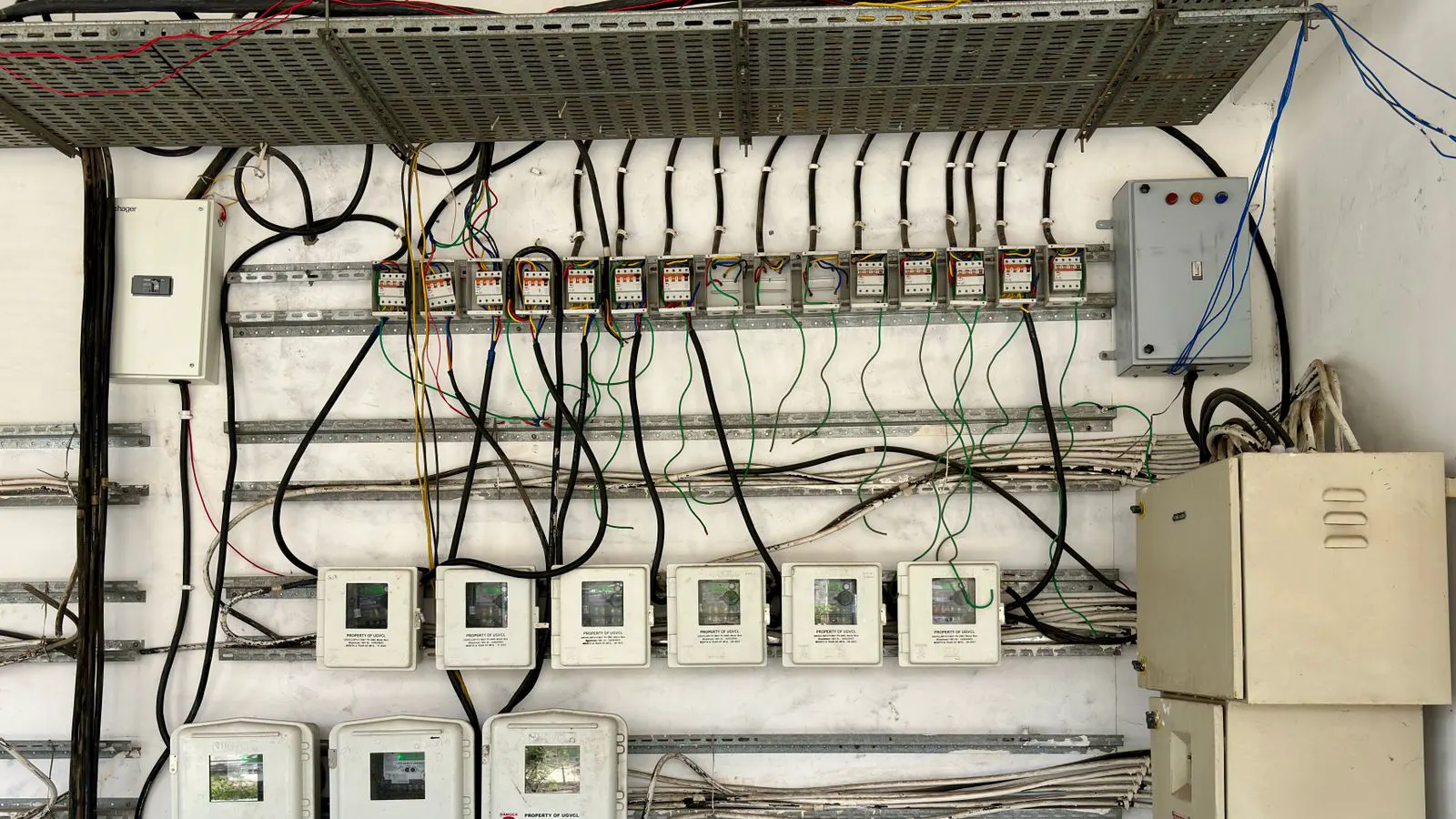
Energy upgrade costs vary by machine type, scope, and vendor. Lead times often depend on parts availability and installation windows. A clear RFQ and fair quote comparison help buyers predict ROI and avoid delays during production downtime.
- Upgrade pricing is driven by machine age, control system compatibility, and the specific energy-saving measure selected.
- Lead times extend when custom drives, sensors, or major electrical work require vendor fabrication or site coordination.
- A well-structured RFQ with baseline energy data improves quote accuracy and makes ROI comparison straightforward.
- Installation scheduling often matters as much as the purchase price, especially for production lines with minimal downtime.
- ROI should be calculated using actual kWh data, labor savings, and maintenance benefits, not just hardware cost.
What Drives the Cost of Energy Upgrades
The price of reducing energy costs on existing plastic machinery depends on several variables that buyers often underestimate. The baseline is usually the machine’s current condition. A well-maintained injection molding machine with modern drives may only need firmware updates or minor sensor additions. A machine from two decades ago may require full drive replacement, new motor sizing, or even rewiring. The age of the wiring harness, the condition of the electrical panel, and the state of the PLC program all influence how much work must be done. If the control cabinet is crowded and the lugs are corroded, labor hours increase significantly.
The scope of the work matters more than the machine size. A small modification, such as adding a thermal recovery system to an extruder line, can be relatively straightforward. A larger project, like replacing hydraulic pumps with electric drives across a multi-machine line, involves more engineering, more parts, and more coordination. When multiple machines share a common control system, changes to one unit often require updates to the others. This ripple effect can turn a single-machine project into a line-wide intervention.
Control system compatibility is another major cost driver. If the existing PLC cannot communicate with new drives or energy monitoring modules, the upgrade may require a new controller, new I/O modules, and updated HMI screens. That scope change can multiply the project cost. For example, a plant running an older PLC with proprietary communication protocols may need to install a gateway or replace the controller entirely to support a new variable frequency drive. The cost of the new drive is only part of the equation. The cost of the integration, the programming, and the testing often exceeds the hardware price.
Vendor availability also affects price. Some upgrades are off-the-shelf, meaning the vendor can quote quickly and deliver from stock. Others are custom-engineered, which adds engineering time and reduces price predictability. Custom drives and specialized sensors often have longer production cycles. If the machine requires a non-standard motor size or a specific communication protocol, the vendor may need to fabricate or order components that are not in inventory. This delays the project and can raise the final price due to expedited shipping or added engineering fees.
How Long Do Lead Times Take
Lead time is often the bigger pain point in energy upgrades. Hardware delivery is only one part of the timeline. Installation windows are constrained by production schedules, and many plants can only shut down for a few days per quarter. A typical timeline for a single-machine upgrade might involve one to three weeks for parts delivery, plus one to two weeks for installation and commissioning. For a larger line project, the timeline can stretch to several months. The bottleneck is rarely the machine parts. It is usually the electrical work, the control integration, and the testing.
Custom drives and specialized sensors often have longer production cycles. If the machine requires a non-standard motor size or a specific communication protocol, the vendor may need to fabricate or order components that are not in inventory. Installation complexity adds to the lead time. A machine in a tight bay with limited access to electrical panels may require more labor hours. A line that requires temporary power or re-routed cabling adds even more time.
Planning for the lead time requires coordination with the production team. If the upgrade is scheduled during a peak season, the plant may need to adjust its production mix to accommodate the downtime. This can affect overall output and revenue. The project manager should build in a buffer for unexpected delays, such as missing parts or software issues.
How to Write a Clear RFQ
A vague request for a “energy upgrade” produces vague quotes. A clear RFQ gives vendors enough information to price the work accurately and to identify gaps before they become surprises. The RFQ should include the machine make and model, the age of the machine, and the current control system. If the plant has energy data, include it. Even a rough average kWh per hour, or kWh per ton of output, helps vendors size the upgrade correctly.
State the objective. Is the goal to lower idle energy use? Is it to reduce motor heat? Is it to cut hydraulic losses? Each objective points to different solutions, and the pricing differs accordingly. For example, a plant looking to reduce idle energy on an injection molding machine may need a variable frequency drive on the main motor. A plant looking to reduce hydraulic losses may need a new pump control system. The solutions are different, and the costs reflect that.
Specify the downtime window. If the plant can only shut down for 48 hours, that constraint changes the approach. It may require pre-fabricated assemblies, pre-programmed drives, or a phased installation. The RFQ should also include the electrical specifications of the site, such as voltage, phase, and available panel space. This helps the vendor identify any additional work needed, such as panel upgrades or new cable runs.
Ask for a breakdown of costs. A single lump sum makes comparison difficult. A quote that separates parts, labor, controls, electrical work, and commissioning is far more useful. The breakdown should also include the warranty terms and the estimated lead time. This allows the buyer to compare quotes on a like-for-like basis and to identify any hidden costs.
How to Compare Quotes Fairly
Vendors may quote the same upgrade in different ways. One may include installation and commissioning. Another may sell the hardware only. Comparing those quotes directly leads to errors. Normalize the quotes to a common scope. If one quote includes drive replacement but not the control integration, add that work to the comparison. If another quote includes a full energy monitoring system and the first does not, adjust the scope or ask for an add-on price.
Look at total cost of ownership, not just purchase price. A cheaper upgrade that requires more maintenance, or one that has a shorter warranty, may cost more over time. Include spare parts, extended service, and potential downtime in the comparison. For example, a drive with a longer warranty and a better service network may be more expensive upfront but may save money in the long run.
Delivery time should be part of the comparison. A quote that is cheaper but has a six-month lead time may be less useful than a slightly higher quote with a six-week delivery window. Production value is not free, and delayed upgrades can push back the ROI. The buyer should weigh the cost savings against the value of the energy savings. If the energy savings are significant, a shorter lead time may justify a higher price.
Cost Drivers Table
| Cost Driver | What It Affects | Typical Impact |
|---|---|---|
| Machine age and condition | Parts availability, integration complexity | Older machines often need more controls work |
| Scope of upgrade | Number of components and labor hours | Larger scope means higher cost and longer timeline |
| Control system compatibility | Need for new PLC, HMI, or I/O modules | Can add significant engineering and parts cost |
| Downtime window | Installation method and scheduling | Tight windows may require pre-fabricated work |
| Vendor customization | Lead time and pricing flexibility | Custom parts extend delivery and can raise price |
| Energy data quality | Accuracy of sizing and ROI estimate | Poor data can lead to over- or under-sizing |
How to Estimate ROI
ROI calculation for energy upgrades should start with actual energy data, not assumptions. If the plant does not have metering data, install temporary meters or pull data from the facility management system for at least a representative period. The baseline should reflect normal production conditions, not an abnormal week. Include idle time, warm-up cycles, and typical batch or continuous operation. If the machine runs 24 hours a day, the energy savings multiply across the year. If it runs intermittently, the savings are lower.
Subtract the upgrade cost from the annual savings. Include labor savings if the upgrade reduces manual adjustments, and include maintenance savings if the upgrade reduces wear on pumps, motors, or heaters. For example, a variable frequency drive on a main motor can reduce heat generation, which extends the life of the bearings and the motor windings. This can reduce the frequency of maintenance and the cost of spare parts.
The payback period is the upgrade cost divided by the annual net savings. A shorter payback period makes the business case easier to approve. It also reduces the risk if energy prices or production volumes change during the project. The buyer should also consider the non-financial benefits of the upgrade, such as improved machine reliability, reduced noise, and better environmental performance. These benefits can help justify the investment, even if the payback period is longer than expected.
Common Mistakes to Avoid
Buying the most expensive upgrade without a clear scope is the first mistake. It leads to overspending on features that do not match the plant’s actual energy profile. A plant should focus on the upgrades that offer the best return on investment, based on the actual energy data and production needs.
Assuming a generic lead time is the second mistake. Every machine and site is different. A quote that does not include a realistic installation timeline will cause scheduling problems later. The buyer should ask the vendor for a detailed project schedule, including the lead time for parts, the installation window, and the commissioning phase.
Ignoring the control system is the third mistake. Many energy upgrades are blocked by communication issues between the new drive and the existing PLC. This is often discovered during commissioning, after the hardware has already been delivered. The buyer should review the control system compatibility with the vendor before finalizing the quote.
Skipping the energy data review is the fourth mistake. Without a solid baseline, the ROI estimate is weak. The business case becomes harder to defend when savings are lower than expected. The buyer should collect at least one month of energy data, covering both peak and off-peak periods, to ensure the baseline is accurate.
Not planning for commissioning is the fifth mistake. Commissioning takes time and skilled labor. If the project schedule does not include a full testing phase, the upgrade may go live before it is properly validated. The buyer should include a commissioning phase in the project schedule, with a clear plan for testing and validation.
Frequently asked questions
How do I know if my machine is worth an energy upgrade?
Check the machine age, current energy use, and downtime tolerance. Older machines with high idle energy or poor control systems are usually better candidates.
What is the most common delay in energy upgrade projects?
Control integration and electrical work are the most frequent bottlenecks. Parts delivery is usually faster than the site work.
Can I get an accurate quote without energy data?
Not fully. Vendors can give a rough estimate, but a reliable quote requires baseline energy numbers and machine specifications.
Does the upgrade cost include installation?
It depends on the vendor. Always ask for a scope breakdown so you know what is included in the price and what is extra.
How long does it take to see ROI after the upgrade?
It varies by scope and energy savings. Calculate the payback period using actual kWh data and net annual savings, not a generic estimate.